Agra travel guides & articles
All 20 in-depth pieces we’ve published on Agra — newest first.
Tours & tickets
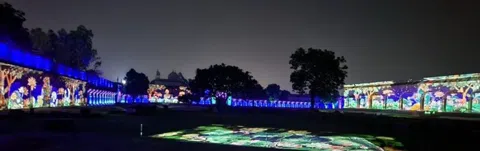
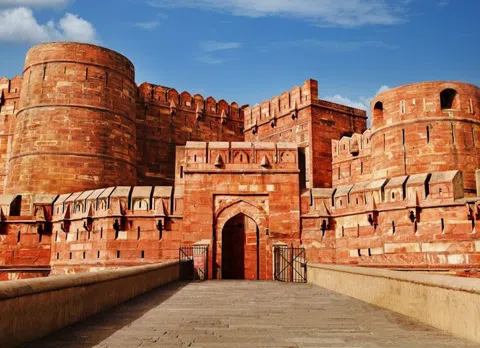
What a Car Tour of Agra Fort Actually Covers
The red sandstone stronghold across the river from the Taj is only a third visitable. Here is how to plan a driving day around it, from the gate to the evening light show.
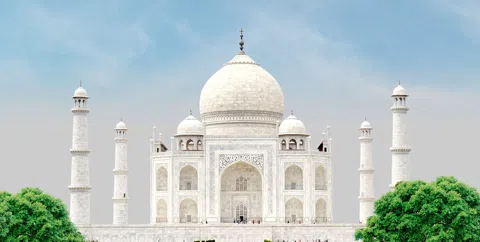
Agra's Monsoon Fills the Yamuna and Turns the Taj Silver
For ten weeks a year the river behind the Taj Mahal is a river again. Here is how to plan an Agra trip around the rains, monument by monument.
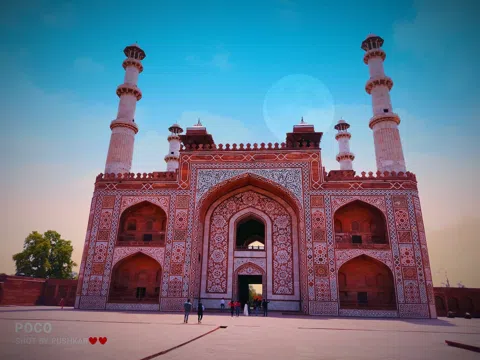
Agra Fort Rewards the Morning After the Taj Mahal
Only a third of Agra Fort is open to visitors, and it happens to be the palace third, including the tower where Shah Jahan spent his last years watching the Taj downriver.
Getting from Agra to Jaipur Without Wasting a Day
Three honest answers cover the 255 km: a train from the station you probably didn't arrive at, a coach that boards across town, or a car that only pays off if you stop on the way.
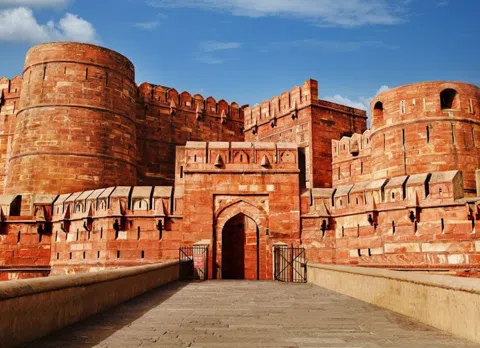
Taking Children Around Agra Without the Meltdown
Two days in Agra, planned around opening hours, shade and the one booking you have to make days ahead. Sunrise at the Taj, ramps at the fort, sloth bears at Keetham.
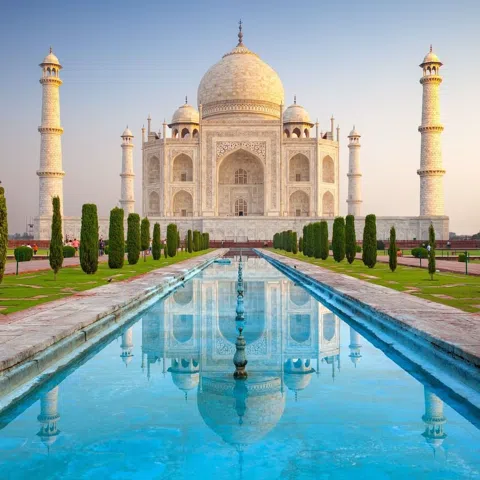
What Makes Agra Manageable for a Woman Travelling Alone
Tickets, licensed guides, prepaid fares and an evening with a fixed finish time: the specific arrangements that take the negotiation out of a solo trip to Agra.

Agra's Cafes for the Long Afternoon After the Taj
Fourteen rooms, roofs and tea lounges within reach of the gates, sorted by what they actually suit: a table of two, a table of eight, or three hours with a laptop.
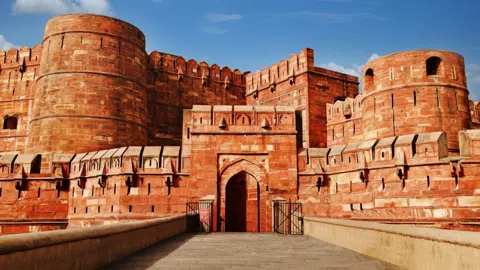
Give Fatehpur Sikri Its Own Day and Agra Works
Two UNESCO sites forty kilometres apart, a three-hour ticket and a Friday closure: this is how an unhurried Agra divides up.
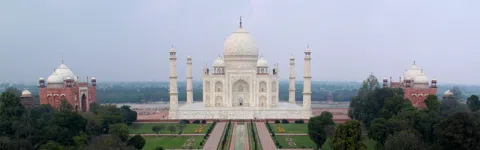
Agra Alone in Two Days Without the Guesswork
A two-day solo plan for Agra: when to be at the gate, what the metro fixes, which half-day trip to drop, and where to eat by yourself without it being a project.
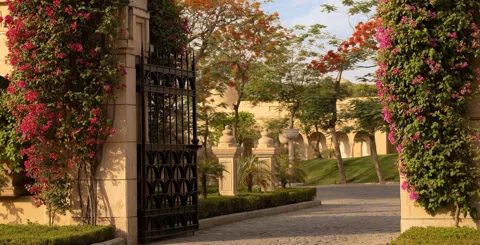
Where to Sleep in Agra for a 5.30am Taj Mahal Start
Fourteen Agra hotels ranked by how far you have to travel in the dark, from a 600-metre golf-buggy ride to the coach yards three kilometres out.
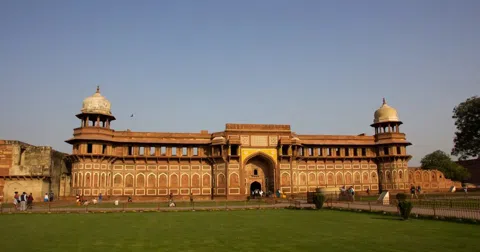
Two Days in Agra That Don't Revolve Around the Taj
A realistic two-day plan for Agra built around the fort, the north bank, the old city lanes and the food worth queueing for.
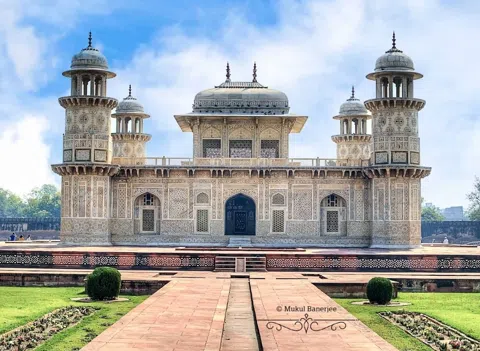
Agra in October When the Air Finally Dries Out
The monsoon leaves, the Yamuna stays full and the marble reads white again. How to plan an Agra trip around the first genuinely comfortable month of the season.
Arriving in Agra Without Paying the Tout Tax
Agra's arrival hustle is a commission economy rather than a mugging, and it comes apart against fixed prices: the prepaid docket at Agra Cantt, a ₹20 metro ride and the only two places a real Taj ticket comes from.
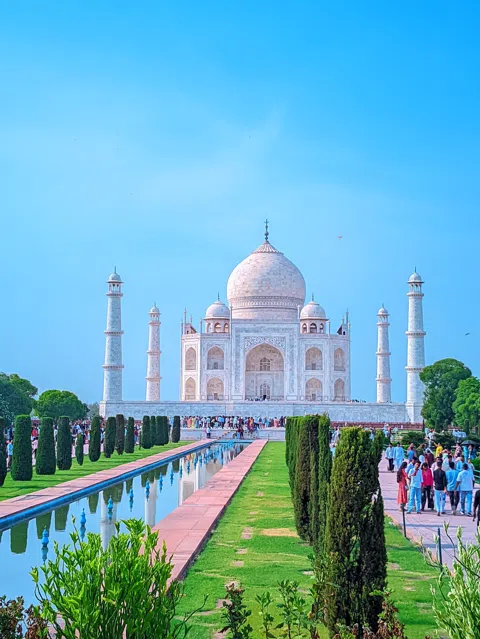
Where to Stand in Agra When the Taj Mahal Turns Gold
The good Taj Mahal vantage points in Agra all close, empty or fill at about the same moment, so here is how to pick one and get there in time.
Delhi to Agra and Back Without Rushing the Taj
A workable one-day plan for the Taj Mahal, Agra Fort and the river-bank gardens, with the train times, ticket slots and commission traps that decide whether the day works.
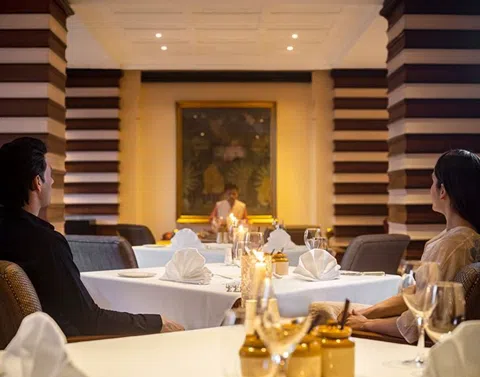
The Mughal Kitchen: Agra's Forgotten Royal Recipes and the Restaurants Reviving Them
From a five-star recreation of the imperial table to a halal dhaba doing dum mutton biryani for less than a bottle of water at the Taj gate, here's where Agra's Mughlai cooking actually survives in 2026.
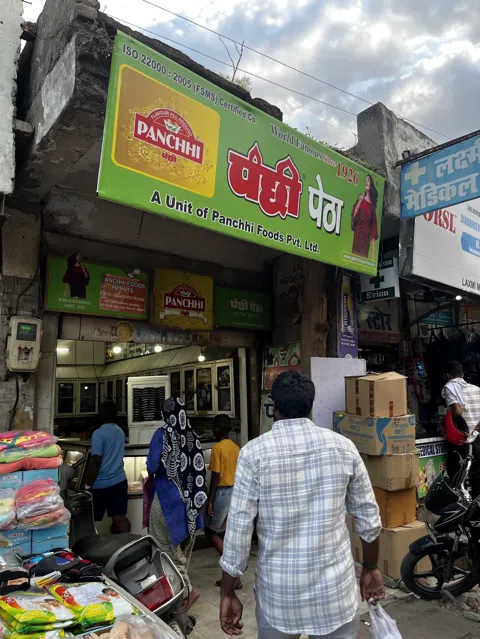
The petha sweet trail — Agra's famous ash-gourd candy, the shops that invented it, and the backstreet makers still doing it by hand
A walkable trail through Agra's ash-gourd candy trade in 2026, from the 1926 counter with the strongest claim to inventing it to the marble-slab alley shops still cutting it by hand.
After the Taj: Agra's Marble Workshops, Mughlai Kitchens and Riverbank Mornings
A second-day guide to the city that built the Taj Mahal — the prototype tombs, working inlay ateliers, Mughlai kitchens and quiet riverbanks most visitors miss on their way to the train.
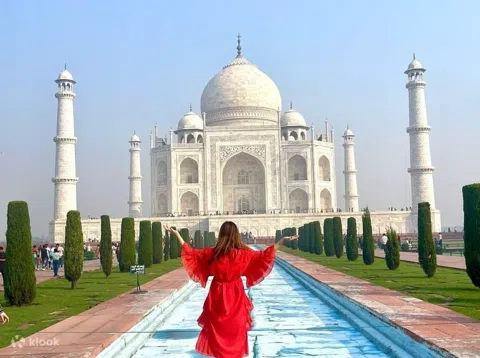
Agra's Sunrise at the Taj: The Local's Guide to Beating the Crowds
How to see the Taj Mahal at first light in 2026 — which gate to book, where to take breakfast, and the river viewpoints that hand you the marble without the crush.
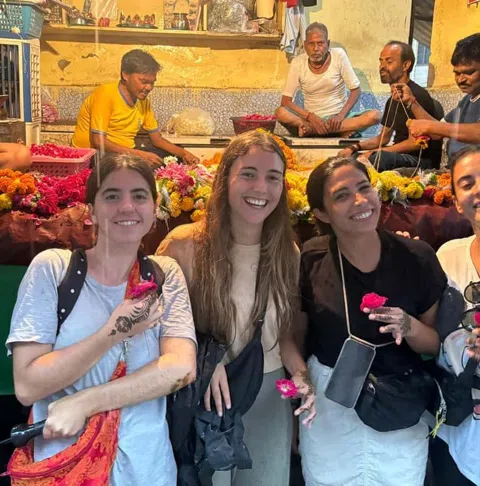
Agra Food Tours: From Street Eats to Night Markets
A tried-and-eaten route through Agra's chaat lanes, petha counters and Mughlai kitchens — with honest notes on who each place actually suits.