The Agra issue
After the Taj: Agra's Marble Workshops, Mughlai Kitchens and Riverbank Mornings
A second-day guide to the city that built the Taj Mahal — the prototype tombs, working inlay ateliers, Mughlai kitchens and quiet riverbanks most visitors miss on their way to the train.

By Matteo FerraroAgra is a Mughal city, not a single monument
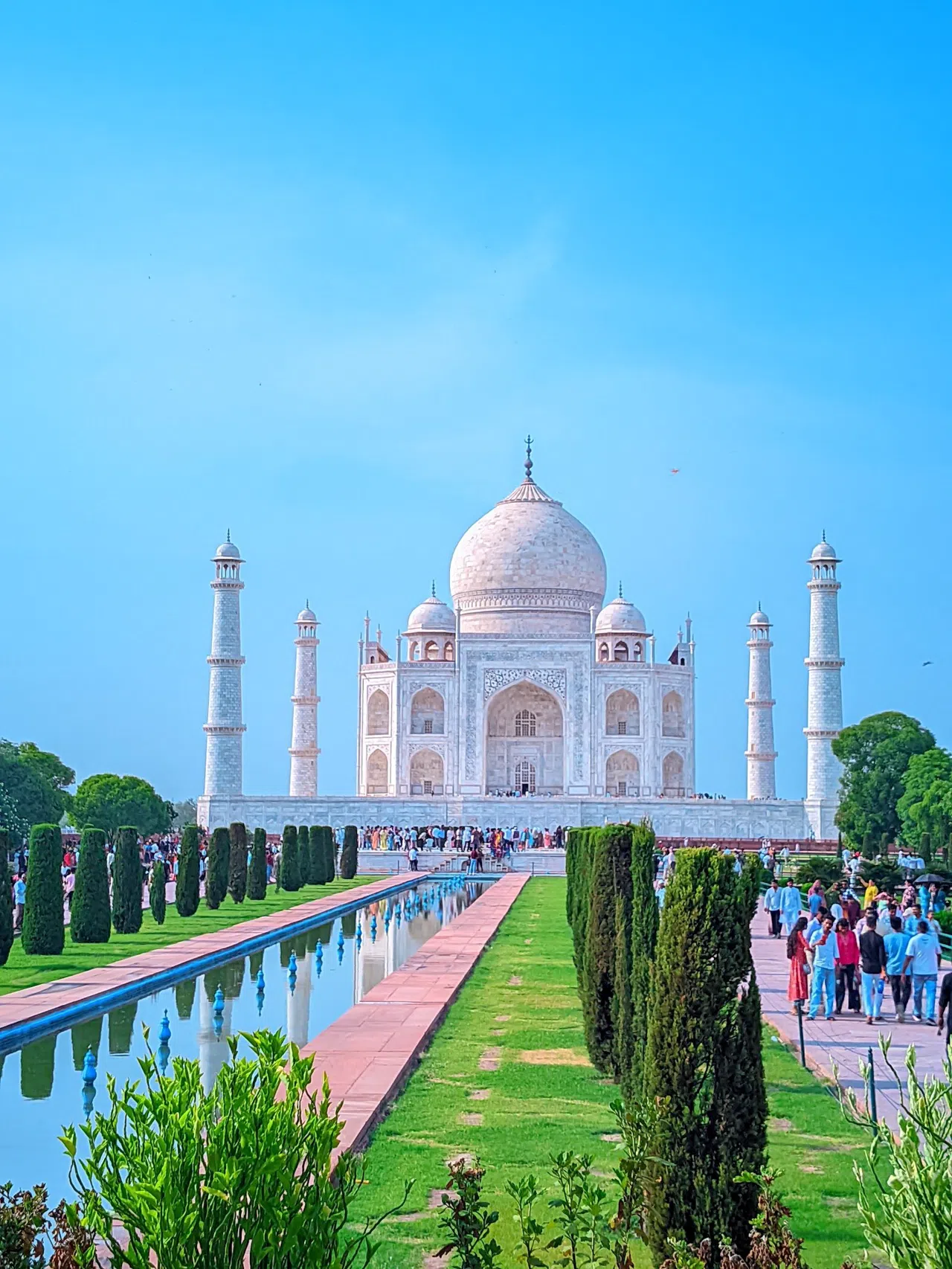
Most visitors give Agra a single sunrise and a train back out. But the city that built the Taj Mahal spent the better part of a century learning how, and the evidence is scattered along both banks of the Yamuna: prototype tombs, working inlay ateliers, the fort where the emperor who commissioned it all died a prisoner, and bazaar kitchens that have fed the old city for generations. Stay a second day and Agra stops being one monument and becomes a place. This guide assumes you have already seen the Taj; everything below is what to do with the time after.
Riverbank mornings: the quiet east bank
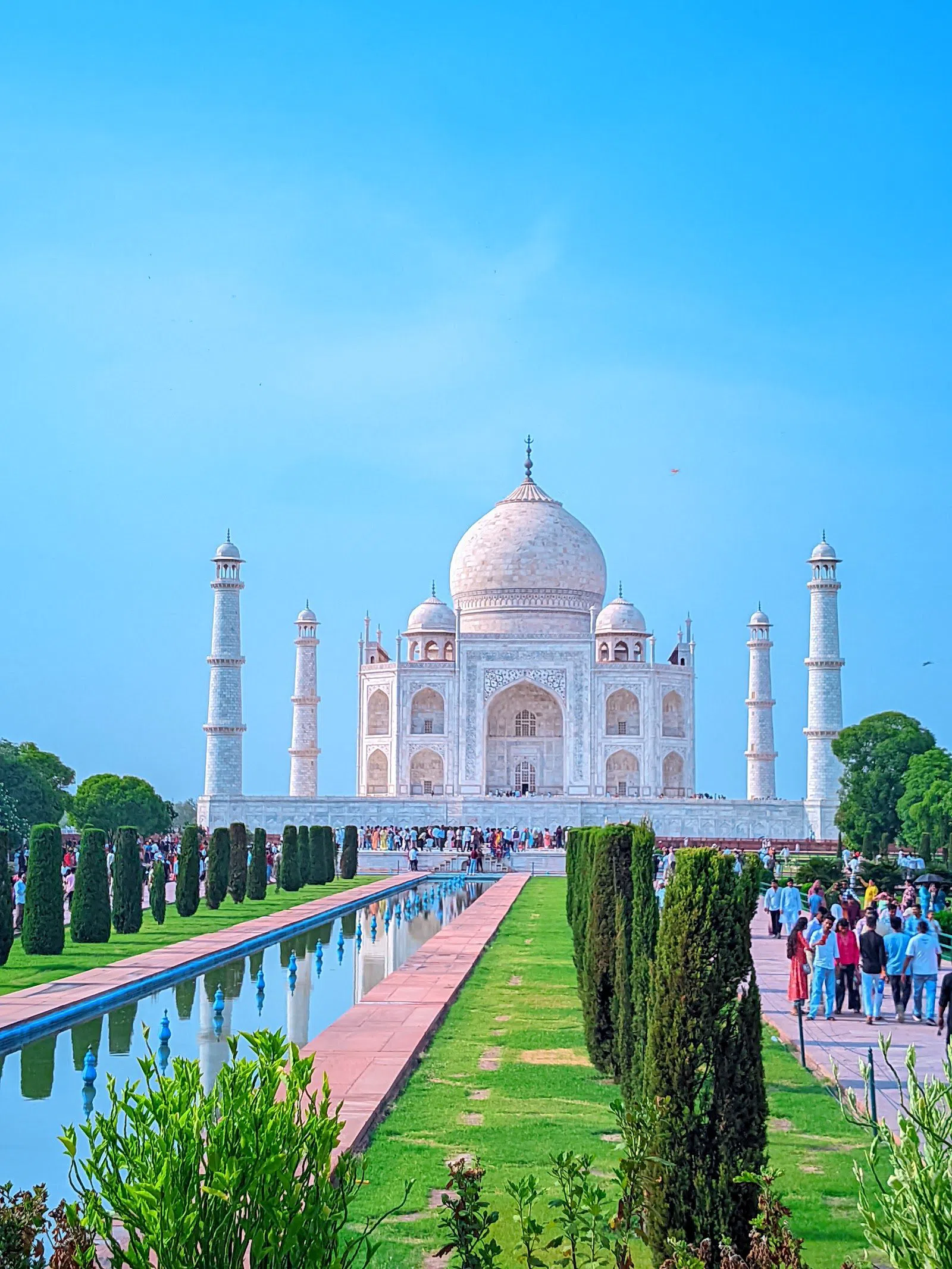
The smart move on a second morning is to cross the Yamuna to the east bank, where the crowds thin and the light is gentle. Start at Mehtab Bagh (Nagla Devjit, directly across the river from the Taj). This is the 'Moonlight Garden', a Mughal charbagh laid out on axis with the mausoleum, and it gives you the postcard view of the Taj from behind — the full dome and minarets reflected in the river, with no marble crowd pressing at your shoulder. It is a ticketed but open garden (~INR 300 for foreigners, INR 25 for Indians) that handles groups and coach tours without any door policy. Come for golden hour, an hour before closing, when the marble across the water turns amber; midday here is flat and hot, and the garden's own planting is more archaeological than lush, so manage your expectations and go for the vantage point.
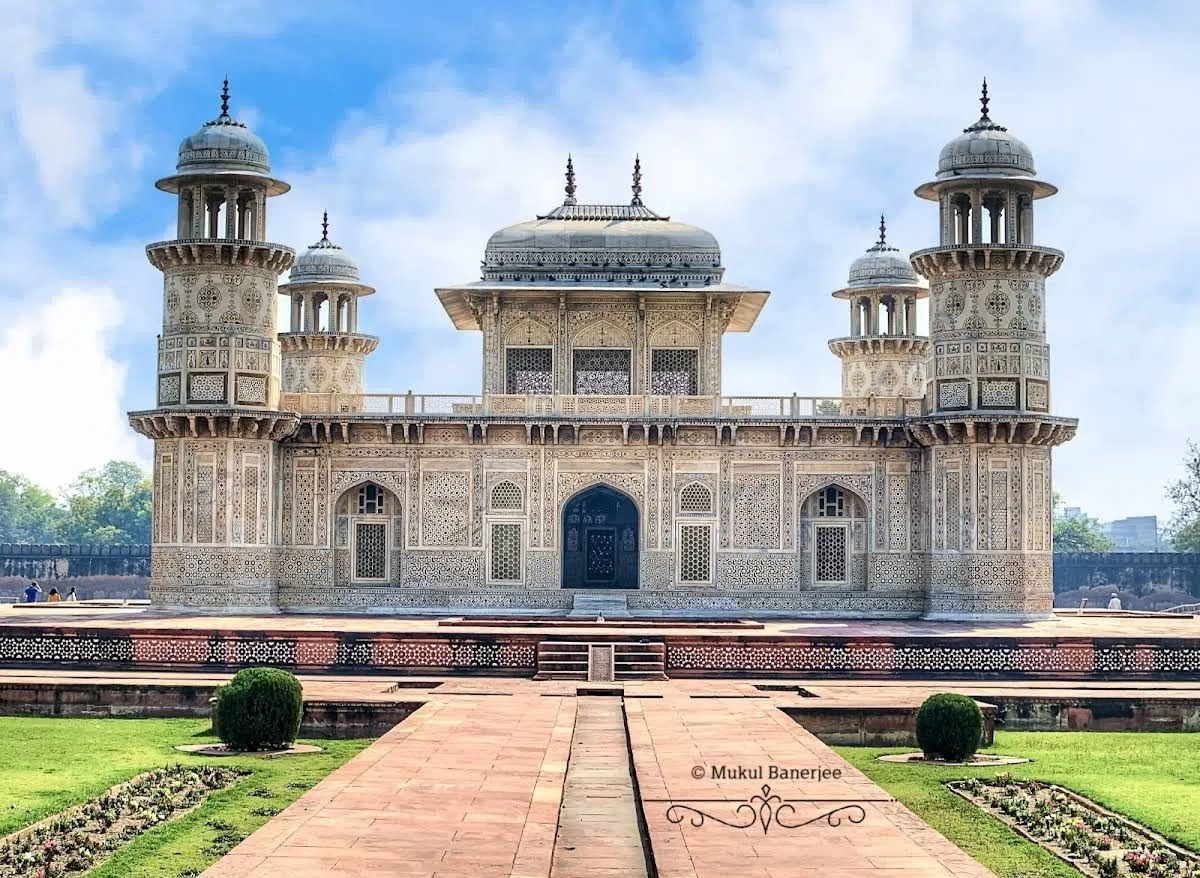
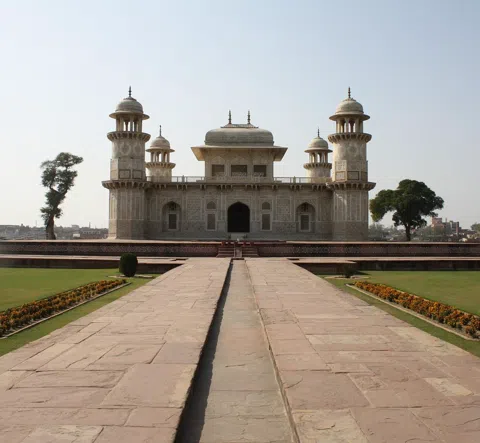
A short ride north brings you to the Tomb of Itmad-ud-Daulah (Moti Bagh, Nunhai side), universally known as the Baby Taj. Built for Nur Jahan's father two decades before the Taj, this is the jewel-box that prototyped everything that made the larger tomb famous: the white marble, the pietra dura inlay, the pierced screens. It is smaller and closer than the Taj — you can stand within arm's reach of the inlaid flowers — and many people find it more delicate for exactly that reason. The site is compact but welcomes groups, opens sunrise to sunset, and costs roughly INR 310 for foreigners, INR 30 for Indians. Give it forty minutes.
Barely a few hundred metres away sits Chini Ka Rauza (Katra Wazir Khan, east bank), the tomb of a Persian poet-minister and the only glazed-tile Persian mausoleum in India. Most tour itineraries skip it, and it shows — the tilework is weathered and the upkeep is patchy — but that is also the appeal: you will likely have the crumbling turquoise facade to yourself. It is free or near-free, fine for a couple or a small group but not for coaches, and it pairs naturally with the Baby Taj next door. Ten minutes is enough unless you are drawn to the decay.
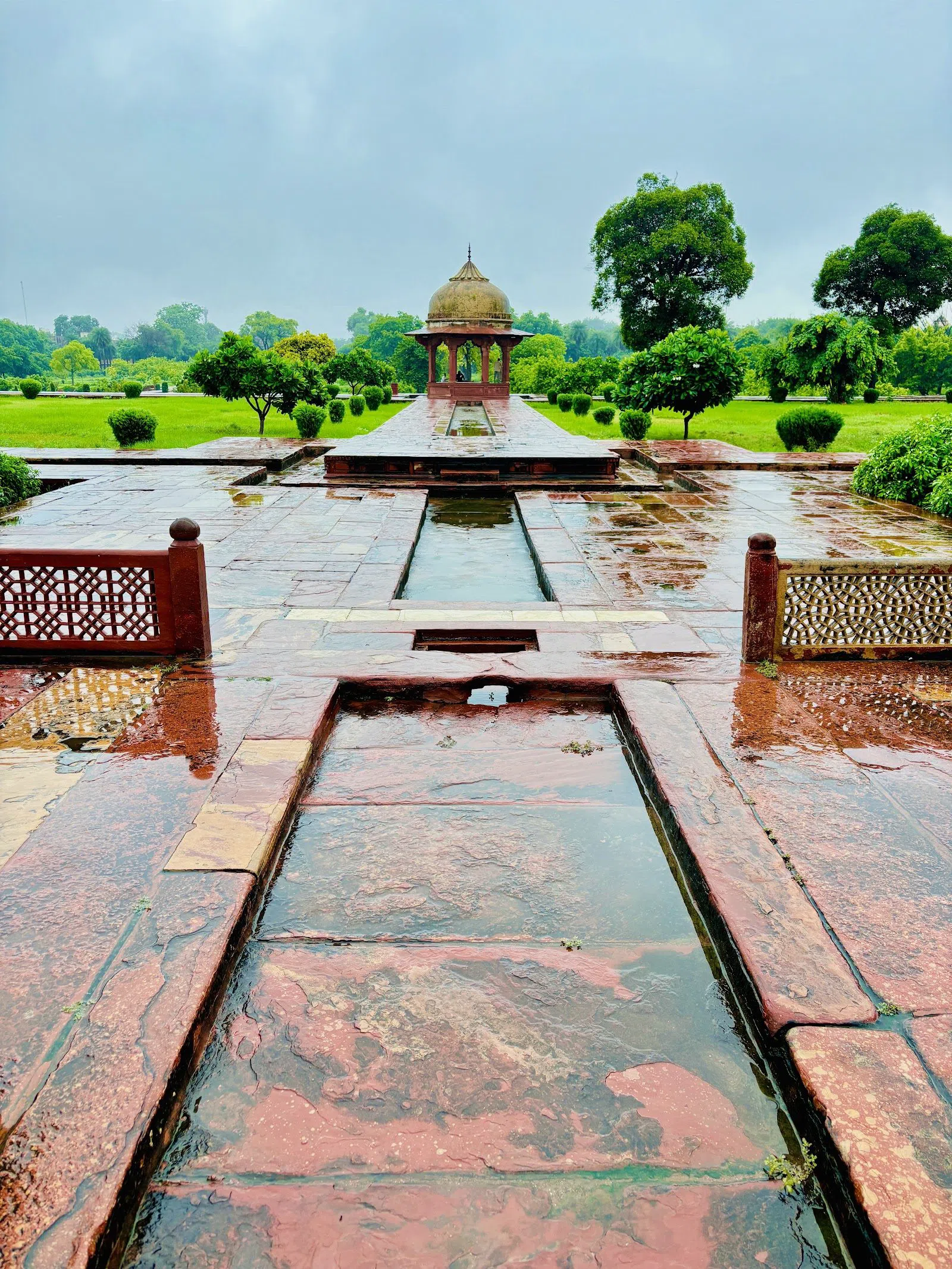
Further up the same bank is Ram Bagh, also called the Bagh-i-Gul Afshan or Aram Bagh (Rambagh, north-east Agra). This is Babur's original pleasure garden, laid out in 1528 — the first proper Mughal charbagh on the subcontinent, and for a time the emperor's temporary grave before his body was moved. There is not much built structure to see; the reason to come is genealogical, to stand in the garden design that every later Mughal garden, the Taj's included, descends from. Footfall is low, groups are handled easily, and entry is a token fee (~INR 25 for Indians, a small foreigner charge). It suits travellers who want the whole arc of the story rather than a single set-piece.
Plan your Agra trip
Live prices from our booking partners.
Free cancellation on many rooms. We may earn a commission when you book.
The emperors' stone: fort, Sikandra and a ghost city
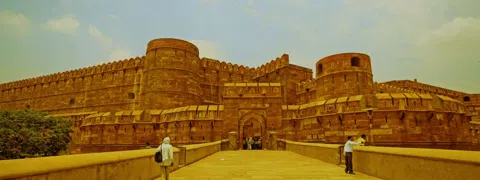
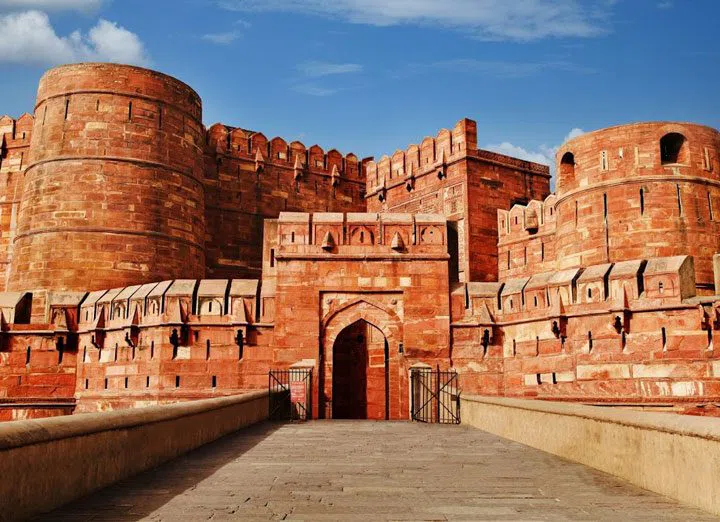
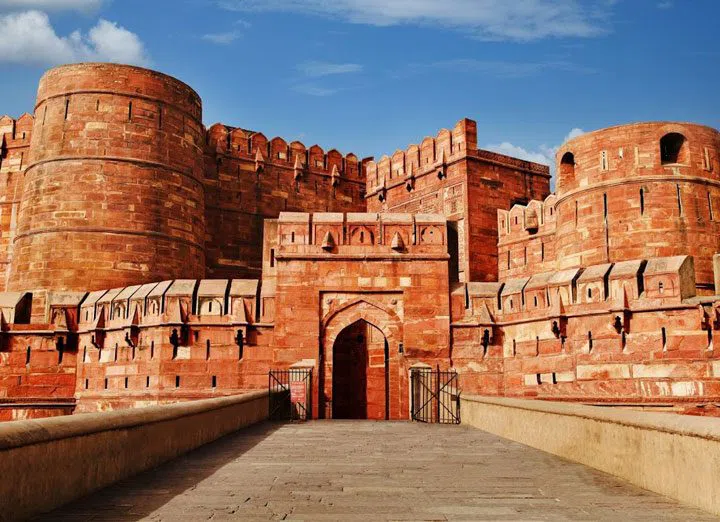
If the east bank is about the marble, the west bank and the roads out of town are about the power that paid for it. The essential second monument is Agra Fort (central, on the west bank of the Yamuna), a UNESCO site and a working red-sandstone citadel that later emperors dressed in marble. Its most affecting corner is the Musamman Burj, the octagonal tower where Shah Jahan spent his final years imprisoned by his son, looking downriver at the tomb he had built for his wife. The fort takes groups and coach tours freely — wide gates, no door policy — and runs about INR 650 for foreigners against INR 50 for Indians. Budget ninety minutes and bring water; the courtyards offer little shade.
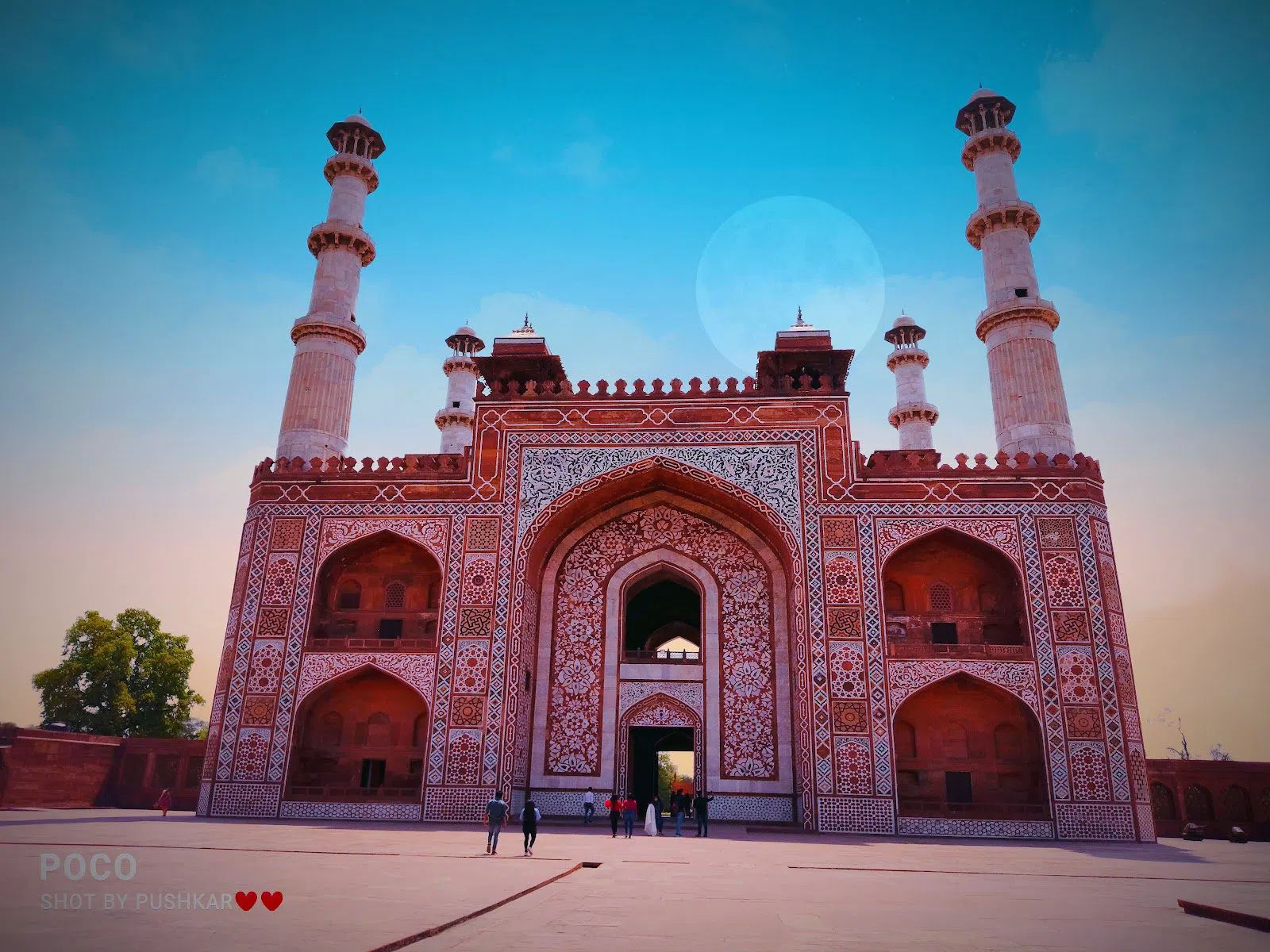
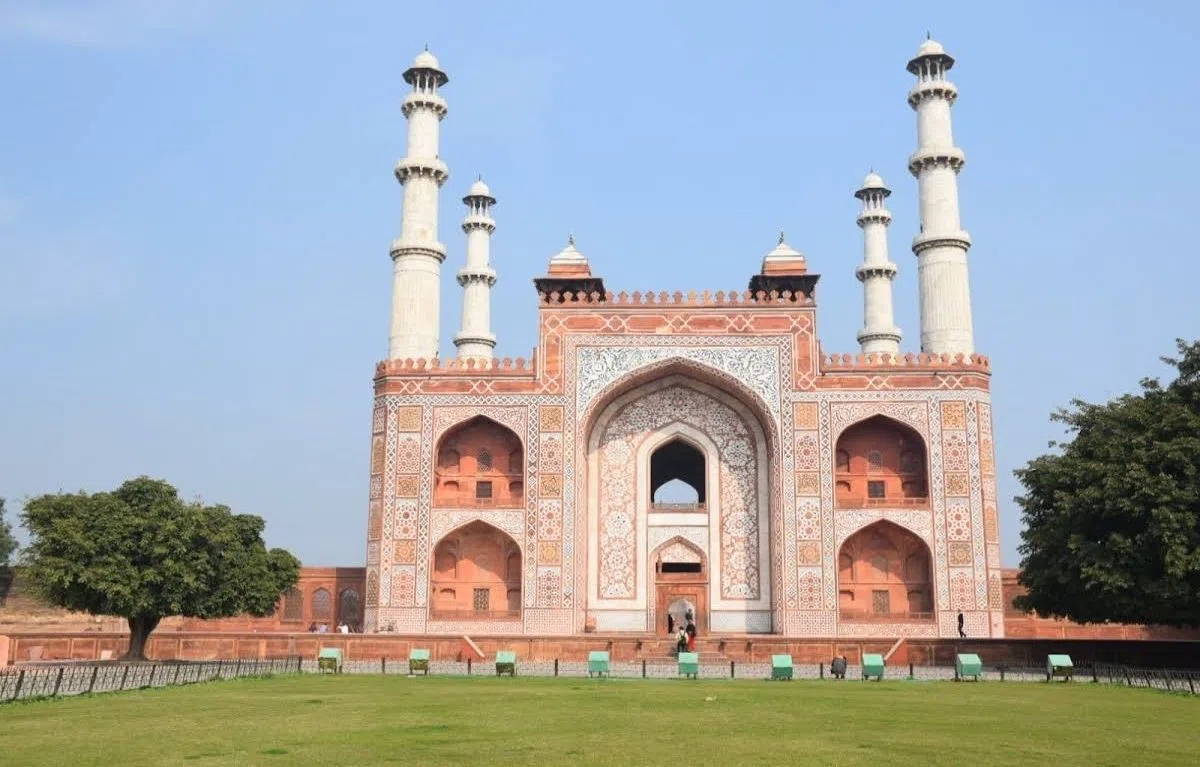
On the Delhi road north-west of the centre stands Akbar's Tomb, Sikandra — the mausoleum the great emperor designed for himself, a monumental four-gate structure set in a walled garden estate. It is comfortably able to take groups, open sunrise to sunset, and priced at roughly INR 310 for foreigners, INR 30 for Indians. The architecture is heavier and more experimental than the later marble tombs, and the garden is home to resident deer, langurs and blackbuck, which makes it an easy and rewarding stop to fold into an arrival from or departure toward the north rather than a special trip.
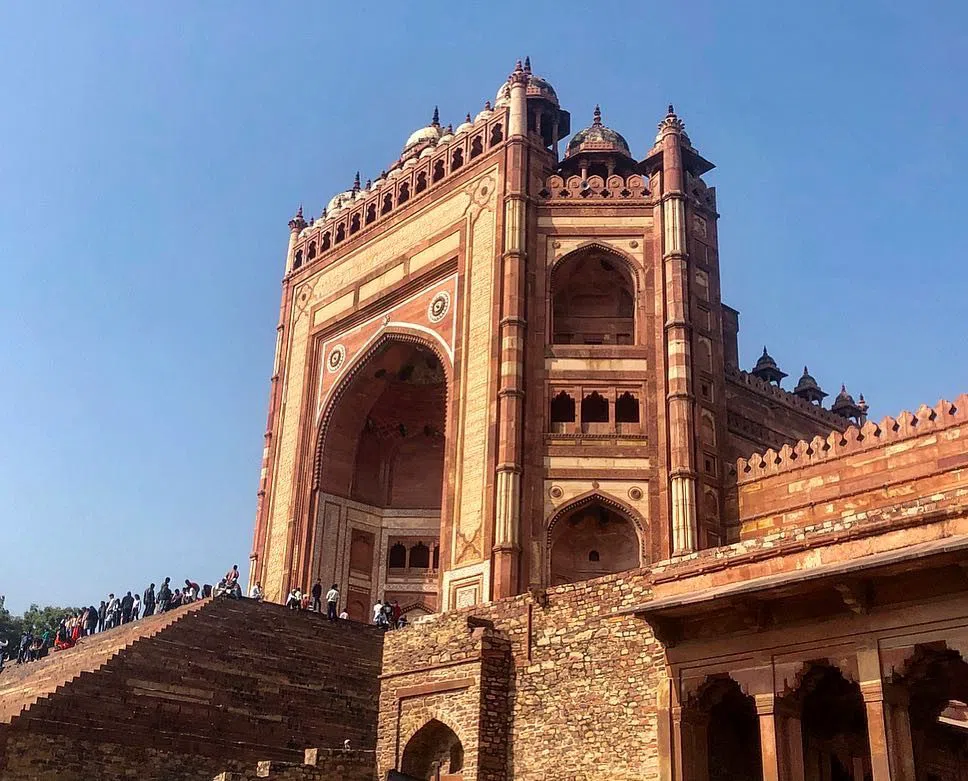
Give a serious traveller half a day and the standout is Fatehpur Sikri (about 40km west of Agra). Akbar built this red-sandstone capital, ruled from it for barely fifteen years, then abandoned it — reportedly over water supply — leaving one of the best-preserved imperial cities of its age. The palace complex, the vast Buland Darwaza gateway and the Jama Masjid are all here, and the whole site was built for crowds, so guides and coaches are standard. Entry is around INR 610 for foreigners, INR 50 for Indians, and it is open 6am to 6pm daily. Two practical warnings: the ticketed monument complex and the still-active mosque are separate areas, and the mosque precinct is where unofficial 'guides' and hard sellers cluster — be firm and polite. Go early to beat both the heat and the tour buses.
Where the marble is still worked
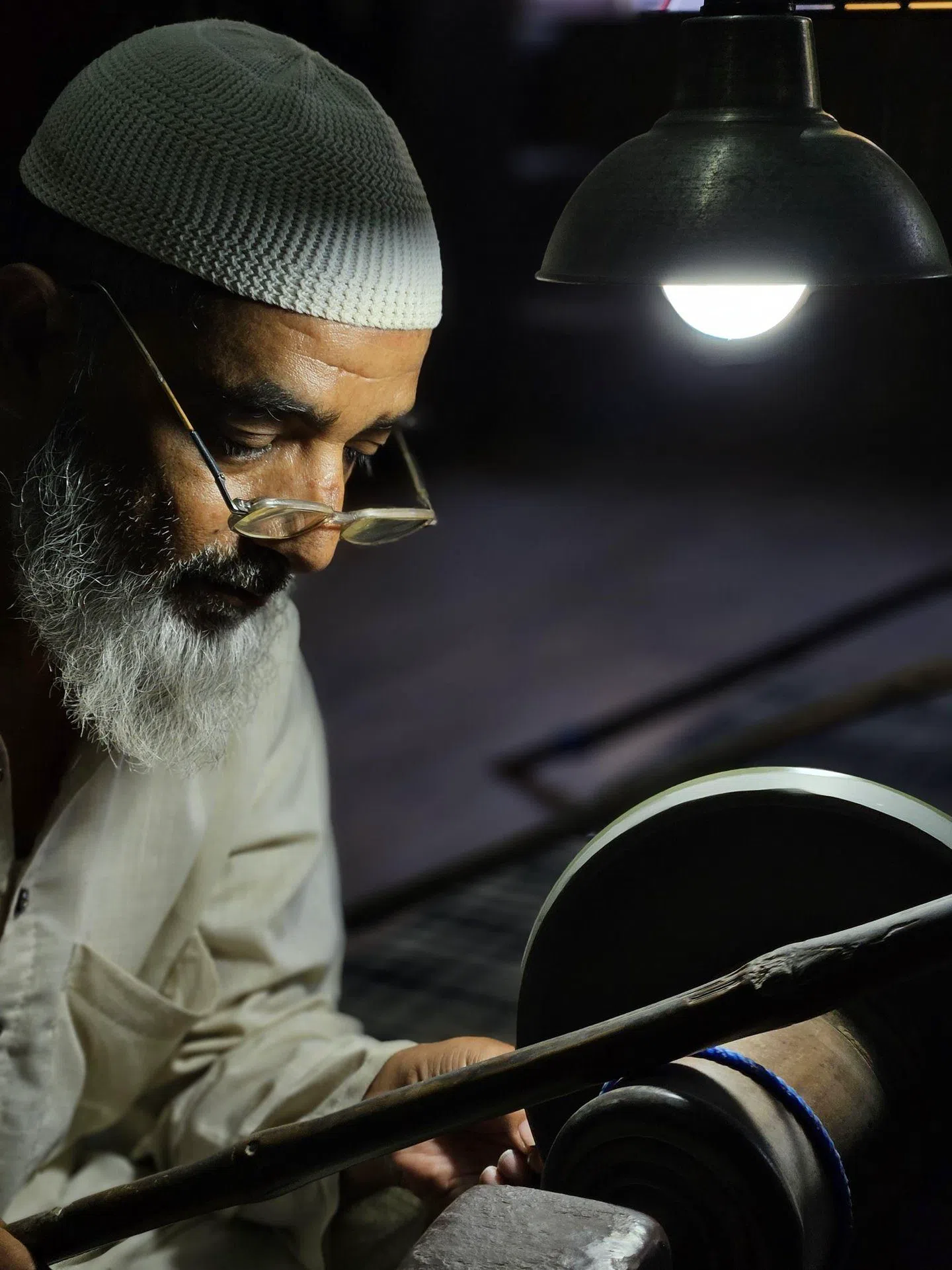
The inlay you admired in the tombs is not a dead craft, and Agra is the place to watch it made. Subhash Emporium (Gwalior Road, near Sadar Bazaar) is a genuine parchinkari, or pietra dura, house established in 1973, where artisans cut and set semi-precious stone into marble by hand exactly as the Mughal workshops did. It welcomes tour groups with a live demonstration and — importantly — there is no obligation to buy; the demo itself is free. This matters because Agra is thick with commission-driven emporiums that funnel drivers and guides toward hard-sell showrooms; Subhash is the counter-example, so if a driver insists on 'his' marble shop instead, decline. Prices for pieces vary enormously, from small coasters to table tops, and quality tracks price closely.
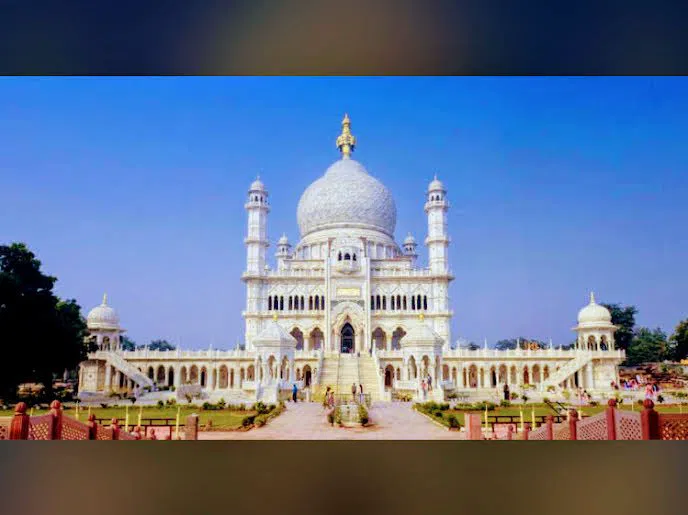
For the same craft at cathedral scale, go to Soami Bagh Samadh in Dayal Bagh, north of the city — the marble mausoleum of the Radha Soami faith, begun in 1904 and only in recent years approaching completion. The inlay and carving here genuinely rival the Taj's, the difference being that this is a living devotional project rather than a finished museum, and almost no foreign tourists make the trip. It is an active pilgrimage site: entry is free, groups are welcome, but modest dress is expected and photography is limited inside. Treat it as a place of worship first and an architectural marvel second, and it will reward the detour.
Mughlai kitchens and the old city
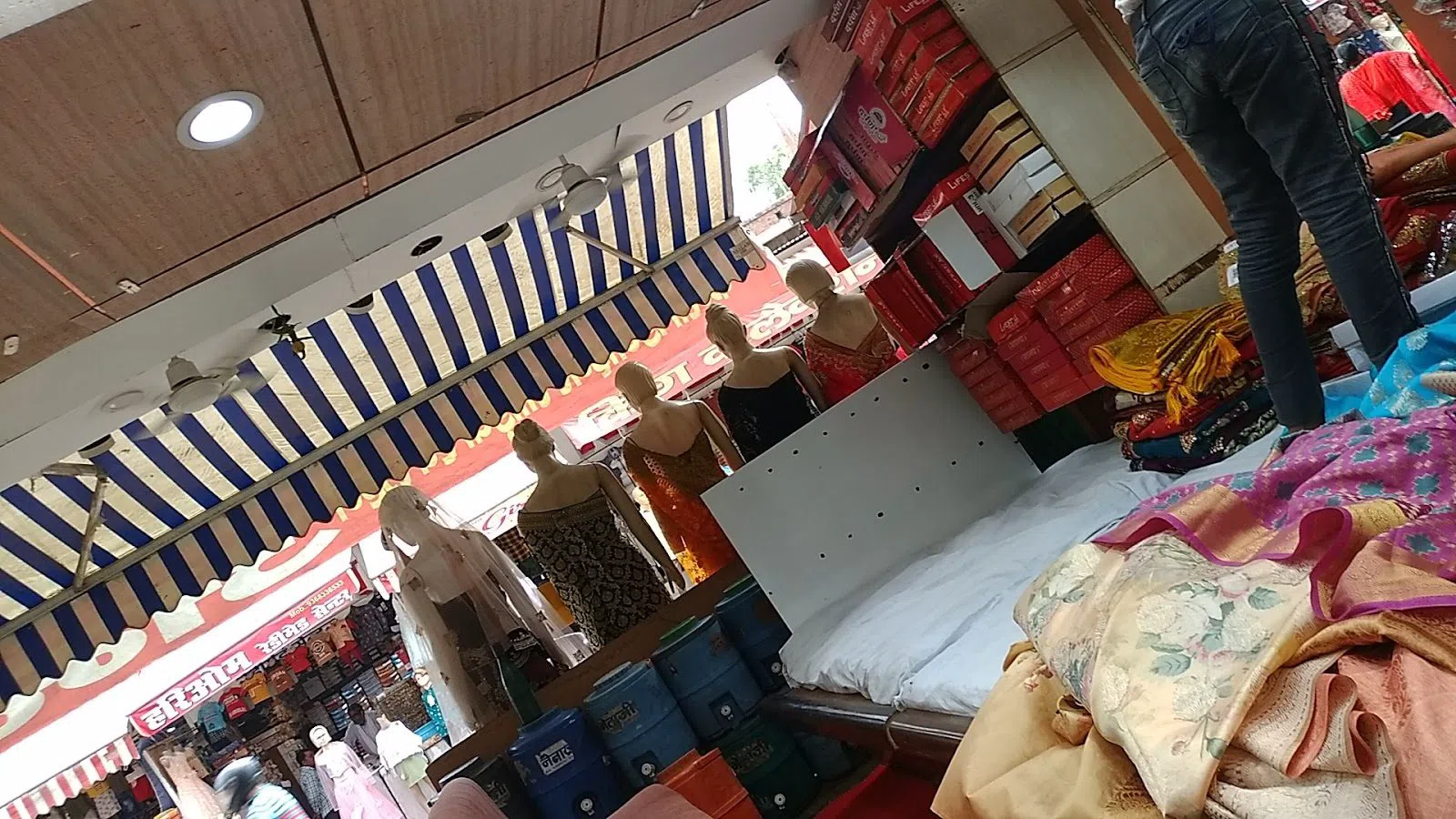
Agra's food is Mughlai and Braj at once, and the best way into it is on foot with someone who knows the lanes. The Kinari Bazaar & Old City Food Walk (old city, around the Jama Masjid) covers the tangled wholesale bazaar that is the living heart of old Agra. The market itself is public, always open and free to wander, but the practical recommendation is a guided tasting walk for a small group: it turns a chaotic, easy-to-get-lost warren into a sequence of samosa, the local milk-fudge sweet called petha, pani puri and cup after cup of masala chai, with a guide who can tell the reliable stalls from the rest. Guided food walks run roughly $11–40 per person depending on length and inclusions. This suits curious eaters and small groups; it is not a sit-down restaurant, so go hungry and go early evening when the stalls are busiest and freshest.
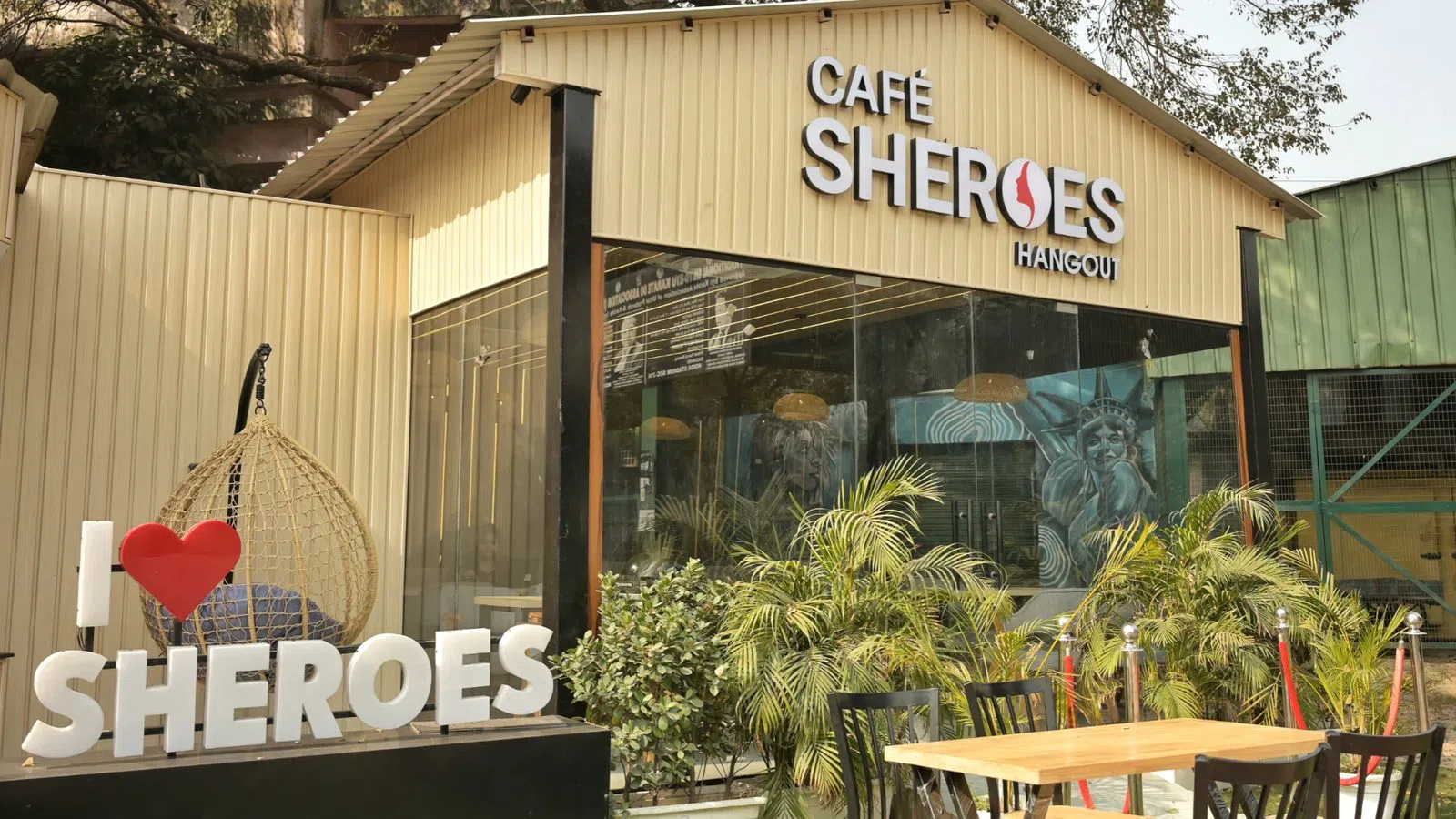
For a meal with a different kind of weight, book nothing and simply walk into Sheroes Hangout Cafe (Fatehabad Road, on the main tourist strip). It is run by survivors of acid attacks under the Chhanv Foundation, and its profits fund their surgeries, education and legal aid. The menu is fixed — there is no set price; you pay what you feel the meal was worth — and it has run this way since 2020. The food is simple café fare, honestly done, but that is not really why you come: it is casual, group-friendly, needs no reservation, and it is a genuinely moving stop rather than a culinary one. Budget INR 100–300 a head as a fair contribution and give yourself time to read the walls and talk to the staff.
Evenings and an ethical detour
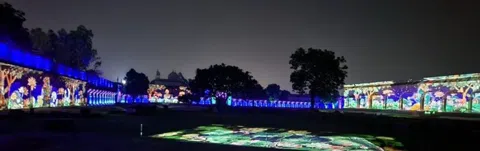
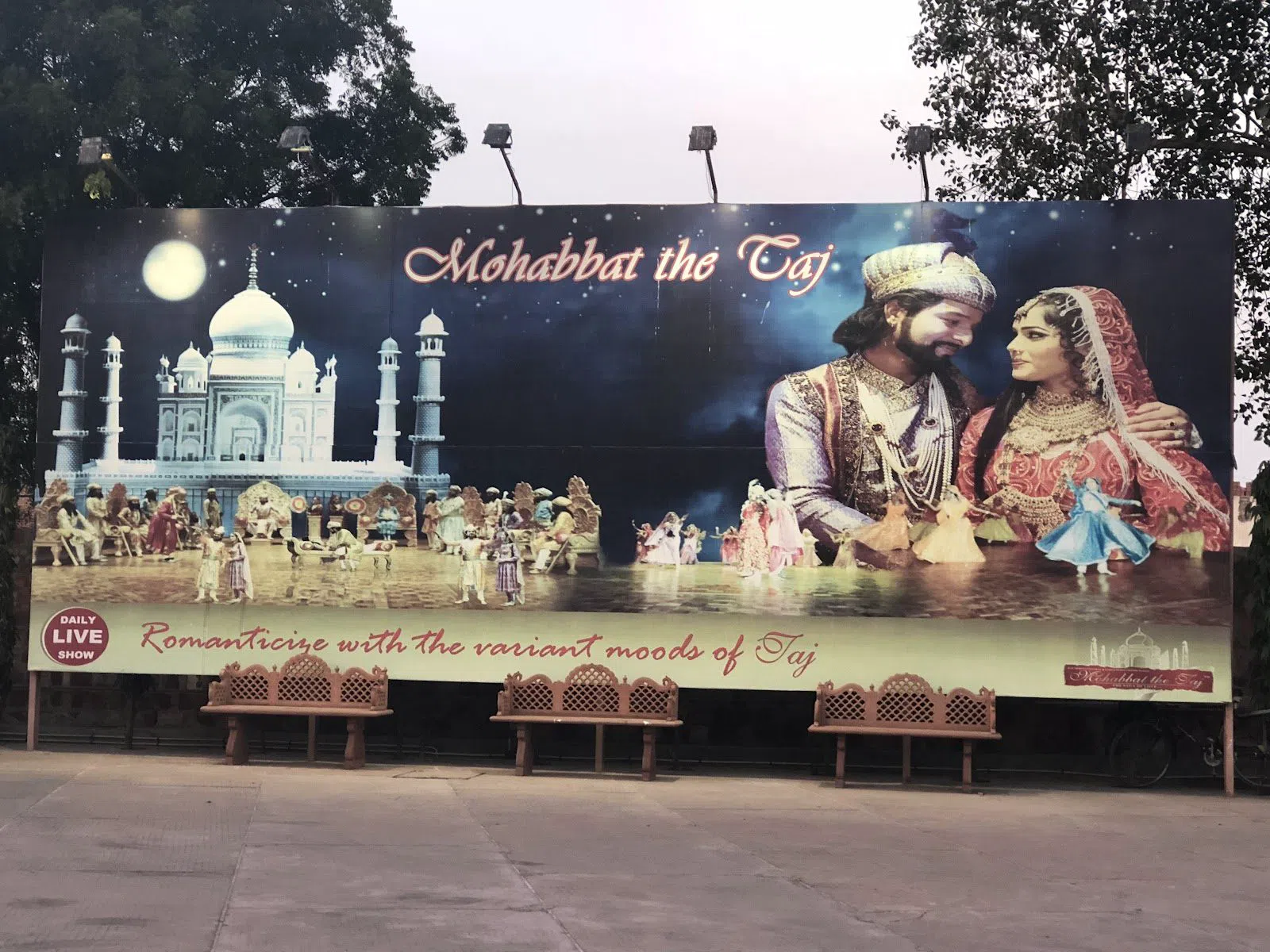
Agra empties of daytime energy after the monuments close, so a planned evening helps. Mohabbat the Taj Show at the Kalakriti Cultural & Convention Centre (Fatehabad Road, about 10km from the Taj) is a 90-minute dramatisation of the Shah Jahan and Mumtaz Mahal love story in a purpose-built, air-conditioned auditorium. It is unabashedly a tour-group product — designed for coaches, with free English, French and German headsets — but it is good value from around INR 600, with higher premium tiers, and it is a sensible fallback on a night when heat, rain or a tired group rules out anything more ambitious. Set expectations at 'accessible cultural theatre', not high art, and it delivers.
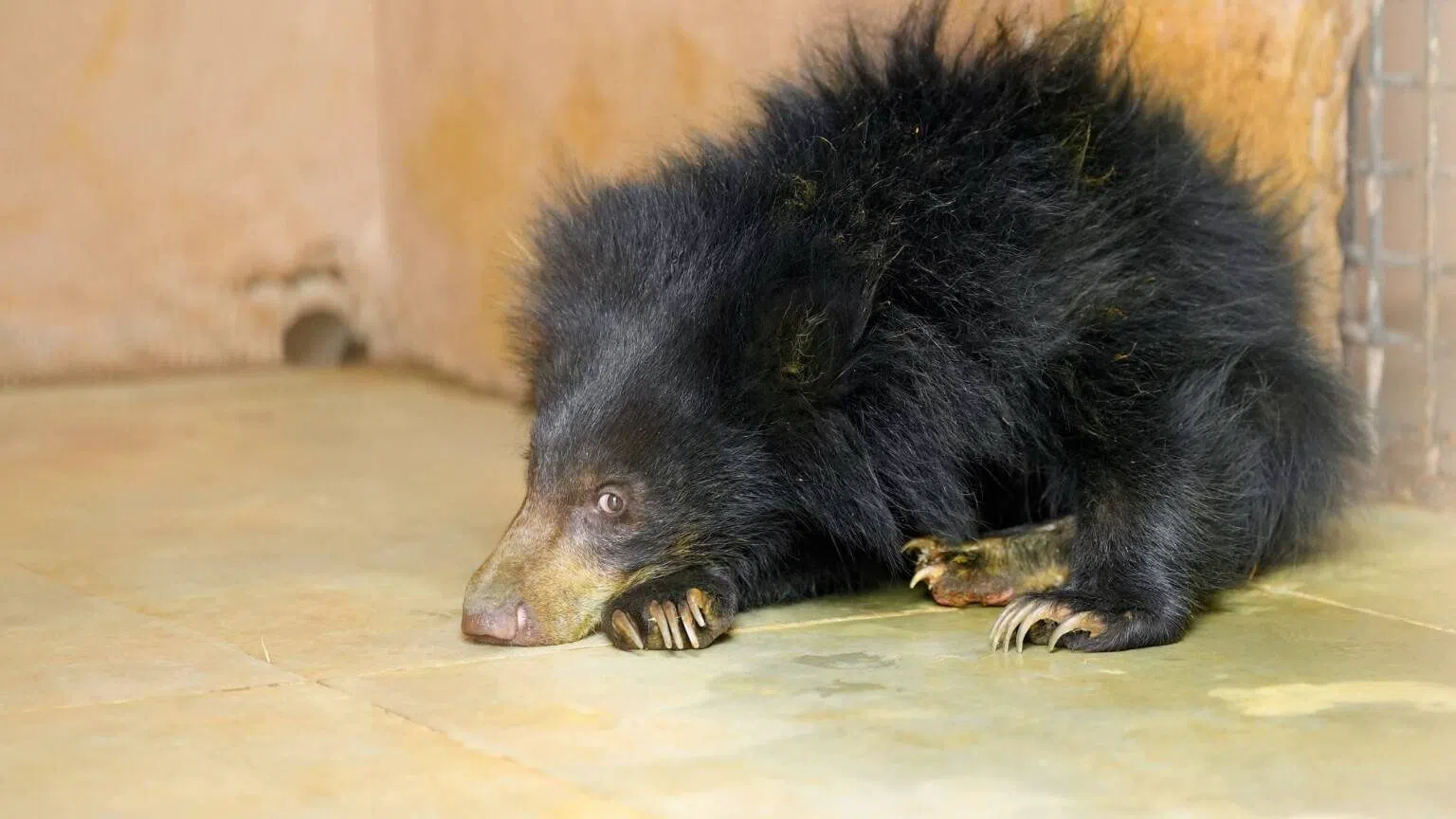
If you have a spare morning and a conscience about elephant rides, drive out to the Wildlife SOS Elephant & Bear Rescue Centre (about an hour from Agra, on the road toward the ghost city). It is a working rescue centre — not a zoo and not a ride operator — that rehabilitates elephants and sloth bears saved from cruelty. Visits are guided, small-group and by pre-booking only, so you cannot simply turn up; a guided visit runs from around INR 2,000 and the model is donation-supported. Go in understanding that a rescue centre prioritises the animals over the visitor experience: sightings are not guaranteed and the pace is unhurried. For travellers who want to see elephants without underwriting their exploitation, it is the honest choice in the region.
Practical notes
Getting around. Agra's sights sprawl across both riverbanks and out along three highways, so the efficient way to cover a second day is a hired car and driver for a fixed daily rate, agreed in advance — the east-bank cluster (Mehtab Bagh, Baby Taj, Chini Ka Rauza, Ram Bagh) is one logical loop, and Sikandra, the marble workshops or the ghost city each pull you a different direction. Autorickshaws work well for short hops around the old city and Fatehabad Road; agree the fare before you get in.
Cash. Carry rupees. Monument ticket counters, the bazaar stalls, chai vendors and Sheroes all run best on cash, and small notes save arguments. Cards work at hotels and the larger emporiums but little else. Note the standard two-tier pricing on monuments — foreigner rates are several times the Indian rate — and keep your ticket, as some sites check it more than once.
Timing. Start early. Every open-air site — the fort, Sikandra, the ghost city, the gardens — is punishing by late morning from spring through the monsoon, and coach groups arrive mid-morning. Reserve the indoor and shaded options (the workshops, Sheroes, the Taj show) for the harsh middle of the day. Golden hour belongs to Mehtab Bagh.
Budget. A realistic second day sits between two extremes. Frugal travellers can string together the fort, the east-bank tombs, a bazaar food walk and Sheroes for well under INR 2,500 in tickets and food. Add a private car, a guided food walk, the Wildlife SOS visit and the Taj show and you are into a mid-range day; the marble at Subhash Emporium can move the total in any direction you let it. Book the Wildlife SOS visit and any food walk a day or two ahead — both cap group sizes.
For where to base yourself, compare an Agra hotel search — the Fatehabad Road strip keeps you close to the show, Sheroes and the Taj's east gate, while the Taj Ganj lanes trade comfort for proximity. For the rest of the city beyond this second day, the full Agra guide has the essentials.
Before you go
Is one day enough for Agra, or should I stay a second day?
One day covers the Taj Mahal and, if you rush, Agra Fort. A second day is what lets you see the prototype tombs on the east bank, the working marble workshops, a bazaar food walk and Fatehpur Sikri — the material that turns Agra from a single monument into a city worth understanding.
What is the best place to see the Taj Mahal without the crowds?
Mehtab Bagh, the garden directly across the Yamuna from the Taj. It gives the full dome-and-minaret view reflected in the river, is far quieter than the mausoleum itself, and is at its best in the hour before sunset. Entry is around INR 300 for foreigners.
How do I avoid the pushy marble showrooms in Agra?
Ask specifically for Subhash Emporium on Gwalior Road, an established parchinkari house that gives a free hand-inlay demonstration with no obligation to buy. Decline if a driver or guide insists on taking you to a different 'marble shop' instead — those are usually commission-driven.
Is the Wildlife SOS elephant centre an ethical alternative to elephant rides?
Yes. Wildlife SOS is a working rescue centre for elephants and sloth bears, not a ride operator or zoo. Visits are guided, by pre-booking only, and donation-supported. Sightings are not guaranteed because the animals come first, so go with realistic expectations.
How far is Fatehpur Sikri from Agra and is it worth the trip?
Fatehpur Sikri is about 40km west of Agra, open 6am to 6pm daily, and worth a half-day for anyone wanting the empire beyond a single tomb. It is Akbar's well-preserved abandoned capital. Go early to beat the heat and the coach groups, and be firm with unofficial guides near the mosque.