The Agra issue
Agra in October When the Air Finally Dries Out
The monsoon leaves, the Yamuna stays full and the marble reads white again. How to plan an Agra trip around the first genuinely comfortable month of the season.

By Matteo FerraroAgra is a Mughal city, not a single monument
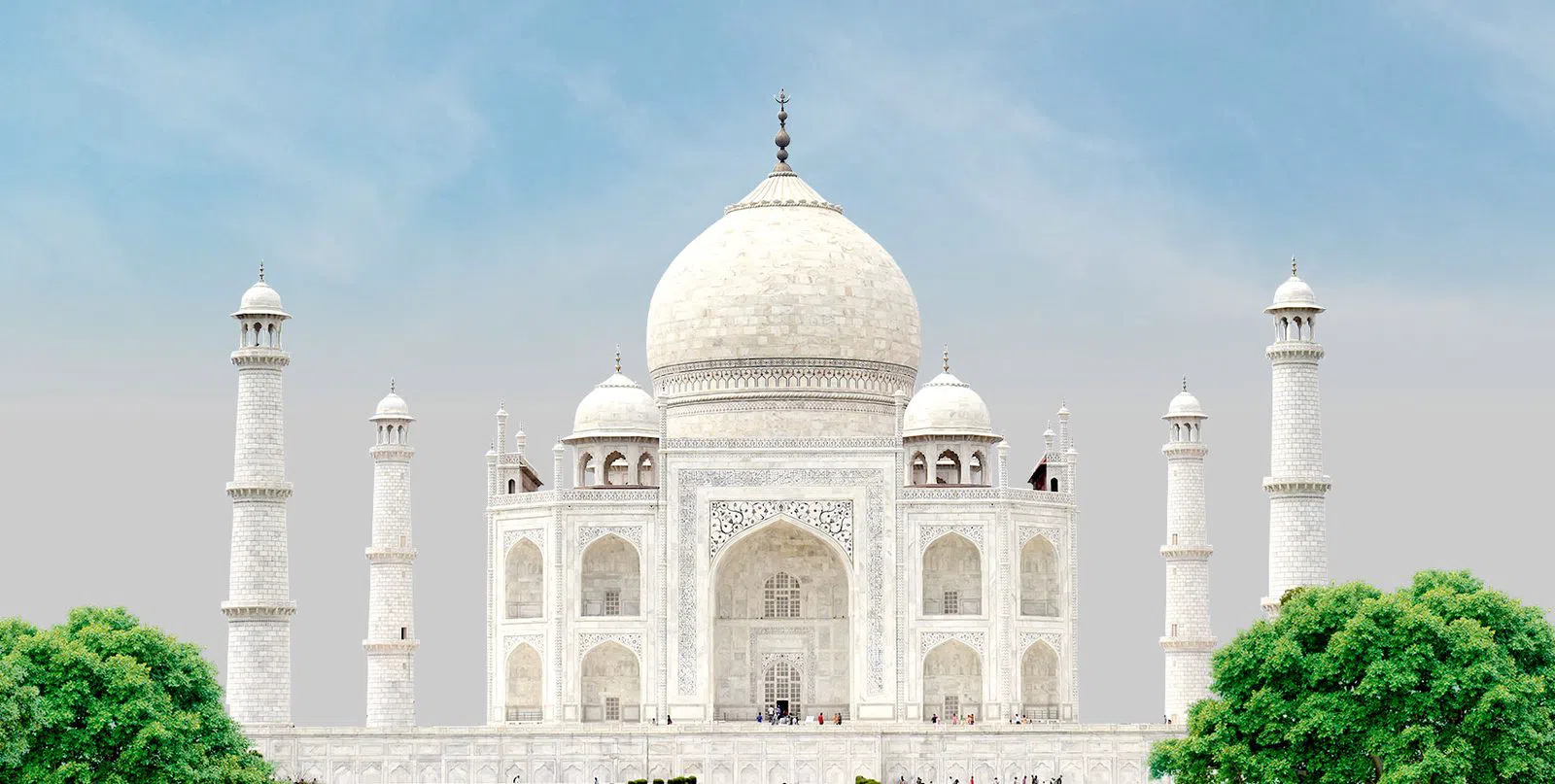
Through August the Taj Mahal reads grey behind river haze, and the walk from the gate to the plinth leaves your shirt soaked before you have looked at anything properly. By the second week of October the air over Agra has dried out, the Yamuna is still high from the rains, and the same marble at six in the morning comes back a clean white. The city gets workable rather than cool, and that changes which half of the day, and which parts of the map, are worth your time.
What the break in the humidity actually buys you
The monsoon usually withdraws from this part of north India in the last days of September or the first week of October. Expect daytime highs in the low-to-mid 30s°C and nights closer to 20°C, with the first week or so still capable of throwing a heavy, sticky afternoon. From roughly the tenth of the month it settles. The difference is practical: you can stand in an open courtyard at eleven in the morning, eat outdoors at nine at night, and get through two sites in a day instead of one plus a shower.
The other October advantage is water. The river is full, the gardens are green, and the sanctuaries that shut for the rains come back online. October does not give you the glass-clear light of deep winter, and it does not give you an empty city: weekends and the domestic holiday run later in the month put real queues on the monuments. Plan around mornings and Fridays rather than hoping for a quiet day.
Plan your Agra trip
Live prices from our booking partners.
Free cancellation on many rooms. We may earn a commission when you book.
Sunrise at the Taj, and why the gate time matters
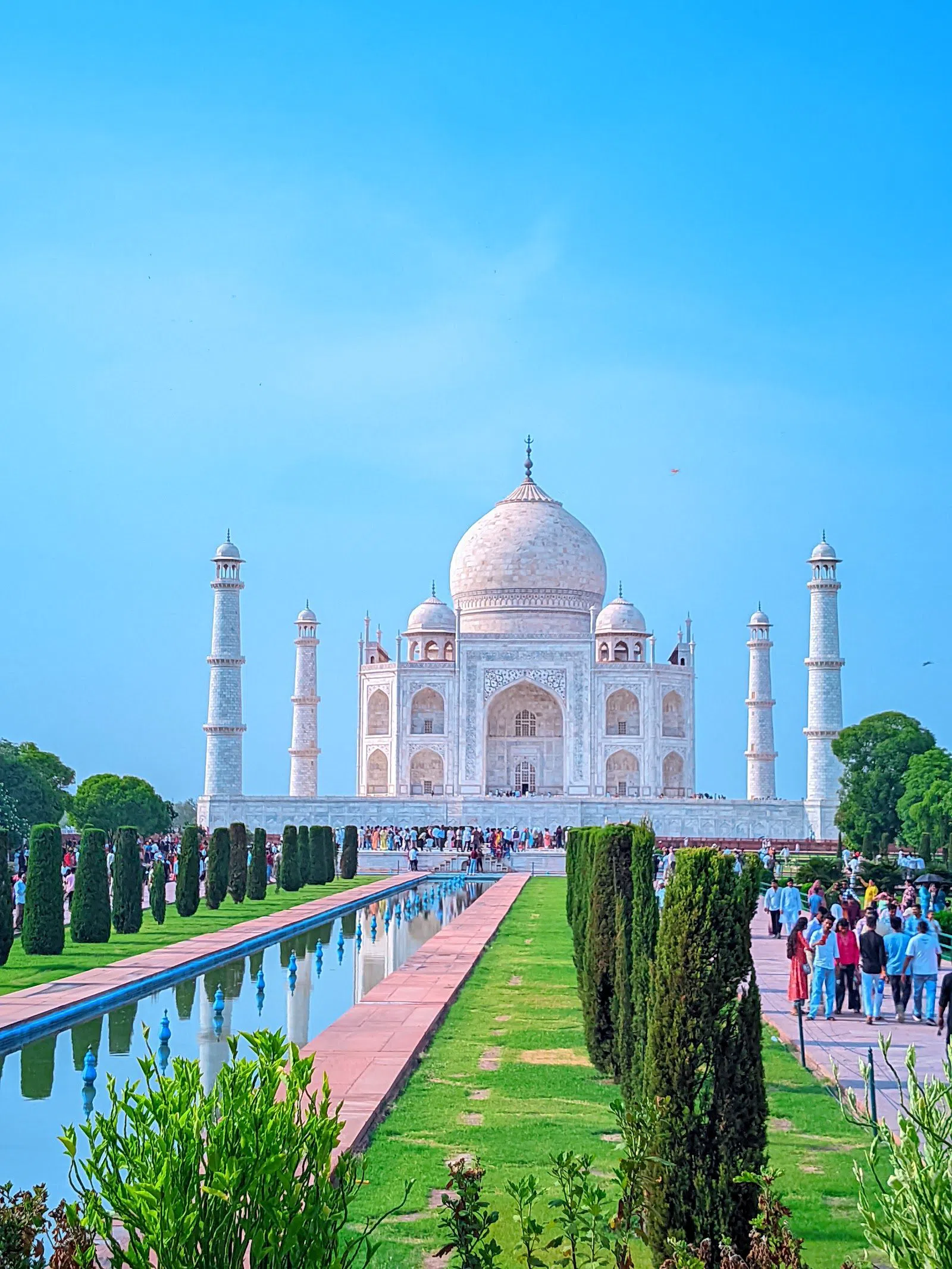
Taj Mahal (Tajganj) opens thirty minutes before sunrise, which in October means being in the queue at the West or East gate around 5.45am for a gate that swings at roughly 6.10. Post-monsoon air is the reason to come this month: the marble reads white rather than through a wall of haze, and the first ninety minutes are the only time the forecourt is quiet. Go at opening rather than mid-morning. By ten the light is flat and the terrace is shoulder to shoulder.
Tickets for non-SAARC foreign visitors are ₹1,100 for the main complex, plus ₹200 if you want to go inside the mausoleum itself, so ₹1,300 all in. Under-15s go free. There are separate foreigner and domestic queues, and security screening at both gates, so travel light: no tripods, no food, minimal bags. Groups are handled without fuss, though a party of eight will move through screening far faster if everyone has their ticket on their own phone.
It is closed all day Friday except for prayers. Build your week around that fact rather than discovering it at the gate.
Night viewing is a separate ritual and a small one: five moonlit nights a month, 400 tickets in total, released in eight batches of 50, booked through the ASI portal seven days ahead at ₹510. It sells out, and it is nothing like a daytime visit, so it is worth attempting only if your dates happen to land on one of those nights.
One ₹500 ticket, two monuments
The ₹500 ADA component built into your monument ticket is paid once and covers you at Agra's other ADA sites the same day. Pairing the Taj with Agra Fort (on the river, entered at the Amar Singh Gate) on a single day is therefore the standard local move, and it saves you real money.
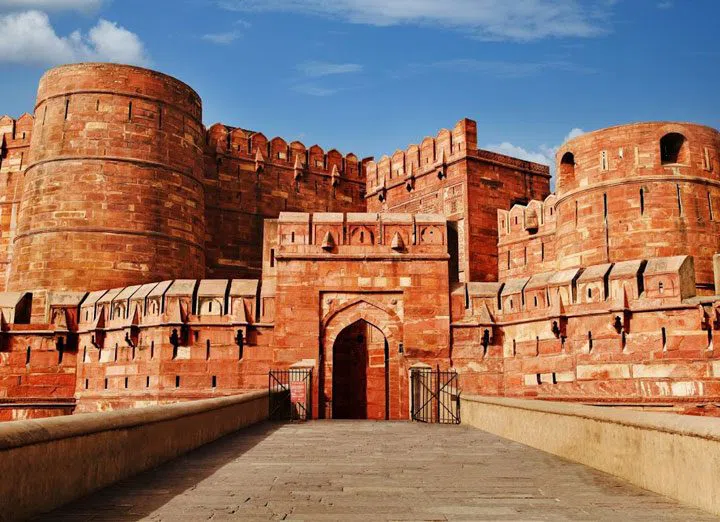
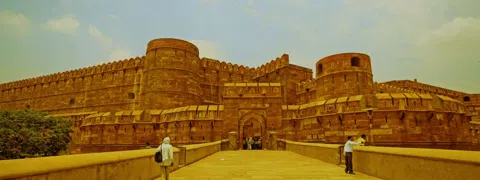
The fort is open all seven days, which makes it the anchor of any Friday. Admission is ₹650 for foreign visitors on weekdays and ₹600 on Fridays; Indian nationals pay ₹50. Allow two to three hours. It is a walled city rather than a single building, and the walk from the gate up the ramp and through to the marble palaces on the river side is longer than the map suggests. Licensed guides wait at the Amar Singh Gate; hire there rather than in the car park, and agree the price and the length of the tour before you start. Groups are fine, and the ramps make it one of the easier sites for anyone who walks slowly.
Do the Taj at sunrise, break for breakfast, and take the fort from about ten. The order matters: the fort holds up in mid-morning light in a way the Taj does not.
The left bank at the end of the day
Mehtab Bagh (across the river, directly behind the Taj) is where October pays off most visibly. The garden is open daily, Fridays included, sunrise to sunset, and needs no booking. Entry is ₹300 for foreign visitors and ₹25 for Indian nationals. Arrive about 45 minutes before sunset to get a spot on the riverbank rather than behind three rows of people, and go this month rather than later in the season, because the Yamuna is running full after the rains and that is the only condition under which you actually get the reflection. By late winter that stretch of riverbed is mostly sand.
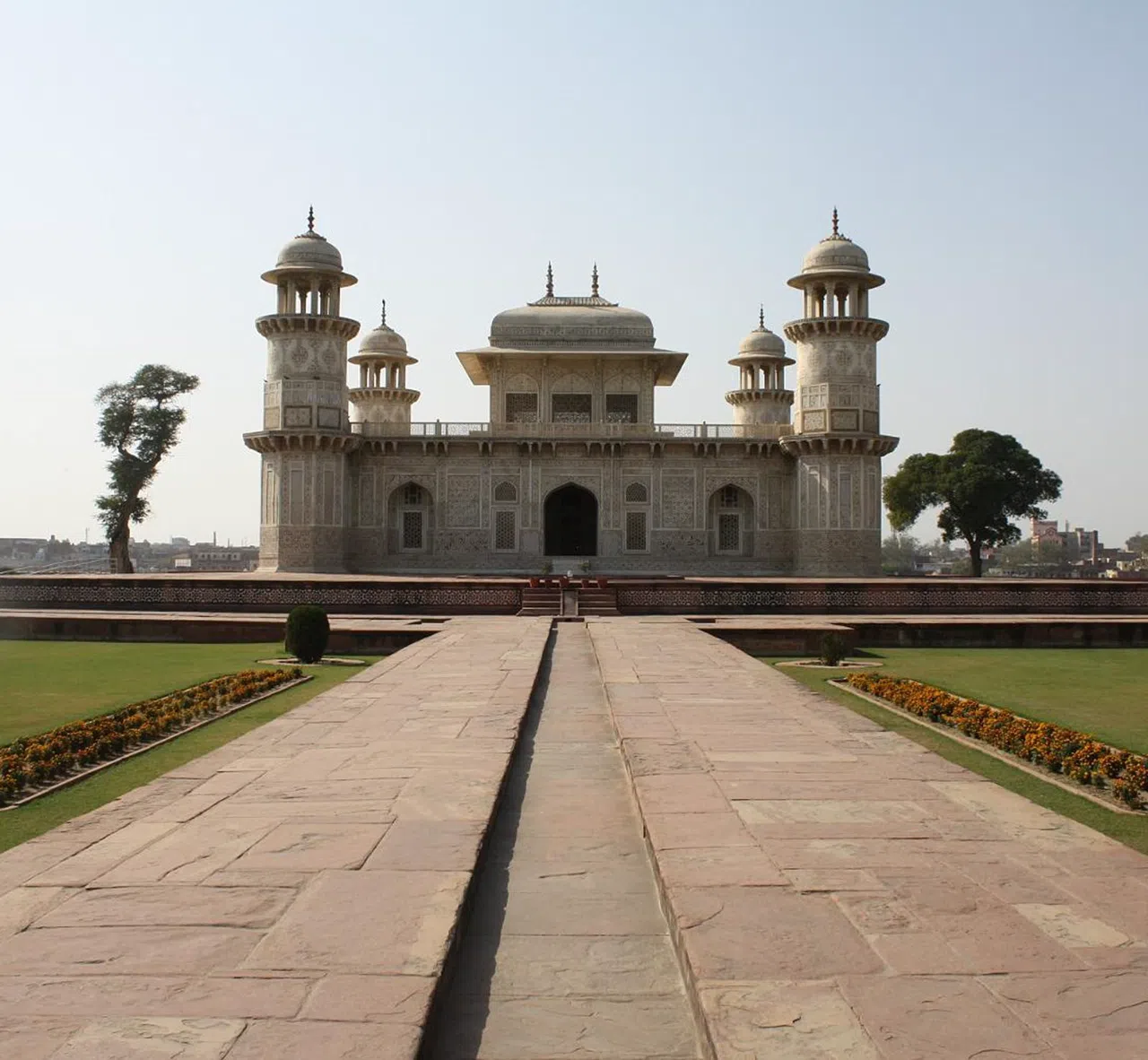
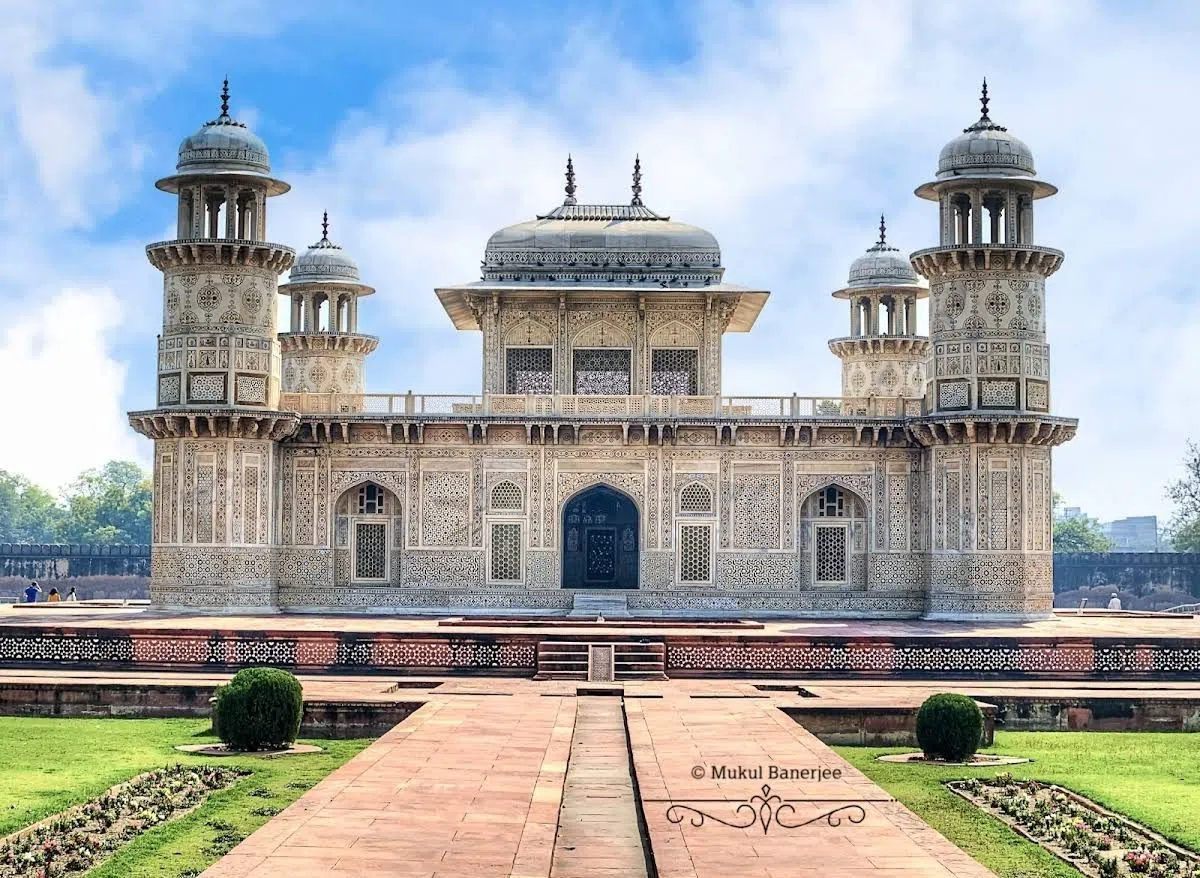
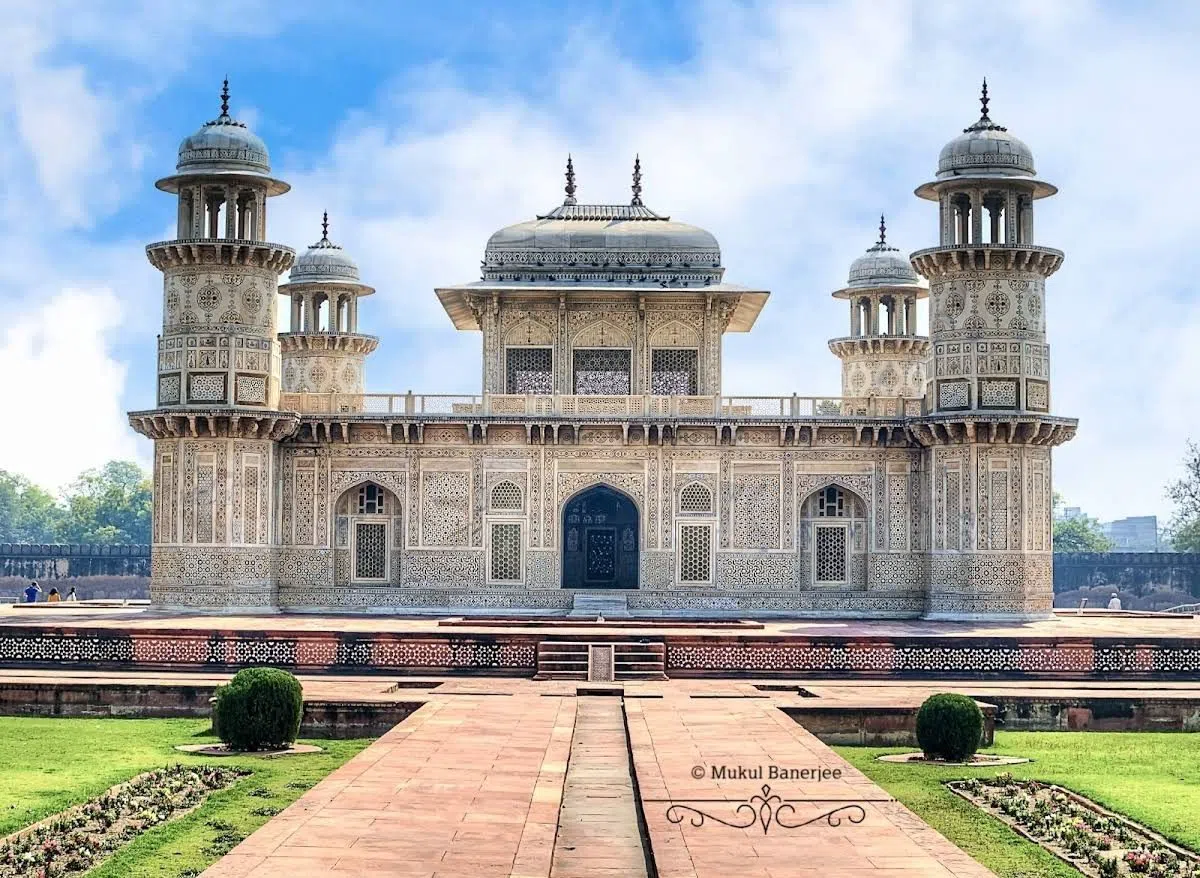
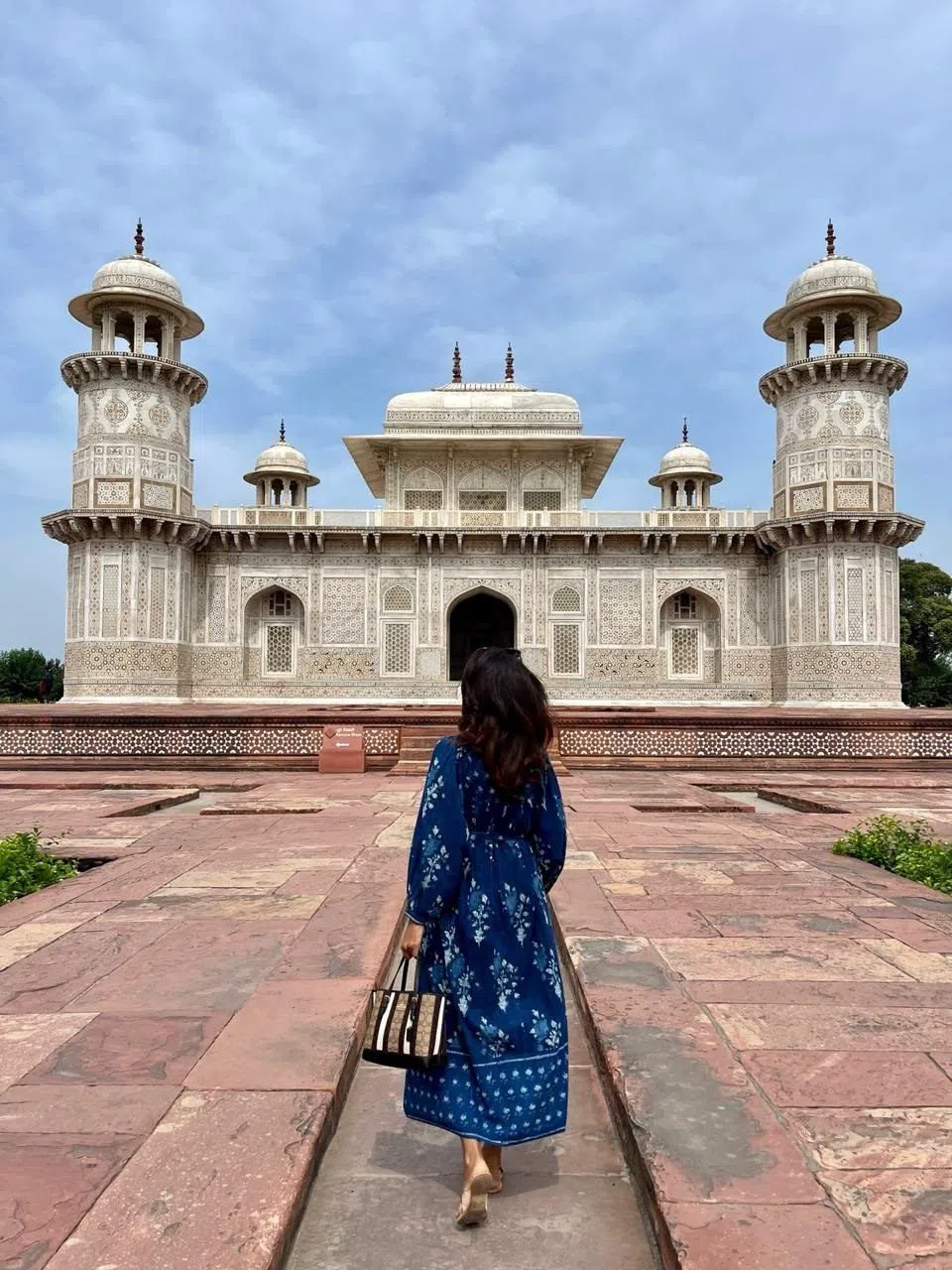
On the same bank, ten minutes from the Taj by car and five from the fort, the Tomb of I'timad-ud-Daulah (Moti Bagh, left bank) is where the marble inlay work the Taj later scaled up was first done. It is small, it is rarely crowded, and there is no rope line, so you can get close enough to see how the stone is cut and set. ₹310 for foreign visitors, ₹30 for Indian nationals. Groups fit comfortably. Half an hour is enough; an hour is better if anyone in your party cares about craft.
String the two together in one late afternoon, tomb first and garden for sunset, and you have the best-value half day in the city.
Two open-air trips that only work in the cool months
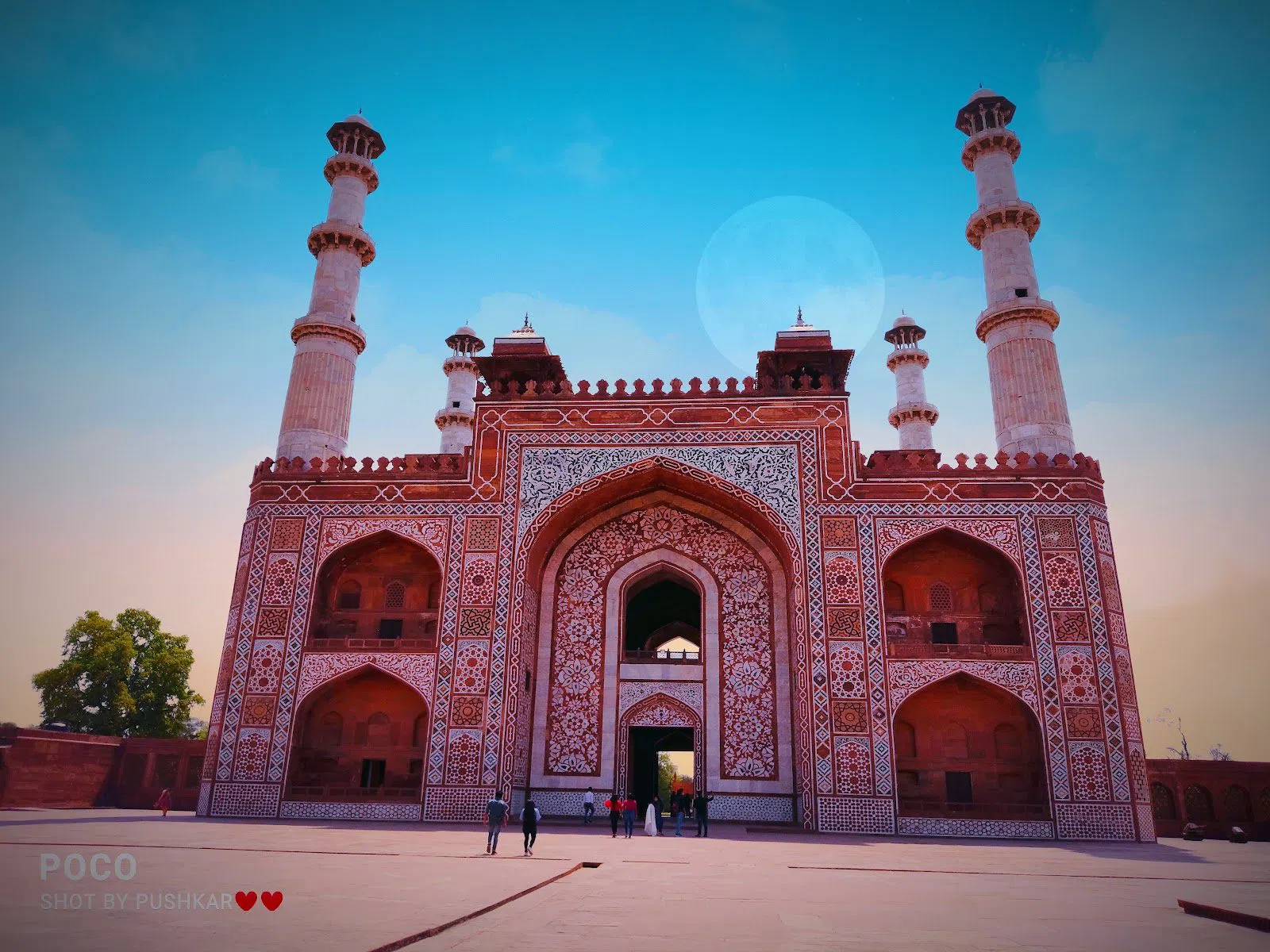
Akbar's Tomb, Sikandra (8–10km northwest of the centre) is enormous and almost entirely outdoors: a walled garden with a red sandstone gateway and deer wandering the lawns. That is why it belongs to October and not to a 40°C afternoon. Open daily, sunrise to sunset, ₹310 for foreign visitors and ₹20 for Indian nationals. No tripods and no large bags. It is quiet in a way the central monuments never are, and a coach party disperses into the grounds within minutes.
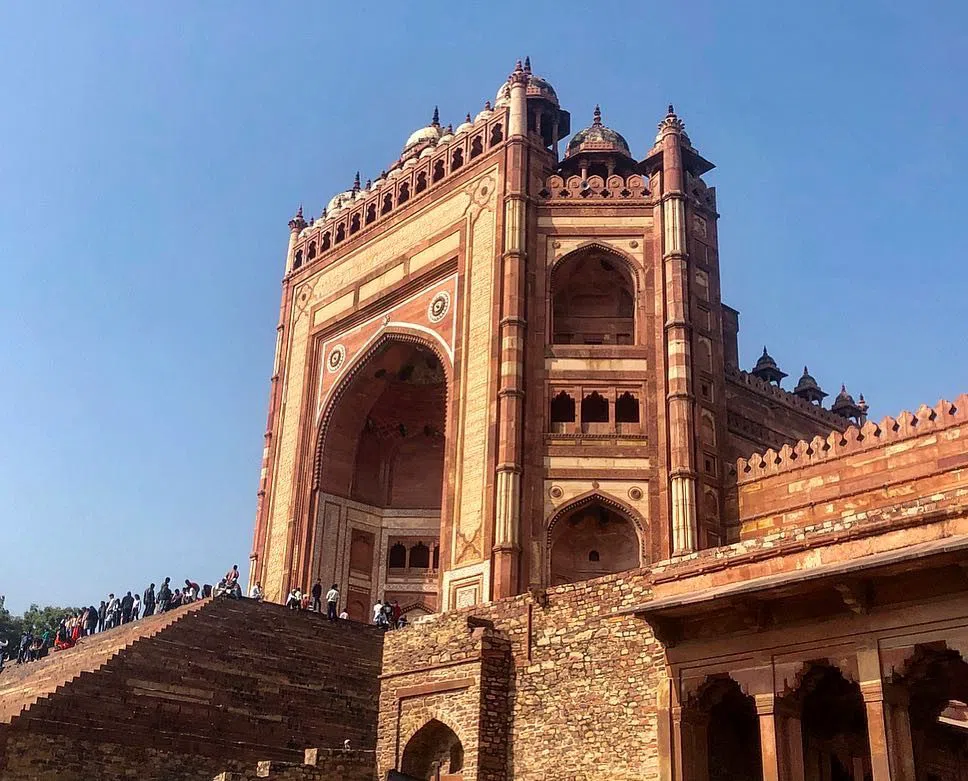
Fatehpur Sikri (40km west, an easy half-day) is the same case at greater scale. The abandoned Mughal capital is open daily from 6am to 6pm, ₹610 for foreign visitors and ₹40 for Indian nationals, and it is shadeless from end to end: courtyards, terraces, open sandstone. In August it is punishing; in October it is one of the best walks in the region. Guides are available on site and worth taking, because the layout only makes sense with someone explaining it. Be firm with the unofficial "guides" who attach themselves to visitors in the mosque courtyard; a flat no, repeated, works.
A car and driver from Agra runs ₹3,000–4,000 for the trip. Leave by 7am, be back for a late lunch, and you have not lost the day.
The river and the lake reopen
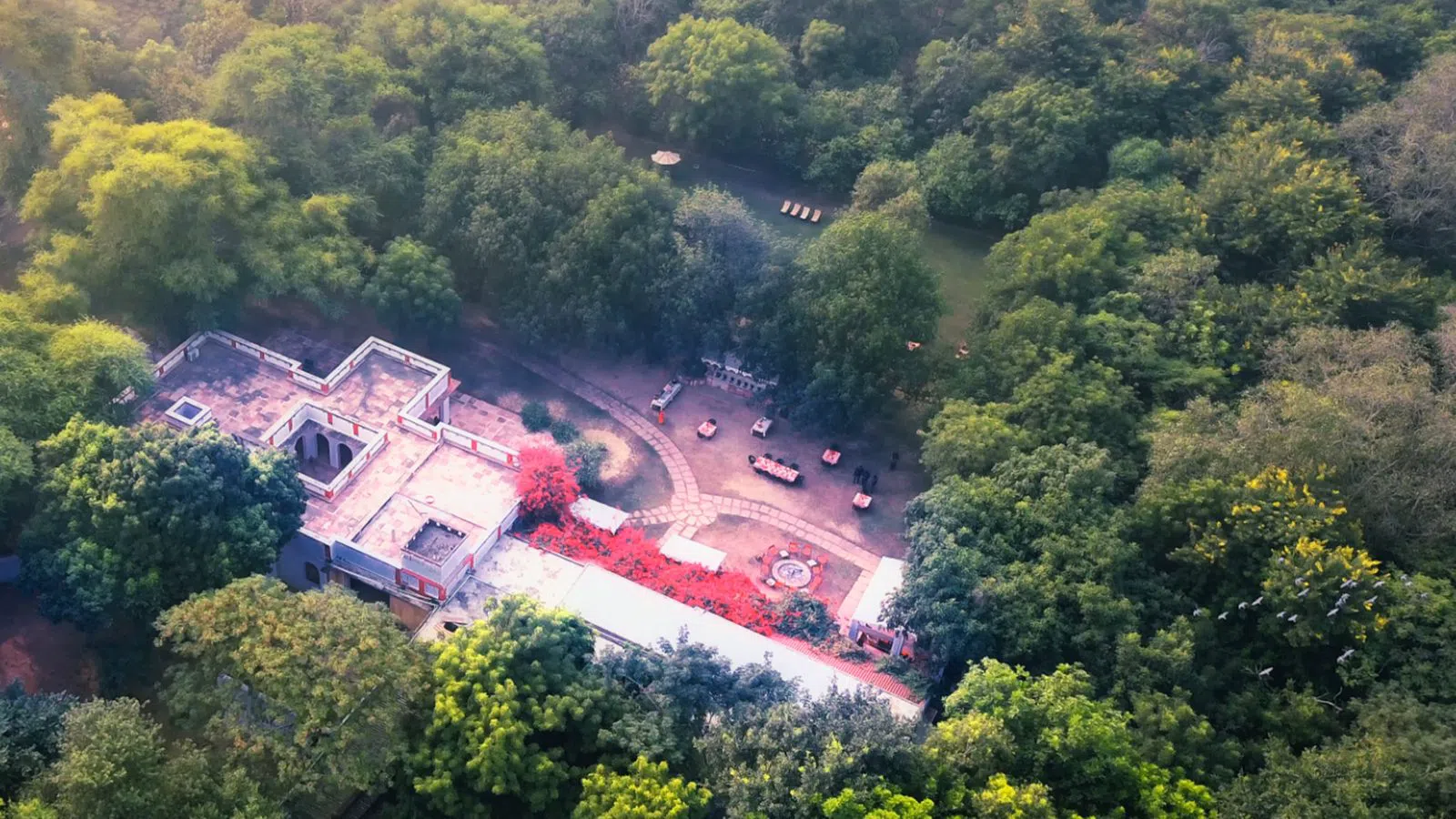
Mela Kothi — The Chambal Safari Lodge (about an hour from the city) is seasonal, and October is when it reopens: the Chambal drops after the monsoon and the boats go back out. The lodge runs boat, jeep, camel and walking safaris with trained naturalists, and the river holds gharial, mugger crocodile, softshell turtles and, with luck, Gangetic river dolphin. It is upper-mid to premium, priced full-board, and day safaris can be booked separately, with day trips from Agra starting around ₹3,500 per head. Book ahead; the season runs October to April and the lodge is not large enough to absorb walk-ins. Groups are taken, but a couple gets more out of it, because the smaller the boat the quieter it is.
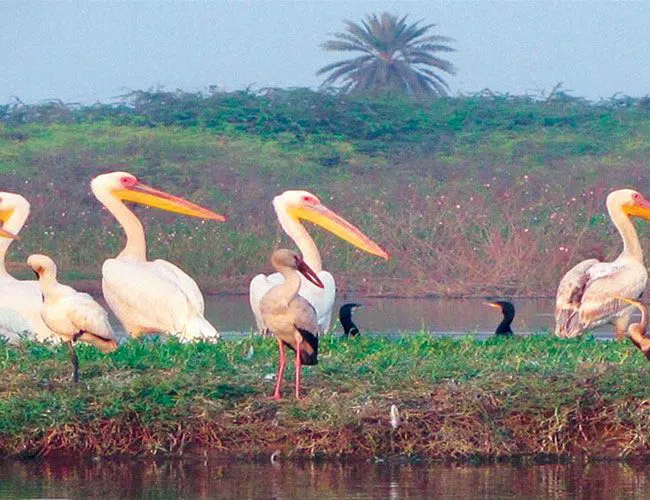
Soor Sarovar Bird Sanctuary (Keetham Lake) (about 20km out on the northern highway) is the cheaper version of the same idea. October is the front edge of the migration: over 165 species use the lake and roughly 30,000 waterbirds pass through on the Central Asian flyway across the winter. Entry is nominal, roughly ₹50–200, and a car from the city is ₹1,500–2,500. Go at first light. By mid-morning the water is quiet and the heat has come up. It takes groups without any arrangement, but bring your own binoculars.
An hour with the bears, booked ahead
Wildlife SOS — Agra Bear Rescue Facility (on the road out of the city) is the world's largest sloth bear facility and home to the survivors of India's dancing-bear trade. Visiting requires booking by email or phone in advance, since there are only three or four slots a day, and the site is open 10am to 5pm, closed Mondays. Foreign nationals pay ₹500 Forest Department admission, Indian nationals ₹50, and a donation of around ₹1,500 is requested on top.

What you get is a two-hour guided visit to a working sanctuary, walking enclosure perimeters with a keeper explaining rehabilitation. It is not a photo opportunity with animals, and nobody gets to touch a bear. The same organisation runs an Elephant Conservation and Care Centre further along the same road, and both are booked through the single visits desk, so ask about the pair in one email. Groups are accommodated within the slot limits, which is why you cannot leave the booking to the morning of.
Walking the old city again
August humidity keeps most people out of the old city, and October is when walking it becomes reasonable again. SoulWalks (old city, formerly trading as Agra Heritage Walks) runs small-group and private walks of about three hours through the lanes behind Jama Masjid, the spice market and Mankameshwar Temple. The original routes and guides continue under the SoulWalks name, so book through SoulWalks rather than the old Agra Heritage Walks site, which still turns up in search results. The concierge line answers from 6am to 10pm. Pricing is mid-range; comparable Agra heritage walks run roughly ₹1,500–4,000 per person depending on group size.
Take the early slot. The market wakes up around dawn, the lanes are narrow enough that midday sun is not the problem so much as midday traffic, and three hours on your feet is a different proposition at 7am than at noon even in a good month.
Eating out once the evenings turn
Sheroes Hangout (Taj Nagari Phase 1, Tajganj, behind Go Stops Hostel) is run by acid-attack survivors through the Chhanv Foundation, which has operated it since 2014 and now employs 35 or more women across four cities. There are no fixed prices: you pay what you think the meal was worth. It is open 10am to 7pm daily and welcomes groups. Check the address before you set off, because it has moved from the old Fatehabad Road site and plenty of listings still send people to the wrong door.

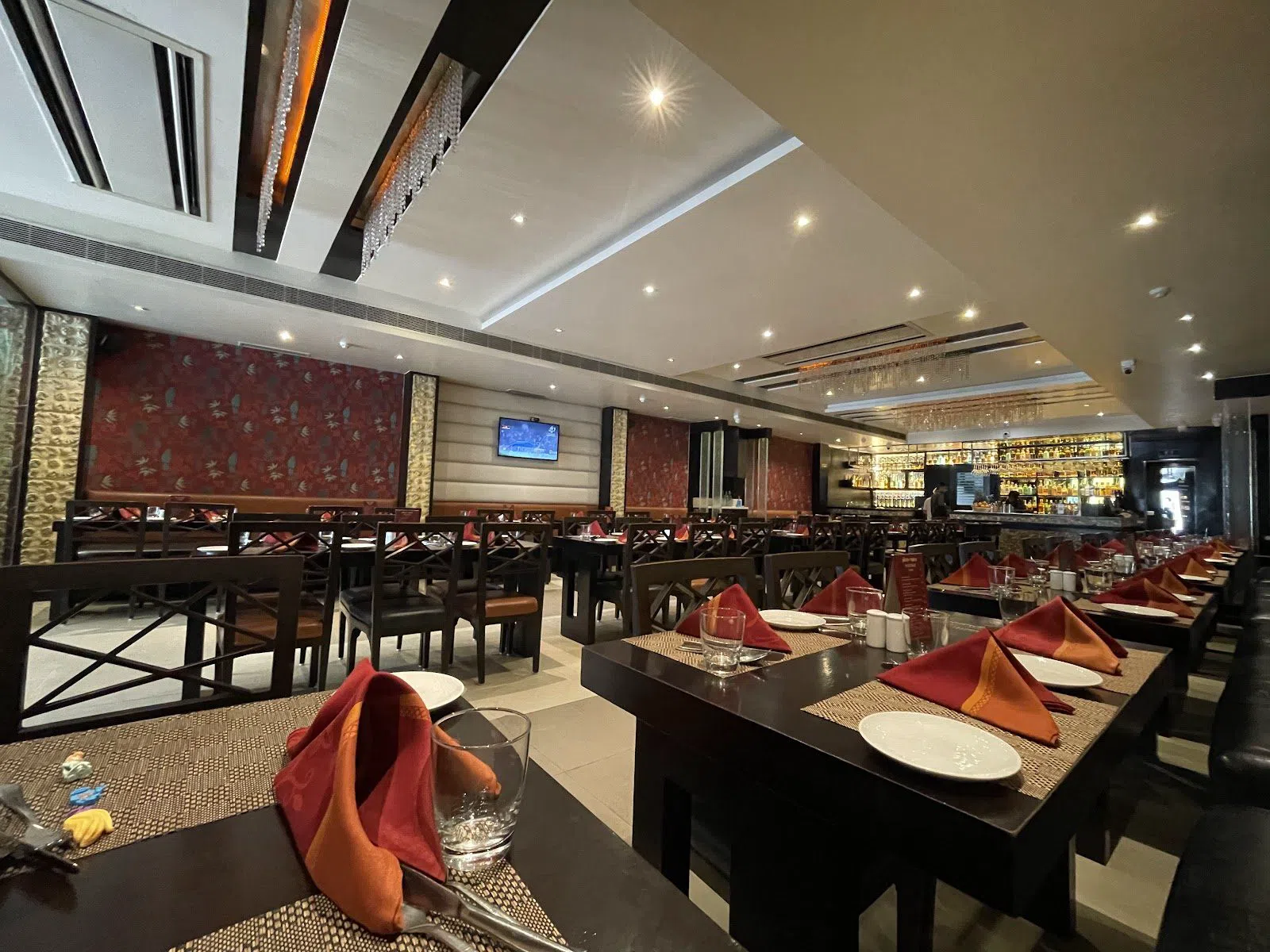
Pinch of Spice (Sanjay Place, Civil Lines, with a second outlet on Fatehabad Road) is the reliable benchmark for Mughlai food here, and butter chicken and lamb curry are what it is known for. Reckon on ₹1,200–1,800 for two, which sits above the local average, and book ahead at weekends. The Civil Lines branch handles large groups routinely; service can wobble when the room is full, and it usually is.

Mama Chicken Mama Franky House (a standing-room grill counter, 1pm–11.30pm) is the non-veg counter locals actually use: tikka, tandoori, franky rolls, ₹300–600 for two. There is no table service and no reservation. You order, you stand, you eat. That works for two people and it works for a group willing to eat on their feet, and eating outdoors here is a genuinely different experience once the humidity has gone.
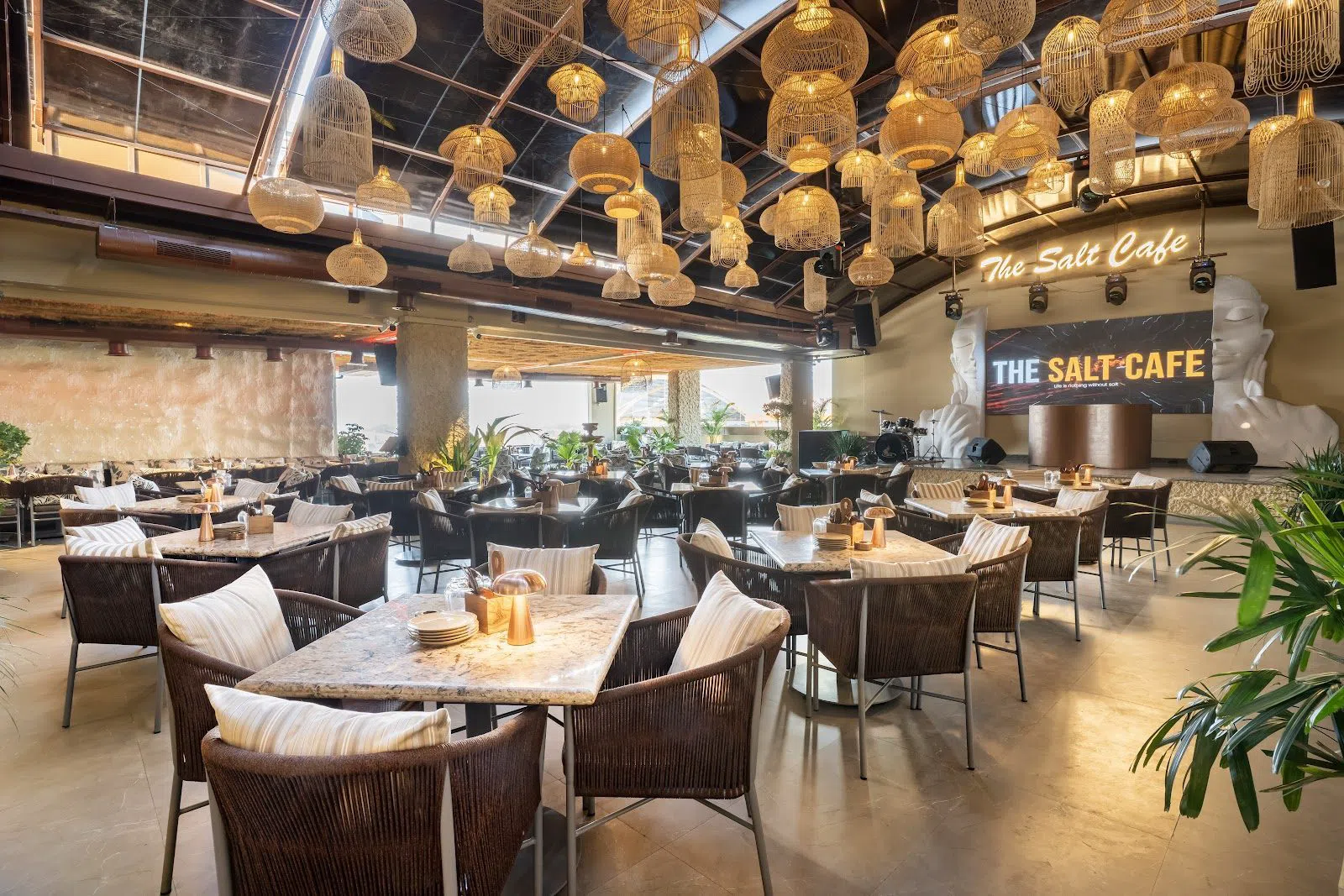
The Salt Cafe Kitchen & Bar (Tajganj, near Crystal Sarovar) is one of the few places in the city with a proper bar, a rooftop and a private lounge area. It takes groups and gets lively in the evening. Reviews split on the service, fairly enough. Go for the terrace, the Taj view and a drink, and treat the food as secondary. Rooftop seating only becomes comfortable again around now.
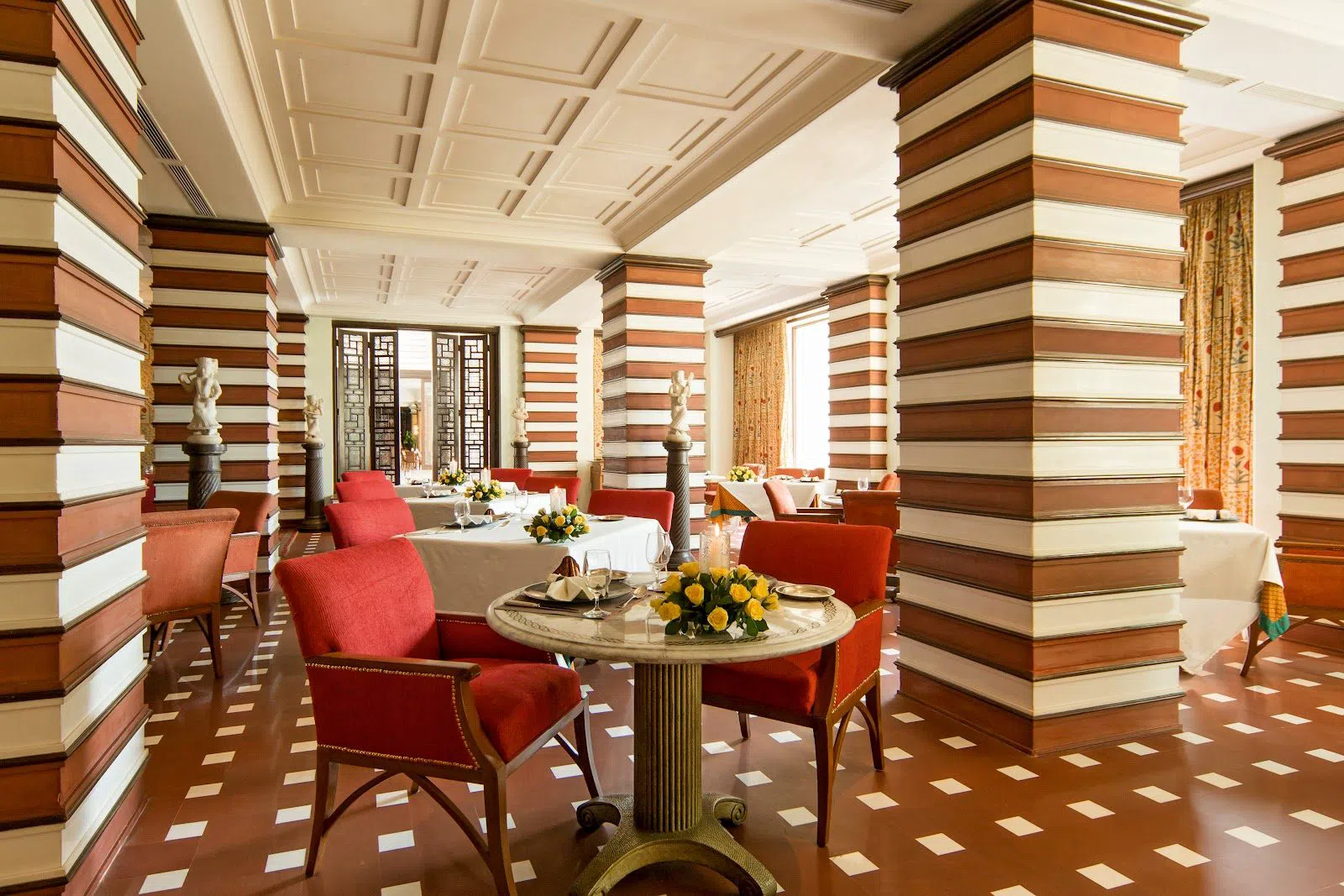
Esphahan, The Oberoi Amarvilas (Tajganj) is the top of the city's dining range: tandoor cooking off Mughal court recipes, live santoor, and two sittings only, at 7pm and 9.30pm. Reservations are essential and walk-ins do not work, so even a small group needs to book well ahead. This is a plan-ahead dinner for a couple or a table of four, not a solution to a hungry evening.
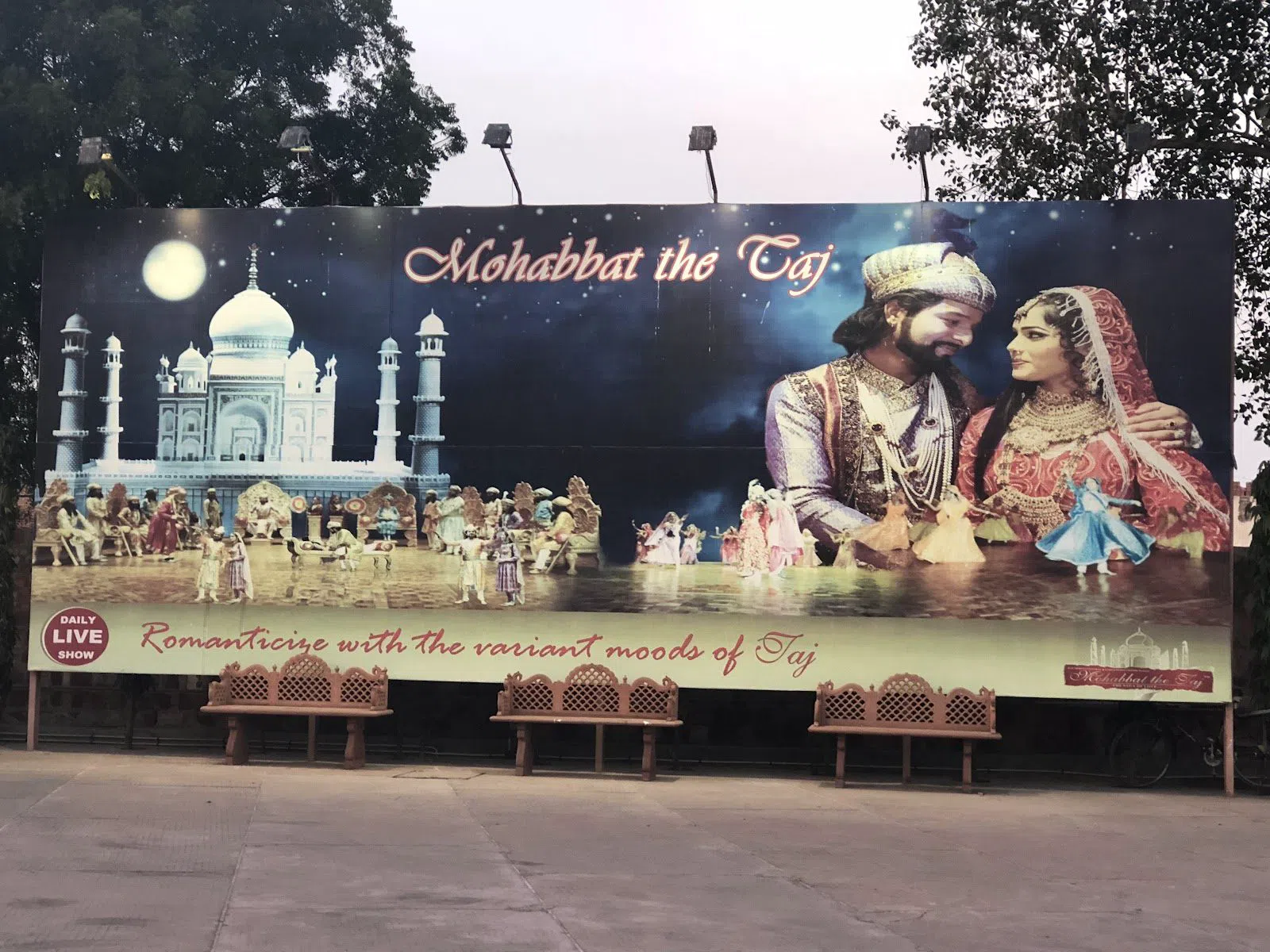
Agra closes early, and the gap between sunset and sleep is real. Kalakriti Cultural & Convention Centre (a purpose-built theatre, coach-friendly) fills it with "Mohabbat the Taj", 80 minutes on the story behind the monument. Doors around 6.30pm for a 7.30pm start, no morning shows, ₹500–1,500 depending on seating tier. Live translation headsets in ten languages make it workable for a mixed international group, which is exactly who it is built for.
Practical notes
Transport. A car and driver for a full day inside the city runs well below the ₹3,000–4,000 you will pay for Fatehpur Sikri; the out-of-town sites (Keetham Lake at ₹1,500–2,500, the Chambal lodge at an hour's drive) are effectively car-only. Autos handle short hops between Tajganj, the fort and the left-bank tombs. Fix the fare before you get in.
Cash and cards. Book Taj tickets and night viewing through the ASI portal in advance. Carry cash anyway: entry at the smaller sites, guide fees, autos, the Wildlife SOS donation and Sheroes all go more smoothly with notes, and small denominations matter more than the total.
Timing. The Taj is shut on Fridays; Wildlife SOS is shut on Mondays; the Chambal lodge is only open from this month. Mornings belong to the monuments, late afternoons to Mehtab Bagh, evenings to Tajganj. Two full days covers the core; three lets you add the river or the lake without rushing.
Budget. A foreign visitor doing the Taj with the mausoleum, the fort, both left-bank sites and one day trip will spend roughly ₹3,500–4,000 on entry alone, before transport. Dinner runs from ₹300 for two at a counter to a serious bill at the Oberoi.
For where to base yourself, Tajganj for walking distance to the gates or Fatehabad Road for the larger hotels, start with the Agra hotel search, and the rest of the city, season by season, is in the Agra guide.
Before you go
Is October a good month to visit Agra?
Yes, and it is the first properly comfortable one after the monsoon. Highs sit in the low-to-mid 30s°C with nights near 20°C, the humidity breaks from around the tenth of the month, and the post-monsoon air means the Taj Mahal reads white rather than through haze. It is also the only time the Yamuna is still full enough to give you a reflection from Mehtab Bagh.
Is the Taj Mahal closed on Fridays?
Yes, all day Friday, apart from prayers. Agra Fort is open all seven days and is ₹600 for foreign visitors on Fridays rather than ₹650, so Friday is the day for the fort, the Tomb of I'timad-ud-Daulah and Akbar's Tomb at Sikandra.
What do Agra's monuments cost for foreign visitors?
Taj Mahal ₹1,100 for the main complex, plus ₹200 to enter the mausoleum (₹1,300 all in), under-15s free. Agra Fort ₹650 on weekdays, ₹600 on Fridays. Tomb of I'timad-ud-Daulah and Akbar's Tomb ₹310 each, Mehtab Bagh ₹300, Fatehpur Sikri ₹610. The ₹500 ADA component paid at one site covers the others the same day.
How do I book Taj Mahal night viewing?
Through the ASI portal, seven days ahead. Viewing runs on only five moonlit nights a month, with 400 tickets released in eight batches of 50, at ₹510. They sell out quickly, so treat it as a bonus if your dates line up rather than something to plan the trip around.
How many days does Agra need in October?
Two full days covers the Taj at sunrise, Agra Fort, the left-bank tombs and Mehtab Bagh at sunset, plus a Fatehpur Sikri half-day. A third day lets you add the Chambal Safari Lodge or Soor Sarovar at first light, or a booked morning slot at the Wildlife SOS bear facility. None of those work well until the humidity has gone.