The Agra issue
Delhi to Agra and Back Without Rushing the Taj
A workable one-day plan for the Taj Mahal, Agra Fort and the river-bank gardens, with the train times, ticket slots and commission traps that decide whether the day works.

By Matteo FerraroAgra is a Mughal city, not a single monument
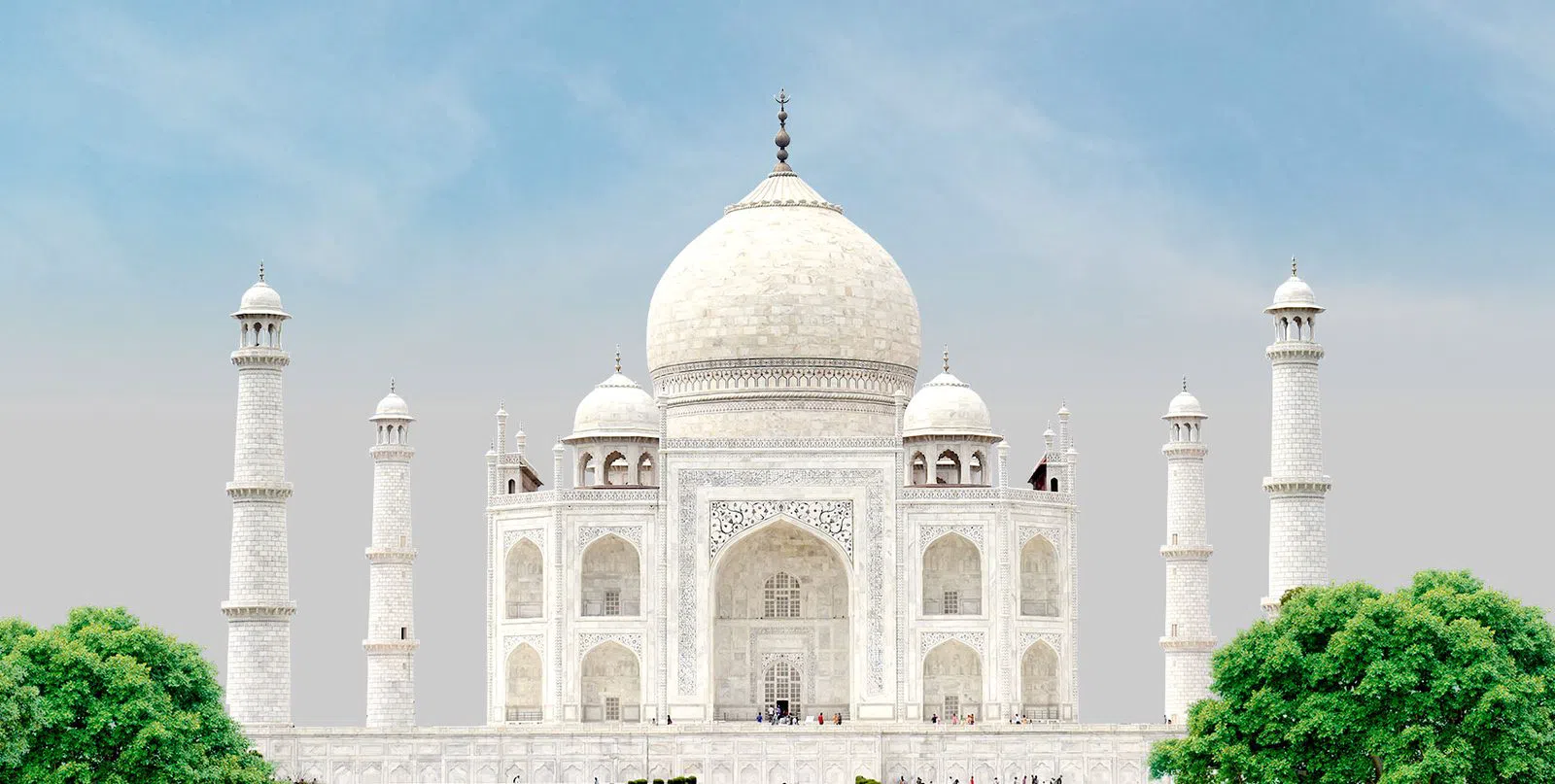
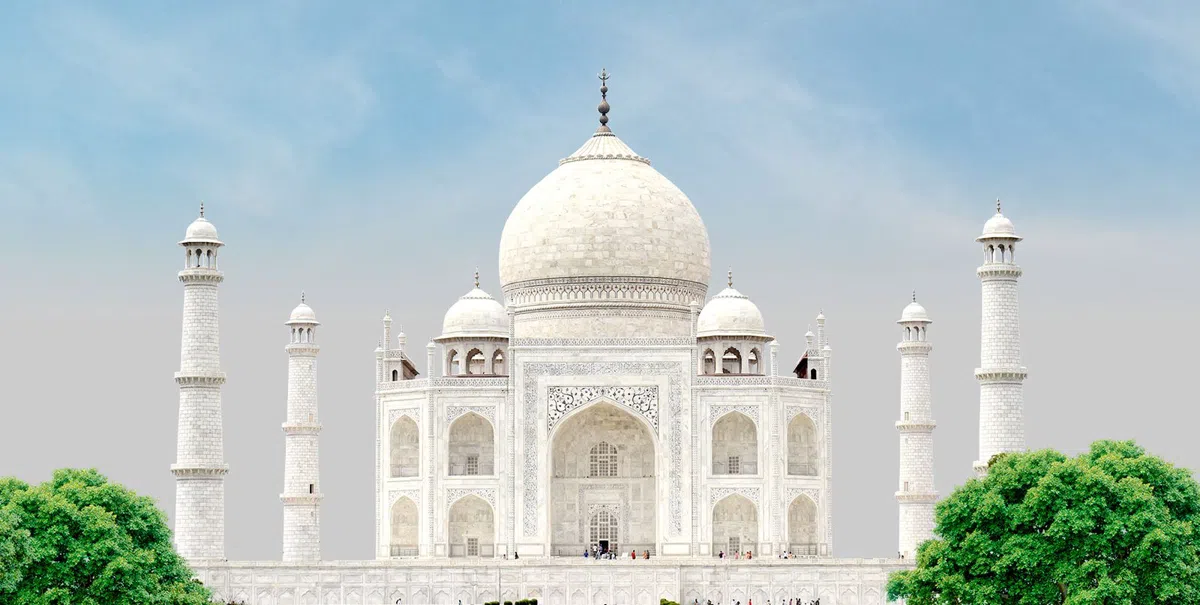
Agra Cantt station sits about eight kilometres from the Taj Mahal's western gate, close enough that a day out of Delhi works and far enough that the day collapses if you improvise. Almost every failed version of this trip fails on the same two things: a Friday, when the mausoleum is shut, and an afternoon handed to a driver who earns more from a marble showroom than from your fare. Plan around those, book two things in advance, and the day turns from a forced march into something unhurried enough that you sit down twice.
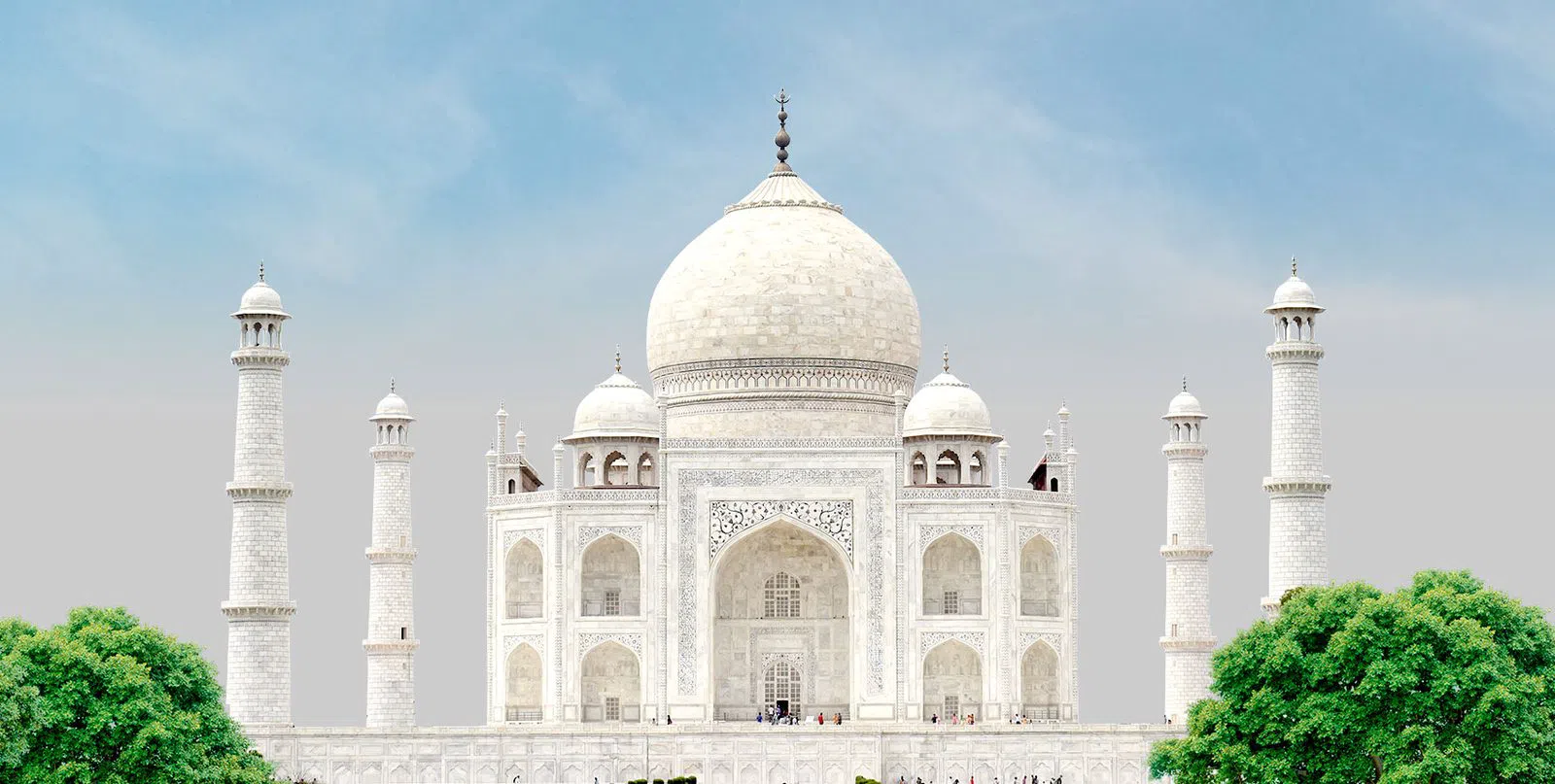
Pick the train first, then build the day around it
The fast train is the Gatimaan Express from Hazrat Nizamuddin, which leaves around 08:10 and reaches Agra Cantt shortly before 10:00; the standard return out of Agra is the 17:50, back in Delhi in the evening. Confirm both times when you book rather than trusting a printed itinerary. Timings move with the seasonal timetable, and the whole plan hangs off them.
An earlier Shatabdi from New Delhi station gets you into Agra soon after 08:00 and buys you two extra hours, which is the difference between seeing three monuments properly and seeing five in a hurry. In the busy months from November to February, reserved seats go weeks ahead; book the return leg at the same time as the outbound, because a late-afternoon walk-up on a Saturday is not a plan.
Driving is the alternative, and it is worth it for exactly two reasons: it lets you stop on the road, and it makes Fatehpur Sikri possible. The Yamuna Expressway runs about three to three and a half hours in clear traffic, so a car day starts before 06:00 or it does not start at all. Fix the fare, the tolls and the route in writing before you leave, and state plainly that there are no shopping stops. Say it once, at the start, and you will not have to say it again at 15:00 when you should be at a garden.
Plan your Agra trip
Live prices from our booking partners.
Free cancellation on many rooms. We may earn a commission when you book.
The one date that ruins the trip
The Taj Mahal closes every Friday. This is the most common trip-ruining mistake and it is entirely avoidable, so check the day of the week before you buy anything else.
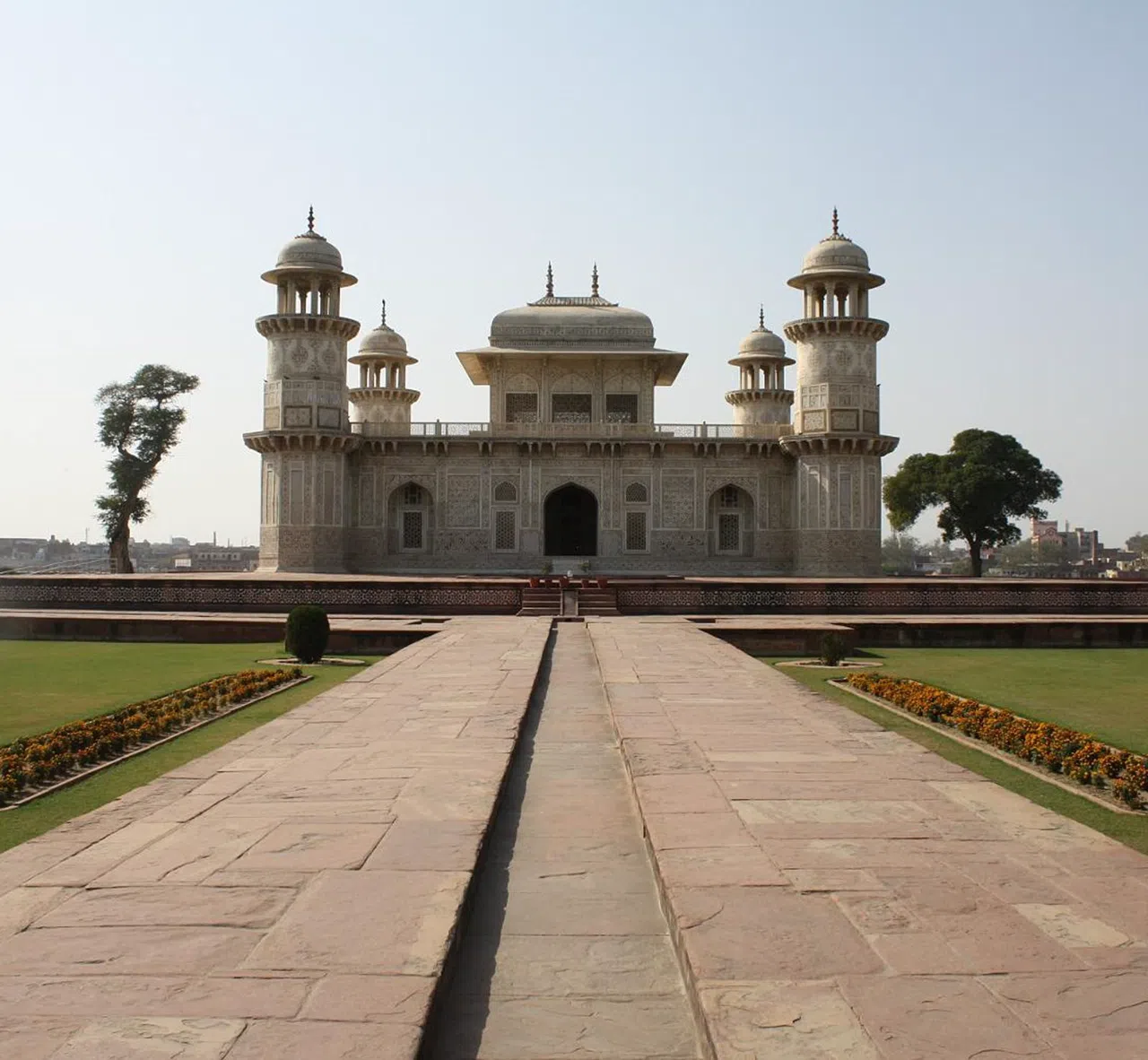
If you are locked into a Friday, the day is still salvageable, because nearly everything else stays open. Agra Fort (Rakabganj, on the river a couple of kilometres upstream) runs seven days a week and even drops its foreigner ticket from ₹650 to ₹600 on Fridays. Mehtab Bagh (Nagla Devjit, on the north bank) opens daily with no time slots. So do the Tomb of I'timad-ud-Daulah, known to every driver as the Baby Taj (east bank of the Yamuna), and Fatehpur Sikri, 40km west. A Friday in Agra is a real day out; it just is not a Taj day.
Book the Taj slot before anything else
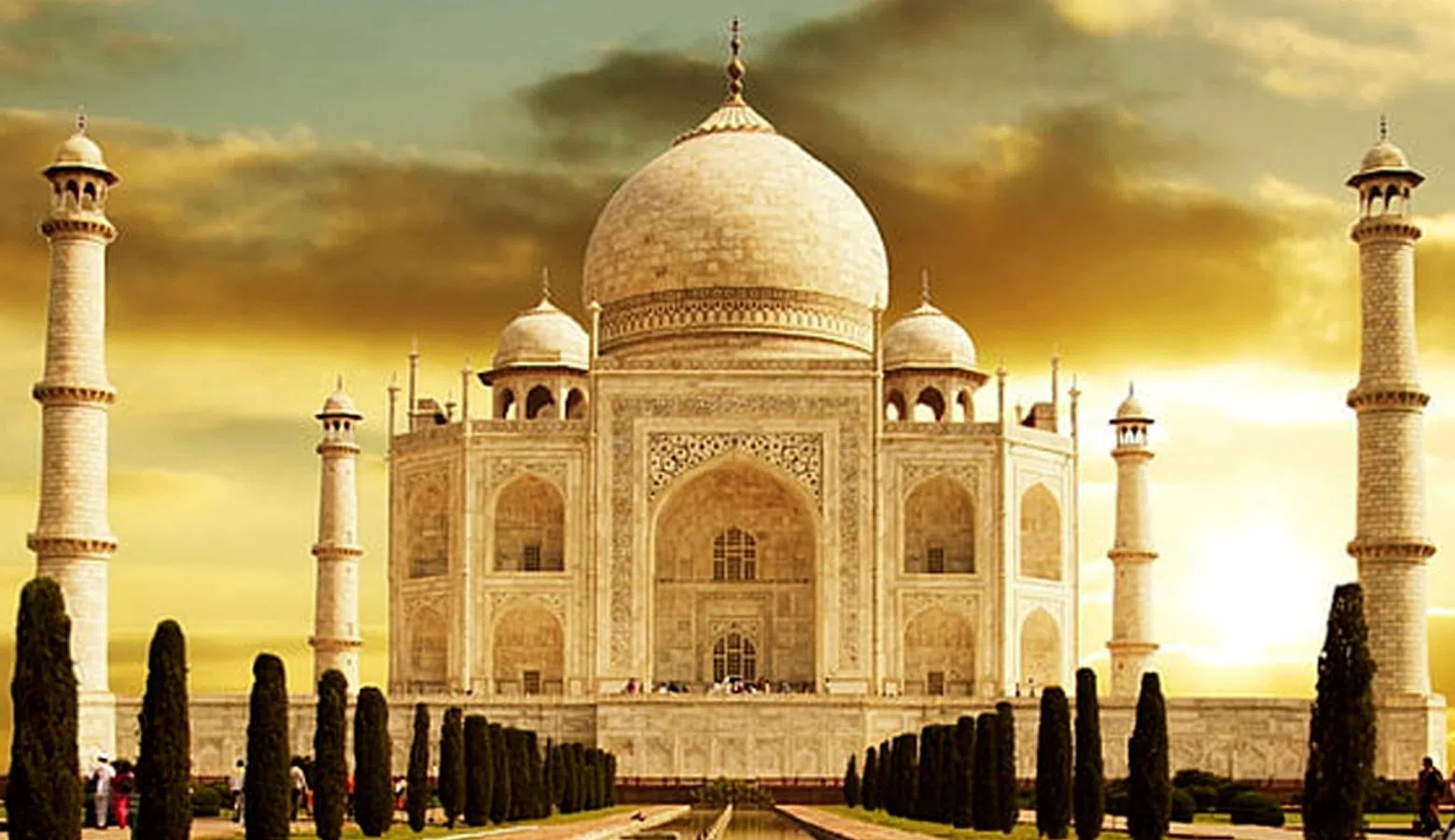
The ASI e-ticket is per person and comes with a three-hour slot. Take one that starts before 09:00. Light is better, heat is lower, and you are inside the complex while the coach parties are still on the expressway. Foreigners pay ₹1,100 for the complex plus ₹200 if you want to enter the mausoleum chamber itself; Indian nationals pay ₹50 plus the same ₹200; under-15s go free. Booking online takes ₹50 off, and shoe covers are included with the ticket, so you do not need the ones being sold outside.
Entry is through the Western or Eastern gate. Guided groups queue in the same security lines as everybody else, so a guide buys you context, not a shortcut, and anyone at the roadside promising to skip the line is selling something that does not exist.
The ₹200 chamber ticket buys a small, dim, crowded octagonal room where you shuffle past the cenotaphs in a few minutes. It is the only way to see the inlay at arm's length, which is the argument for it. If you have a young family or a tight slot, spending that time in the gardens and on the river terrace instead is a defensible call.
The Fort, the Baby Taj and the north bank
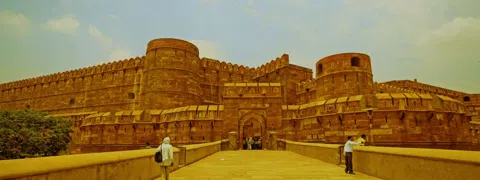
Agra Fort is the obvious second stop, and on a Friday it is the stop that saves the trip. Licensed guides wait at the Amar Singh Gate ticket line, which is the right place to hire one; the courtyards do not explain themselves. What you have come for is the Musamman Burj, the marble pavilion looking downstream at the Taj. That view, and the reason Shah Jahan spent his last years in front of it, is the substance of the visit. Indians pay ₹50, under-15s free. Allow ninety minutes.
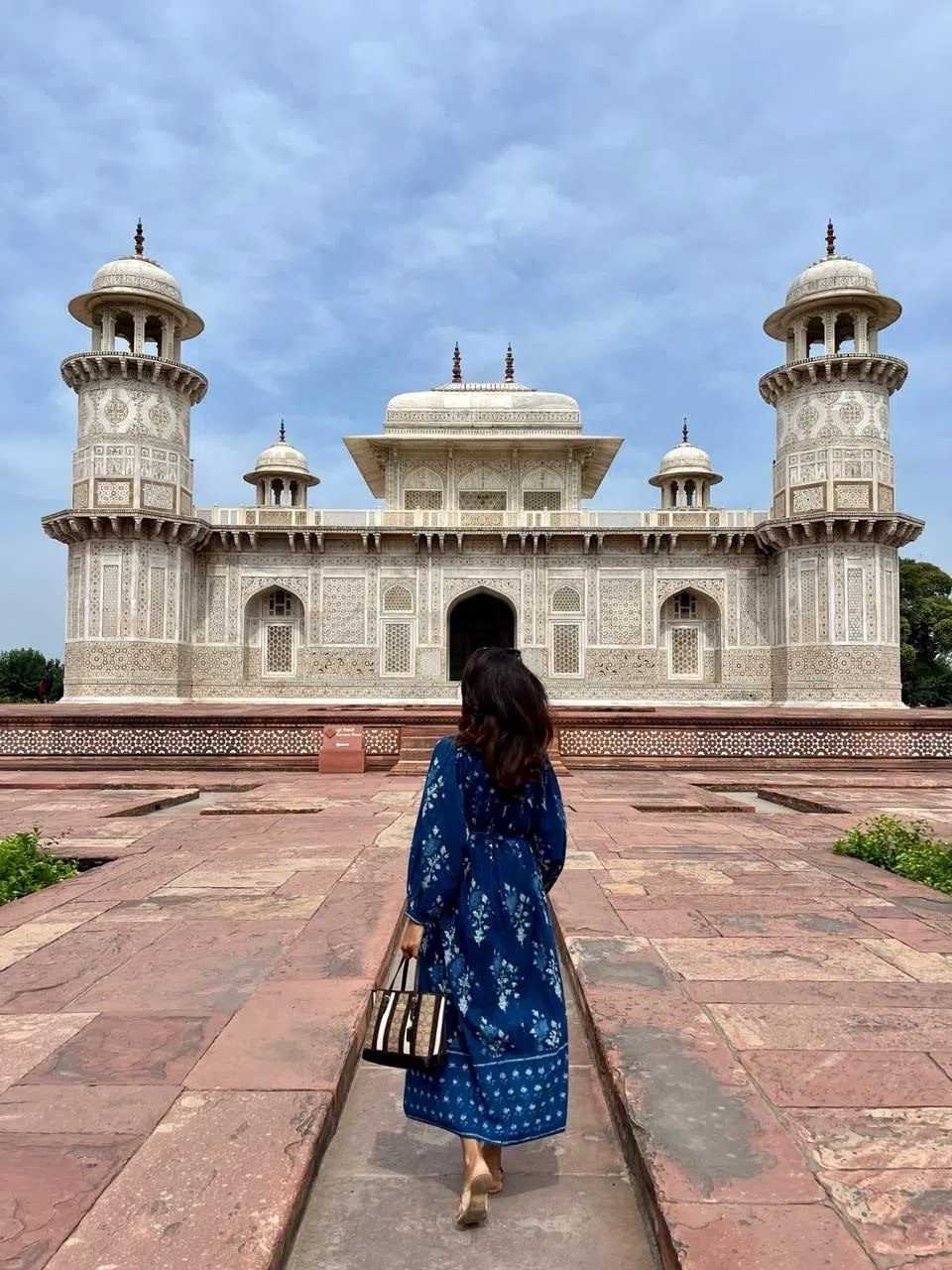
The Baby Taj is open daily from 06:00 to 18:00, costs ₹310 for foreigners and ₹30 for Indian nationals, and is never crowded. There is no slot system; you walk in. Forty minutes here is the best-value time in Agra, and there is a practical reason to go: this is where you learn to read pietra dura inlay, the difference between stone set into stone and paint, before anyone tries to sell you a tabletop.
End at Mehtab Bagh. Arrive 60 to 90 minutes before sundown and you get the Taj from directly across the water, with the crowd thinning as the light goes. Tickets are ₹300 for foreigners, ₹25 for Indian nationals, sold only at the counter, so carry cash or a card that works at a window; there is no online booking. Coaches and groups park at the gate, so it fills briefly at sunset and empties fast.
Fatehpur Sikri only fits a very early start
Fatehpur Sikri adds 40km each way and roughly three hours all in, so it fits a car day that begins before 06:00 and almost nothing else. Foreigners pay ₹550 to ₹610, Indian nationals ₹35 to ₹50, and the audio guide is around ₹150 and does an honest job.
A shuttle bus runs from the lower ticket office up to the gate. Hire guides only at the authorised Shahi Darwaza entrance. The men working the car park are not accredited and they are persistent, and this is the one site on the itinerary where that pressure wears you down. Buy at the official window, walk past everyone else, and the place is one of the more complete Mughal cities you will ever stand in.
What you can do on the road itself
Akbar's Tomb, Sikandra sits on the Delhi road at the northern edge of the city, which makes it the one monument you can fold into the drive in or out without a detour. It is open sunrise to sunset daily, costs around ₹310 for foreigners and ₹35 for Indian nationals, under-15s free, and it is big enough to absorb a coach party without feeling busy even in peak season. Thirty to forty minutes is enough.
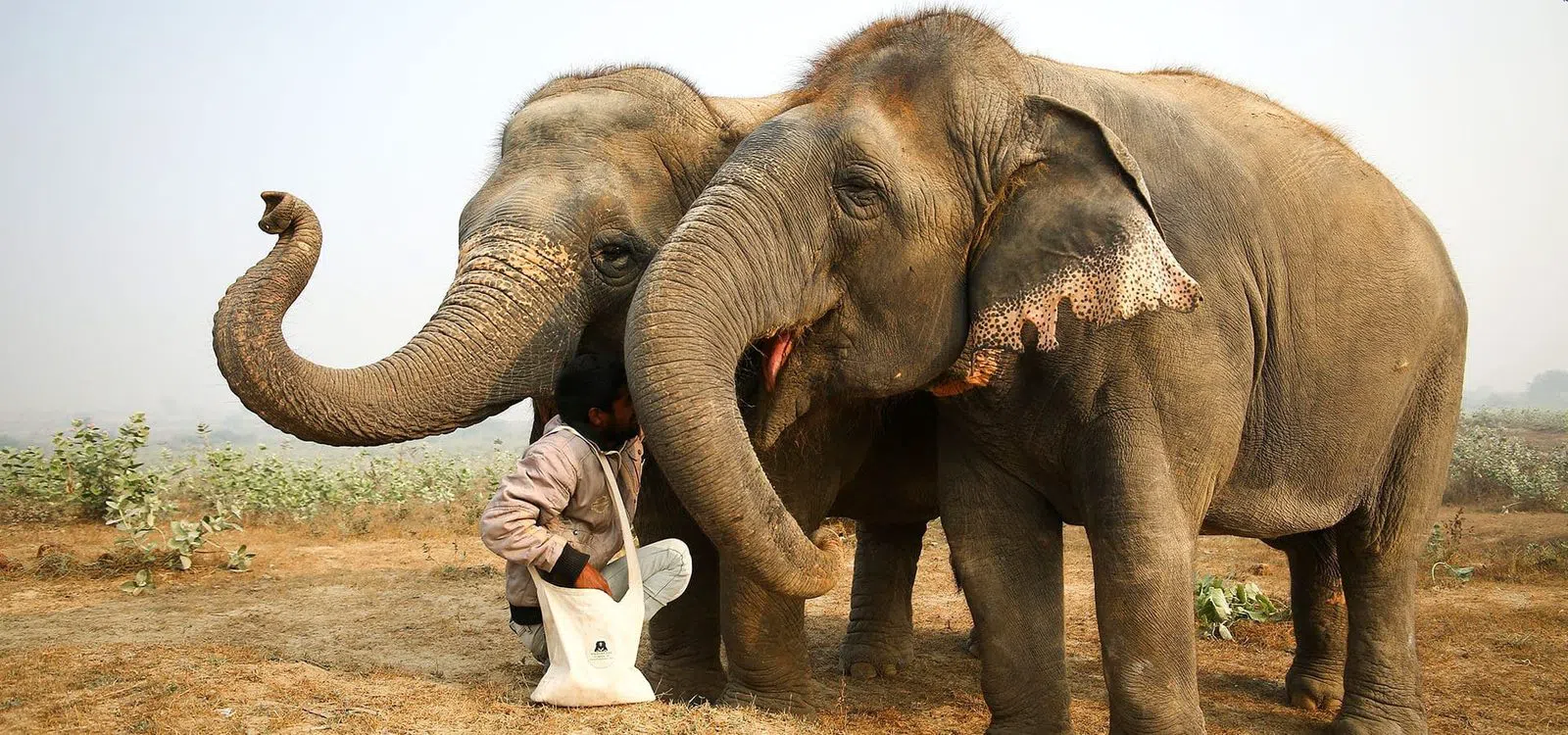
If you are driving, the Wildlife SOS Elephant Conservation and Care Centre (Churmura, right beside the Yamuna Expressway) is the only en-route stop that earns its place. It is appointment-only, booked online in advance, with limited numbers per guided slot and a cost of roughly ₹1,500 to ₹3,000 per person. It is a no-riding, no-bathing centre, which is the point, and the reason to decline the elephant offers you will get in Agra itself.
Lunch that nobody earns a commission on
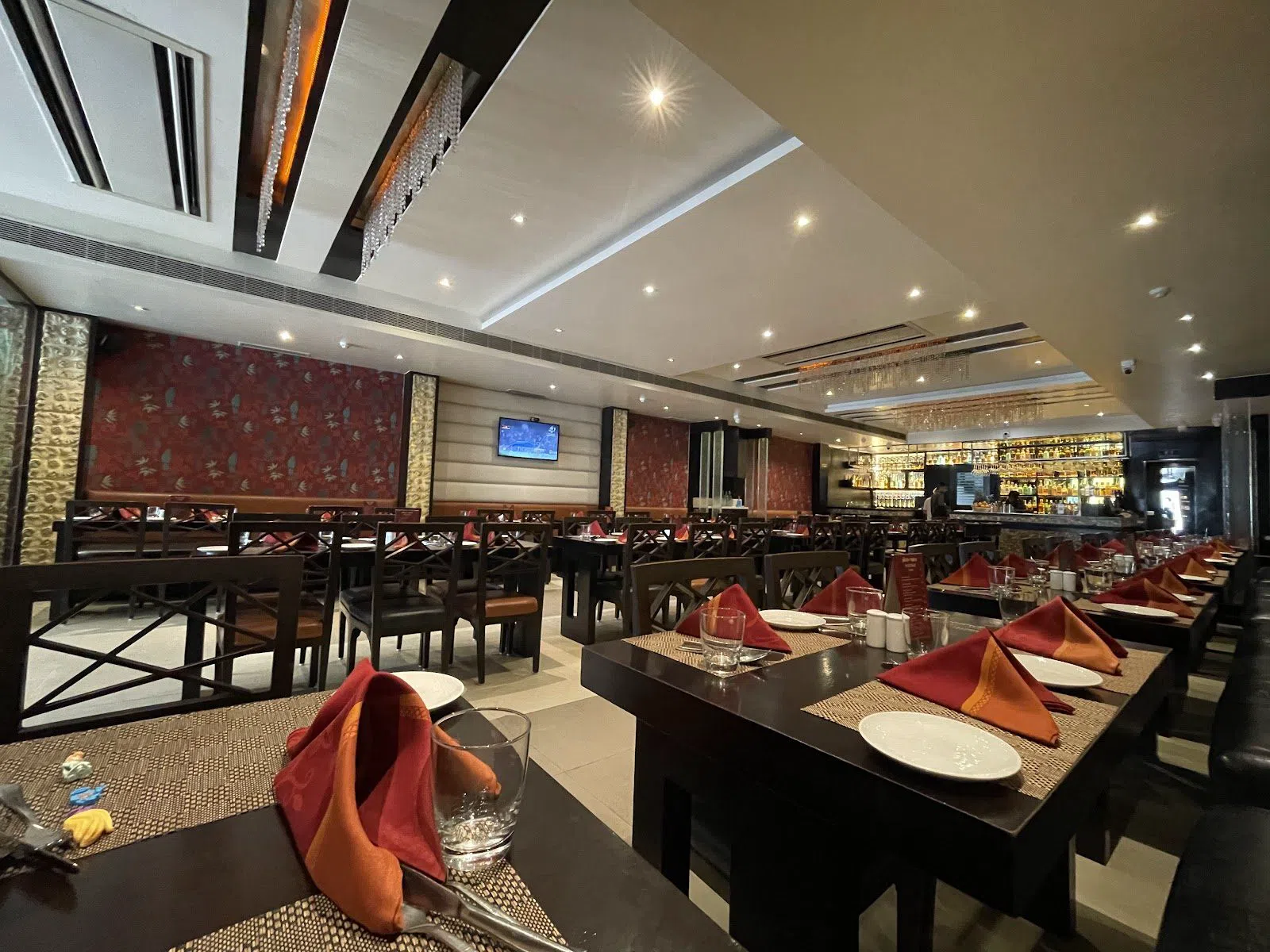
Pinch of Spice (Fatehabad Road, five minutes from the Taj's eastern approach) is the reliable mid-range option: a large North Indian restaurant that seats tour groups without fuss, open daily until 23:30, ₹800 to ₹1,500 a head. Book ahead for the 13:00 to 14:30 peak. No driver earns anything by taking you there, which tells you something.
Sheroes Hangout (Fatehabad Road, ten minutes from the Taj's east gate) is run by the Chhanv Foundation and staffed by survivors of acid attacks, with profits funding surgeries. It is pay-what-you-feel; ₹200 to ₹400 covers a proper lunch. Open daily 10:00 to 19:00, walk-in, but the room is small, so call ahead for anything over eight people. Go for the food as well as the cause, because it is decent.

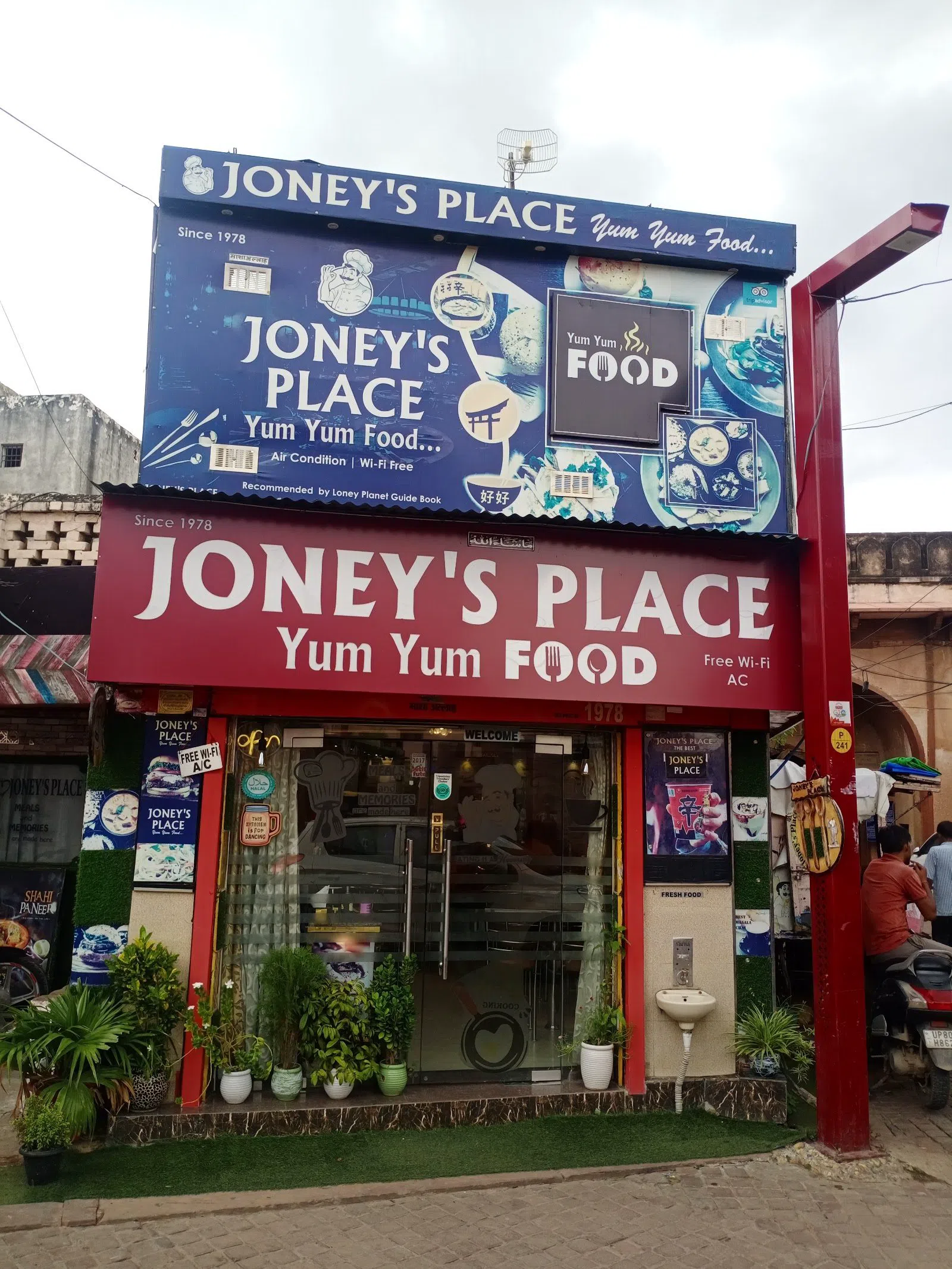
Joney's Place (Taj Ganj, a short walk from the south gate) opens at 06:00, which makes it the natural breakfast after a sunrise slot. It is tiny, fine for two to four people, and the kitchen is one or two hands, so service is slow. ₹150 to ₹400 a head. Do not eat here against a train departure.
Guides, touts and the marble question
If you want a guide who is not attached to a shop, Soul Walks (walks start in and around Taj Ganj) is the straightforward answer. It rebranded from Agra Heritage Walks with the same guides and the same routes, runs private and small-group walks capped deliberately low, and costs roughly ₹1,500 to ₹3,500 per person depending on the walk. Book through their site rather than at a gate. Their artisan visit is a working workshop, not a showroom with a sales desk at the end.
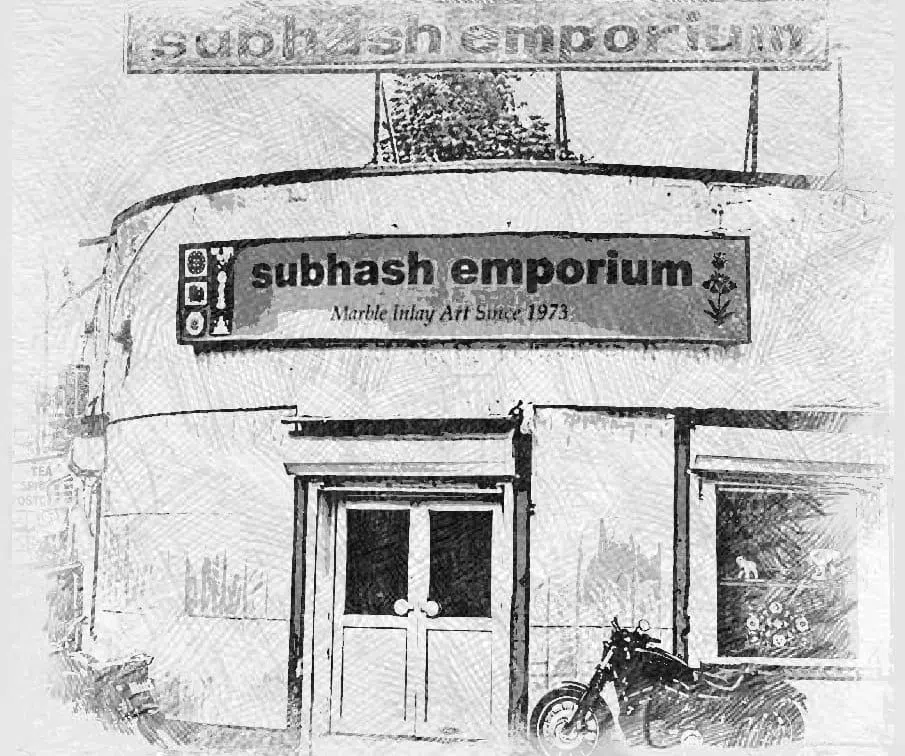
On marble: if you want to buy, go to Subhash Emporium (Gwalior Road) under your own steam. They are open daily 10:00 to 19:00, take groups, and state openly that buyers who arrive independently get a better price than those delivered by a guide, because the commission is typically around 40% and it is coming out of your money either way. Coasters start near ₹1,500; tabletops run into lakhs. If you do not want marble, say so once and do not negotiate.
For Panchhi Petha (nine branded outlets, including Sadar Bazaar), the rule is similar. It has been the city's signature sweet since 1926, a box runs ₹150 to ₹400, and a coach party can be served in minutes. Buy at a listed Panchhi outlet; drivers routinely deliver tourists to shops with near-identical names that pay for the privilege.

If you decide to stay the night
One evening changes the shape of the trip. The Oberoi Amarvilas (Taj East Gate Road) welcomes non-residents at The Lounge, Esphahan and Bellevue, and its terrace is the only place in Agra where you can sit with a full, unobstructed Taj view and a drink in your hand. Afternoon tea is around ₹3,000 per person, dinner at Esphahan ₹6,000 and up; reserve, and note Esphahan is smart-casual and 8+ only. Rooms start around ₹45,000, so a 90-minute stop is the version most people take.
Kalakriti Cultural & Convention Centre (Fatehabad Road) runs 'Mohabbat the Taj' several times nightly in a 500-plus-seat theatre built for coach groups, from about ₹600 to ₹1,000 per person, with e-tickets that skip the counter queue. It fills the dead hour between sunset and dinner, but only if you are staying over: a day-tripper on the 17:50 will not make the 18:30 curtain. For rooms across the price range, start with the Agra hotel search and book something within walking distance of the east gate if you want a second, quieter morning at the Taj.

Practical notes
Train in, train out is the low-stress default; a car is for early starts, Fatehpur Sikri and the expressway stop. At Agra Cantt, use the pre-paid taxi and auto counter rather than the men who meet you on the platform, and agree the full day's stops before you set off. Distances inside the city are short, with the Taj, the Fort and Fatehabad Road all within a few kilometres.
Most ticket counters take cards, but Mehtab Bagh sells only at the window, and UPI or cash is faster everywhere. Carry small notes for shuttle buses, water and the sweet shop.
Book the Taj slot for before 09:00, take lunch at 13:00, and be at Mehtab Bagh 60 to 90 minutes before sundown. Check the day of the week twice. Friday is the Fort, the Baby Taj and the gardens.
For a foreign visitor doing the Taj with the chamber, Agra Fort and the Baby Taj, tickets alone come to roughly ₹2,250, plus ₹300 for Mehtab Bagh; Indian nationals pay a fraction of that. Add ₹800 to ₹1,500 for lunch, a petha box, and transport on top. For everything beyond one day, including where to stay, when to come and what else the city holds, see the full Agra guide.
Before you go
Can you really see the Taj Mahal in one day from Delhi?
Yes, comfortably, if you use the train. The Gatimaan Express leaves Hazrat Nizamuddin around 08:10 and the standard return from Agra Cantt is at 17:50, which leaves roughly seven hours on the ground, enough for the Taj Mahal, Agra Fort, the Baby Taj and a sit-down lunch. Adding Fatehpur Sikri to the same day only works if you drive and leave Delhi before 06:00.
Is the Taj Mahal closed on Fridays?
Yes, every Friday, and it is the most common way a day trip is wasted. Agra Fort stays open seven days and even drops the foreigner ticket to ₹600 on Fridays; Mehtab Bagh, the Tomb of I'timad-ud-Daulah, Akbar's Tomb and Fatehpur Sikri are all open too. Check the day of the week before you book trains.
Do I need to book Taj Mahal tickets in advance?
Book the ASI e-ticket online before anything else. Tickets are per person with a three-hour entry slot, and online booking takes ₹50 off the price. Foreigners pay ₹1,100 for the complex plus ₹200 for the mausoleum chamber; Indian nationals pay ₹50 plus ₹200; under-15s are free. Shoe covers are included.
Does hiring a guide get me past the queue at the Taj?
No. Guided groups go through the same Western or Eastern gate security lines as everyone else, so anyone promising to skip the queue is selling something that does not exist. A licensed guide is worth it for context. Hire one at the official ticket line, or book a small-group walk with Soul Walks in advance.
How do I avoid being taken to commission shops?
State at the start of the day, in writing if you have hired a car, that there are no shopping stops. If you want marble, walk into Subhash Emporium on Gwalior Road independently; they discount buyers who arrive without a guide, because the usual commission is around 40%. For petha, buy only at a branded Panchhi outlet; the soundalike shops nearby pay drivers to bring you.