Agra guards its greatest recipes behind hotel service doors and family stoves that have been simmering since before the Taj Mahal's marble was even finished — the Mughal court's cooks were already perfecting the sealed dum pot, the saffron-heavy biryani, the meat cooked so slowly it falls from the bone before a fork ever touches it. Some of those recipes stayed locked in palace kitchens and only survive today because a hotel decided to rebuild them from scratch; others walked straight out the palace gate with a cook like Haji Karimuddin, who fed an emperor and then went and fed the whole city instead. This is where to actually taste that history in 2026, from the marble dining rooms still built around the imperial table to the dhaba where a plate of galouti kebab costs less than a bottle of water at the Taj gate.
The Palace Kitchens: Where Dum Pukht Still Rules
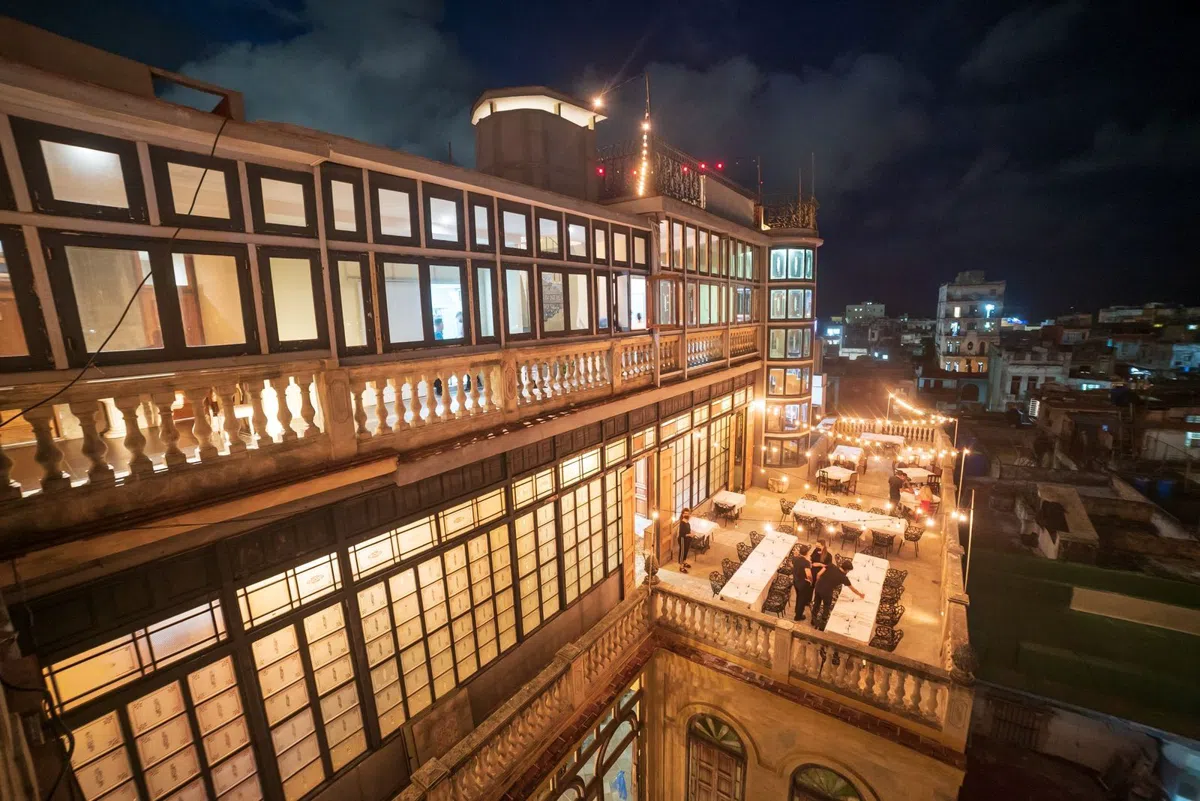
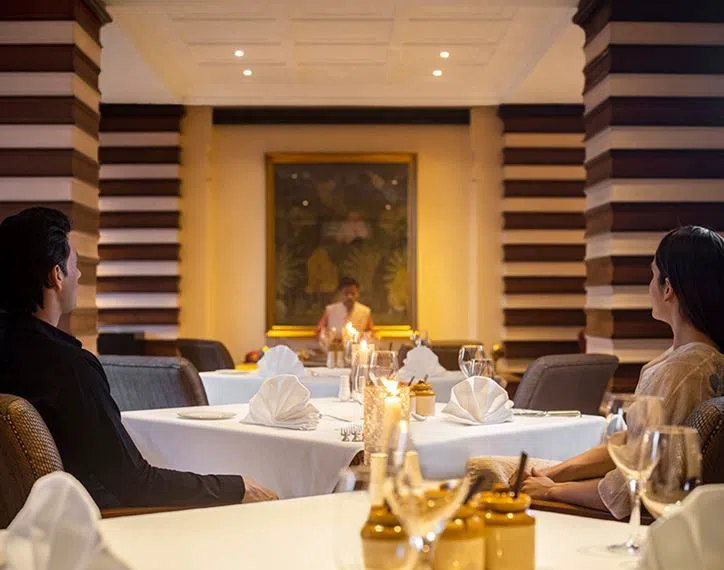
If you only eat one "royal" meal in Agra, have it at Esphahan (Taj East Gate Road), The Oberoi's flagship restaurant inside Amarvilas and, on paper at least, the closest thing the city has to an actual Mughal imperial kitchen. The menu is built explicitly on recipes handed down from that kitchen, and the room plays the part — this is the most palace-like dining space on this list, all high ceilings, low lighting and the kind of hush that makes you lower your voice without being asked. It isn't casual: smart-casual dress is enforced, children under eight aren't admitted, and while Esphahan does take groups, anything over eight people or a same-day booking needs a phone call rather than a walk-up. Budget ₹8,000–12,000 for two, and book ahead — this is a destination table, not a fallback.
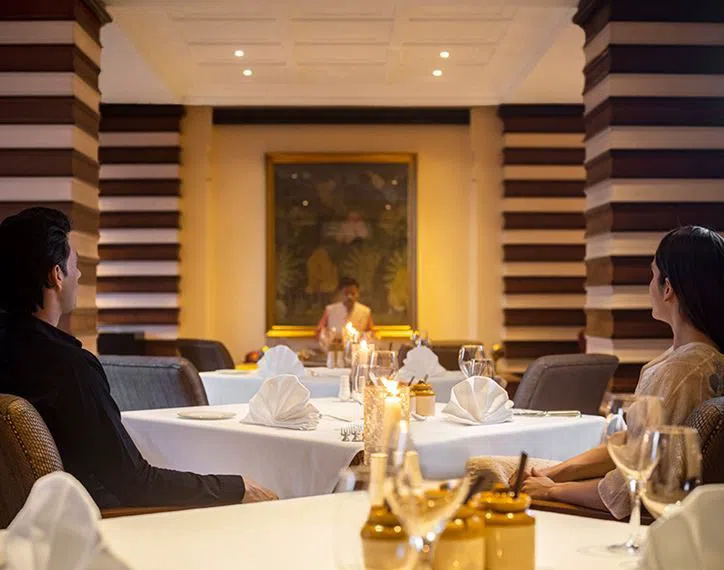
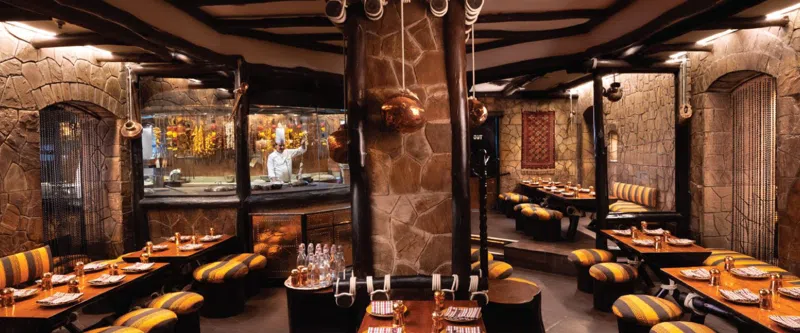
A short drive away on Fatehabad Road, Peshawri (ITC Mughal) tells a slightly different story. It's the sister restaurant to the original Peshawri that built ITC's reputation for Mughlai cooking, and here it's tandoor-forward North-West Frontier food rather than true dum pukht — no sealed pots, just open-flame char on kebabs and a dal that's simmered low and slow for hours. That distinction matters if you're chasing the exact dum pukht thread, but Peshawri earns its place as the essential upscale anchor of any serious Agra food trail: the dal bukhara alone justifies the detour. Large parties are handled through ITC's banqueting desk rather than the restaurant floor directly, and reservations are strongly recommended even for two. Expect ₹4,000–6,000 for two.
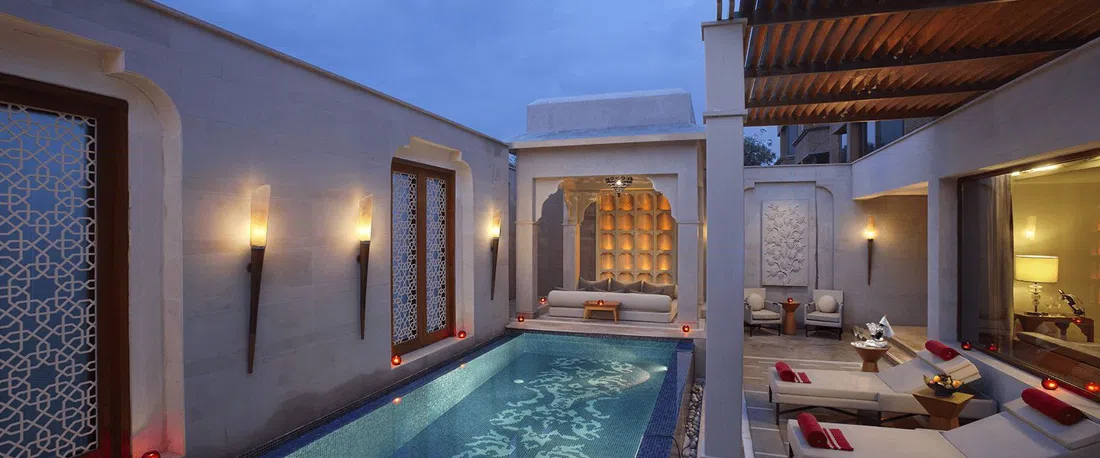
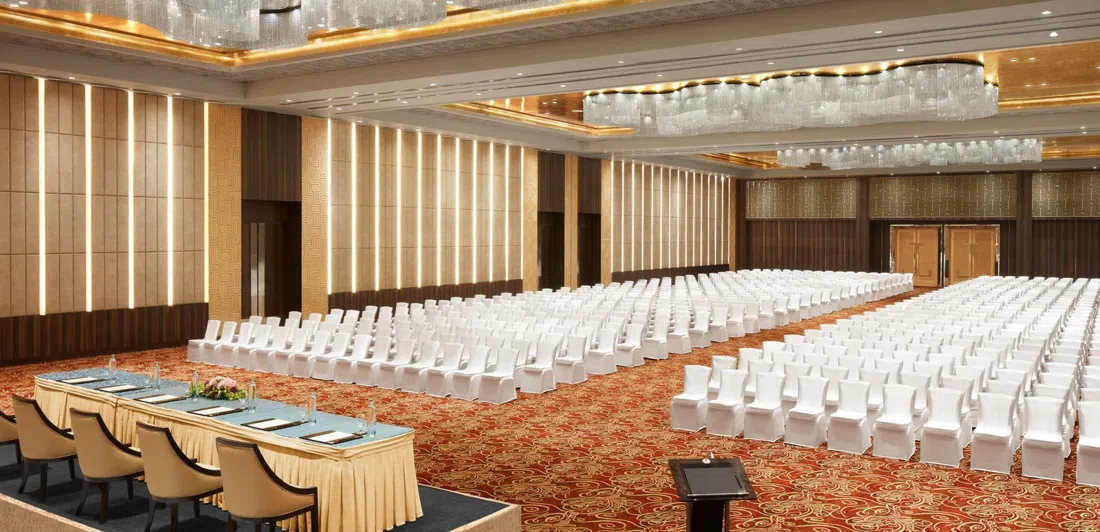
For the most literal "Nawabi" experience, go to Daawat-e-Nawab at the Taj Hotel & Convention Centre, on the same East Gate stretch — worth noting this hotel used to be branded Radisson Blu Agra Taj East Gate, so don't be thrown if an old review or map pin still uses that name. The kitchen runs a four-course Nawabi format that suits exactly the royal-recipe story this piece is chasing, and because it's a hotel restaurant, it's genuinely well set up for group bookings through the front desk or concierge rather than requiring advance planning. At ₹3,500–5,000 for two, it's the most accessible of the three palace-tier tables here.
The Old Guard: Where the Lineage Actually Runs Through the Cook
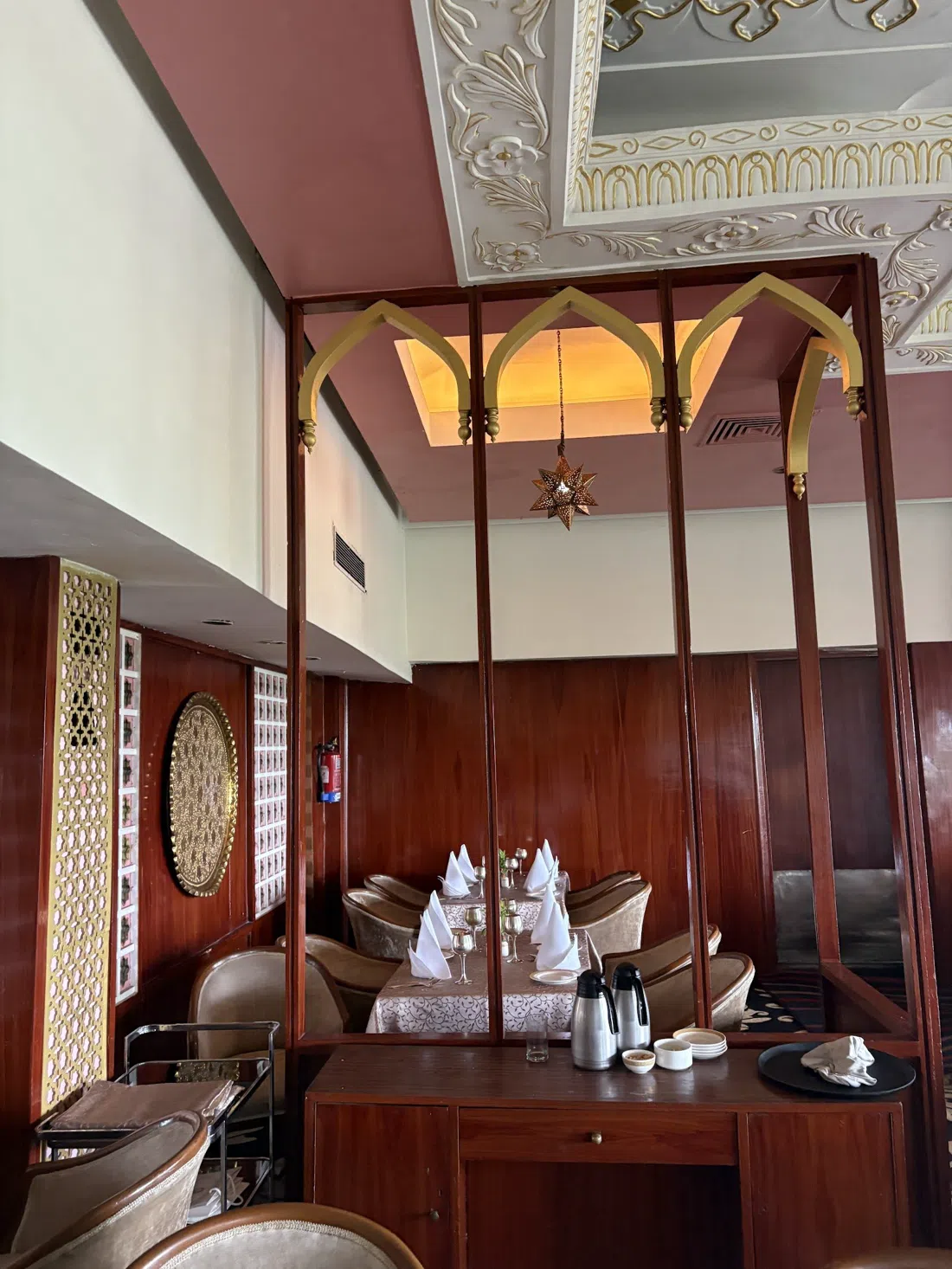
Not every heritage table in Agra is a five-star production. The Mughal Room, in one of Agra's oldest hotel dining rooms, has been serving Mughlai food to the city's guests for decades — it's worth being upfront that the menu today is multi-cuisine rather than purely Mughlai, so go in expecting an old-guard atmosphere more than a purist's tasting menu. What it does well is families and larger tables: the room comfortably handles bigger groups, and walk-ins are generally fine outside peak dinner hours, which makes it a useful pressure-release valve if Esphahan is booked solid. Expect ₹2,500–3,500 for two.
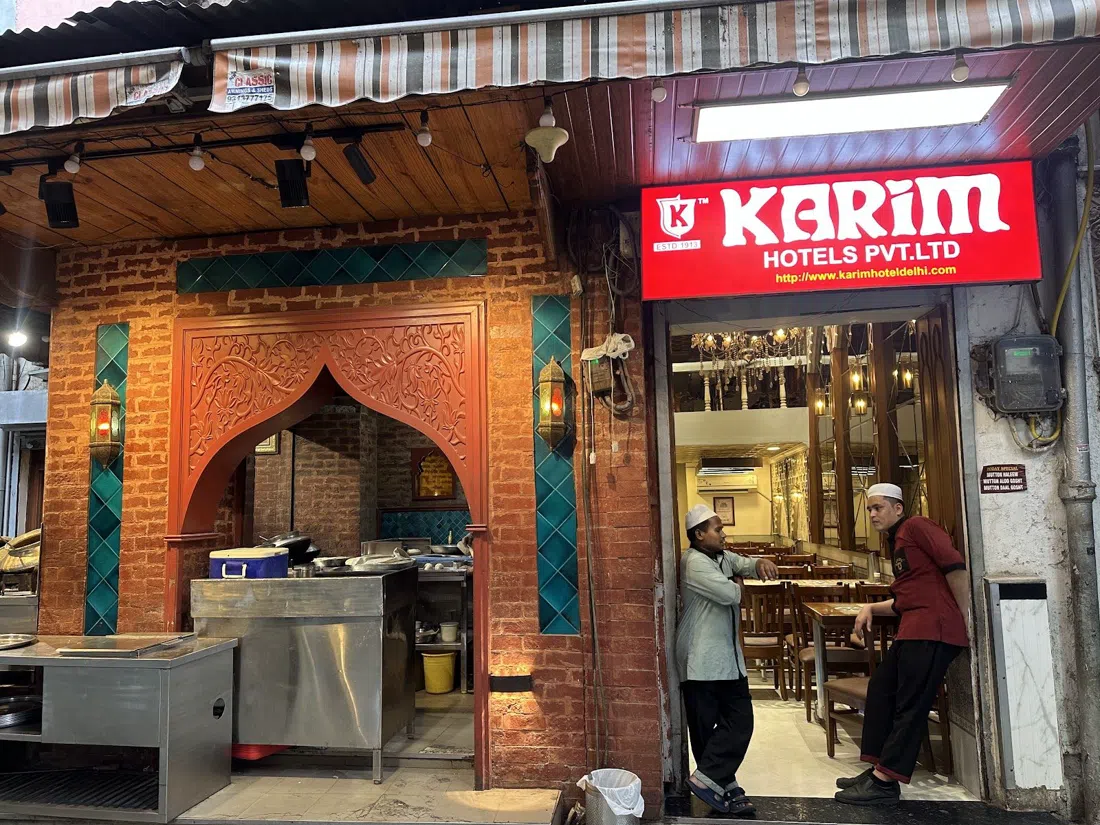
The real lineage story on this list, though, belongs to Karim's, in Agra's old city, the local outlet of the heritage Mughlai chain founded by Haji Karimuddin — a cook who worked in the royal court of the Mughal emperor Bahadur Shah Zafar and, after the empire fell, opened his own kitchen instead. That's a genuinely direct thread from palace to plate, and it's the strongest single story in this entire guide. It should be said plainly, though: Agra's Karim's outlet gets mixed reviews (around 3.4/5), noticeably softer than the reputation the name carries elsewhere. Treat it as the historical stop on the trail — the place you go to understand where this cuisine came from — rather than the best single meal in the city. Groups are taken, valet parking is available, and two eat for ₹1,500–2,200.
The Mid-Range Dum Biryani Trail
This is where most visitors should actually plan to eat more than once. The Nawaabs, on the Fatehabad Road restaurant strip, has built a serious reputation — 4.6 out of 5 across more than 4,700 reviews — on Lucknowi-style dum biryani and nalli nihari, the two dishes that best represent the slow-cook, sealed-pot tradition this whole article is about. It takes groups comfortably, but go in with realistic expectations: some regular reviewers flag an inconsistent service pace and a surprise service charge showing up on the bill, so ask before you order if that matters to you. Budget ₹1,800–2,500 for two.
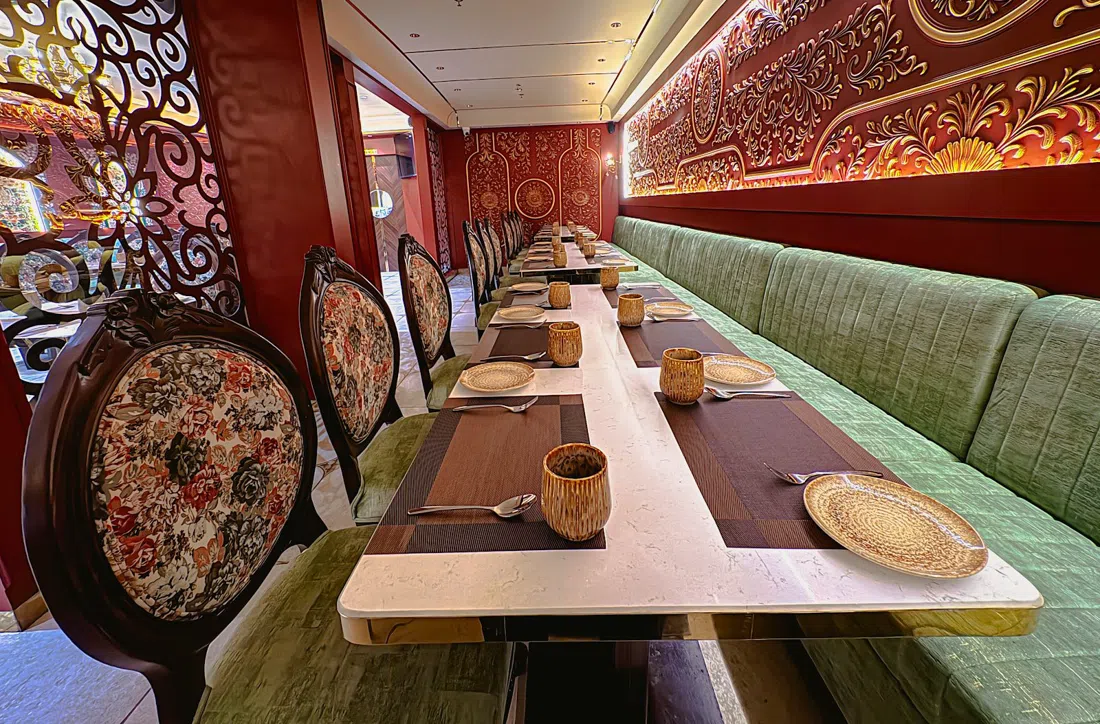
Also on Fatehabad Road, Taj Mahal Restaurant leans into the royal-kitchen narrative more explicitly than almost anywhere else on this list, right down to naming its signature dish the "Shah Jahan Biryani." Open since 2007 and sitting at #27 of 405 Agra restaurants on Tripadvisor (4.4/5 from 549 reviews), it actively markets event and party bookings with customisable menus, scaling from an intimate two-top to a large gathering — genuinely one of the easier group bookings on this trail. Expect ₹2,000–3,000 for two.
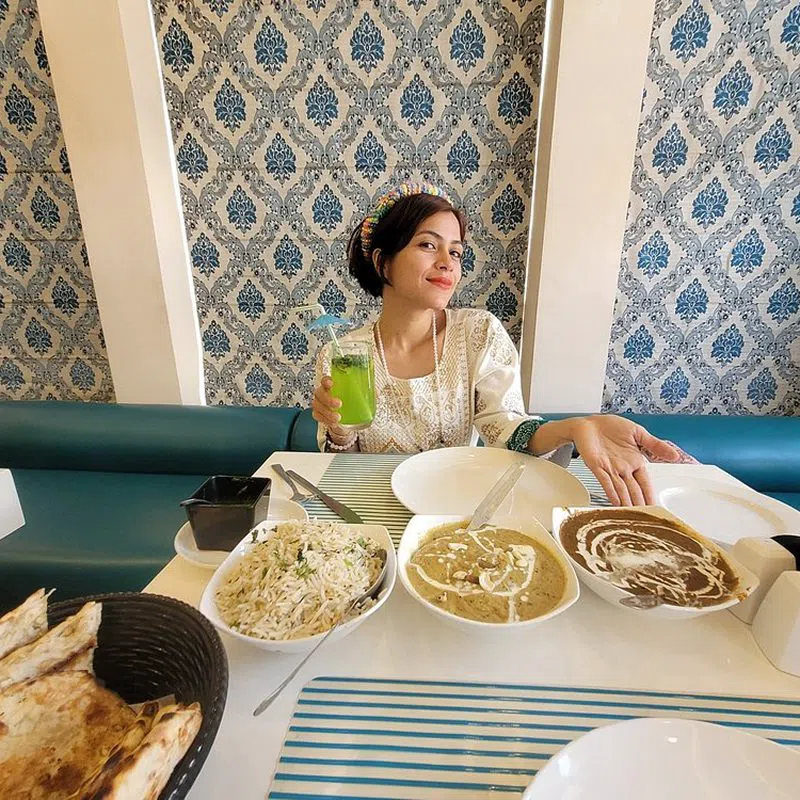
Pinch of Spice, a multi-award-winning North Indian chain with two locations in the city, is the safest well-reviewed mid-range pick if you want dum biryani and galawati kebab without gambling on consistency — it holds a solid 4.2/5 and is explicitly set up for both a couple's dinner and a family gathering, handling groups without friction. Two eat for ₹1,600–2,200.
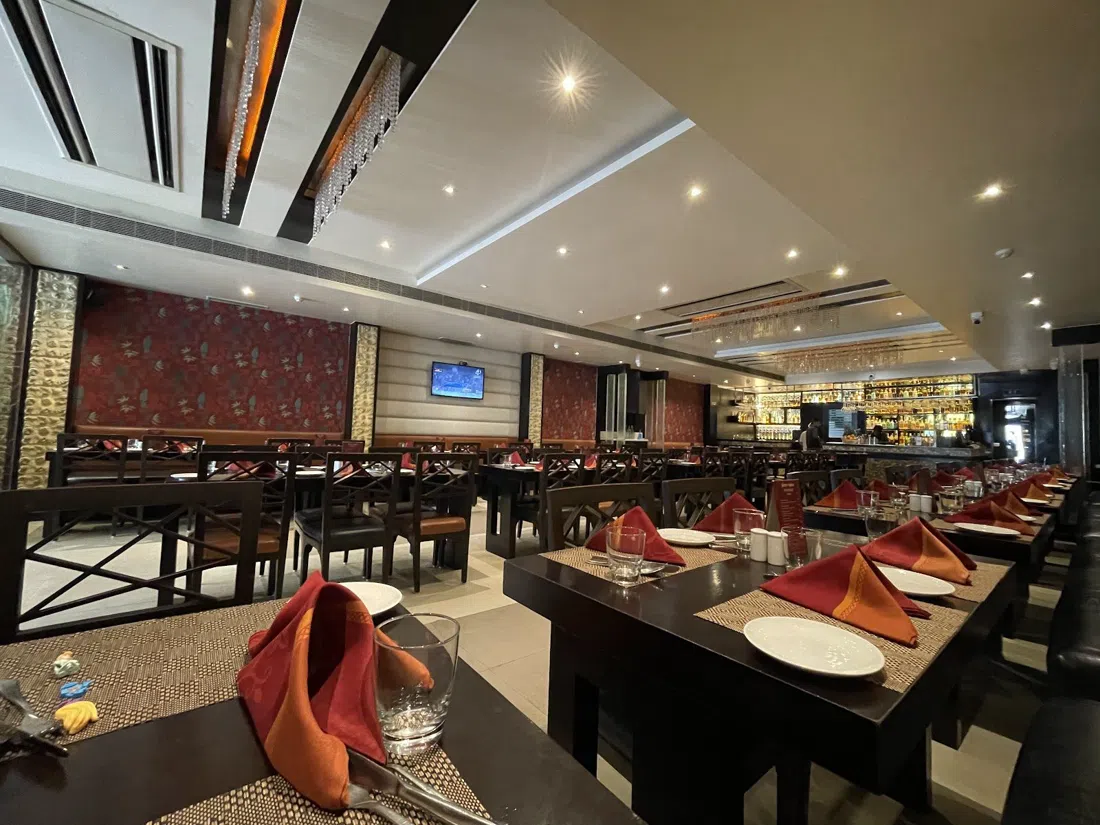
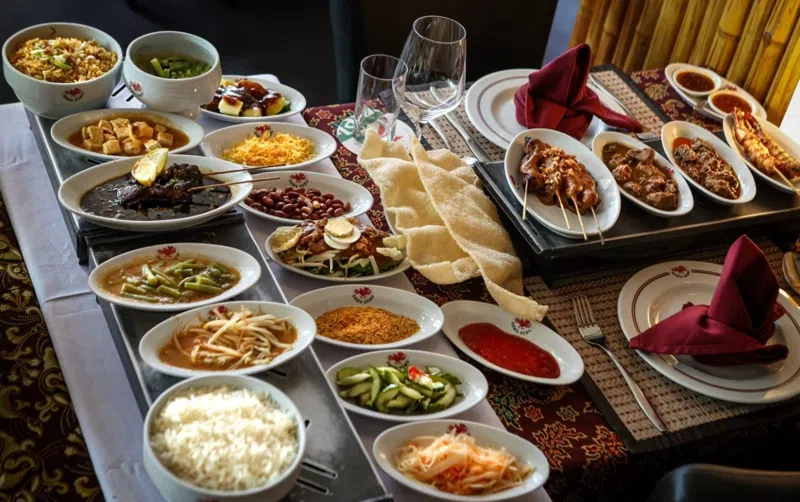
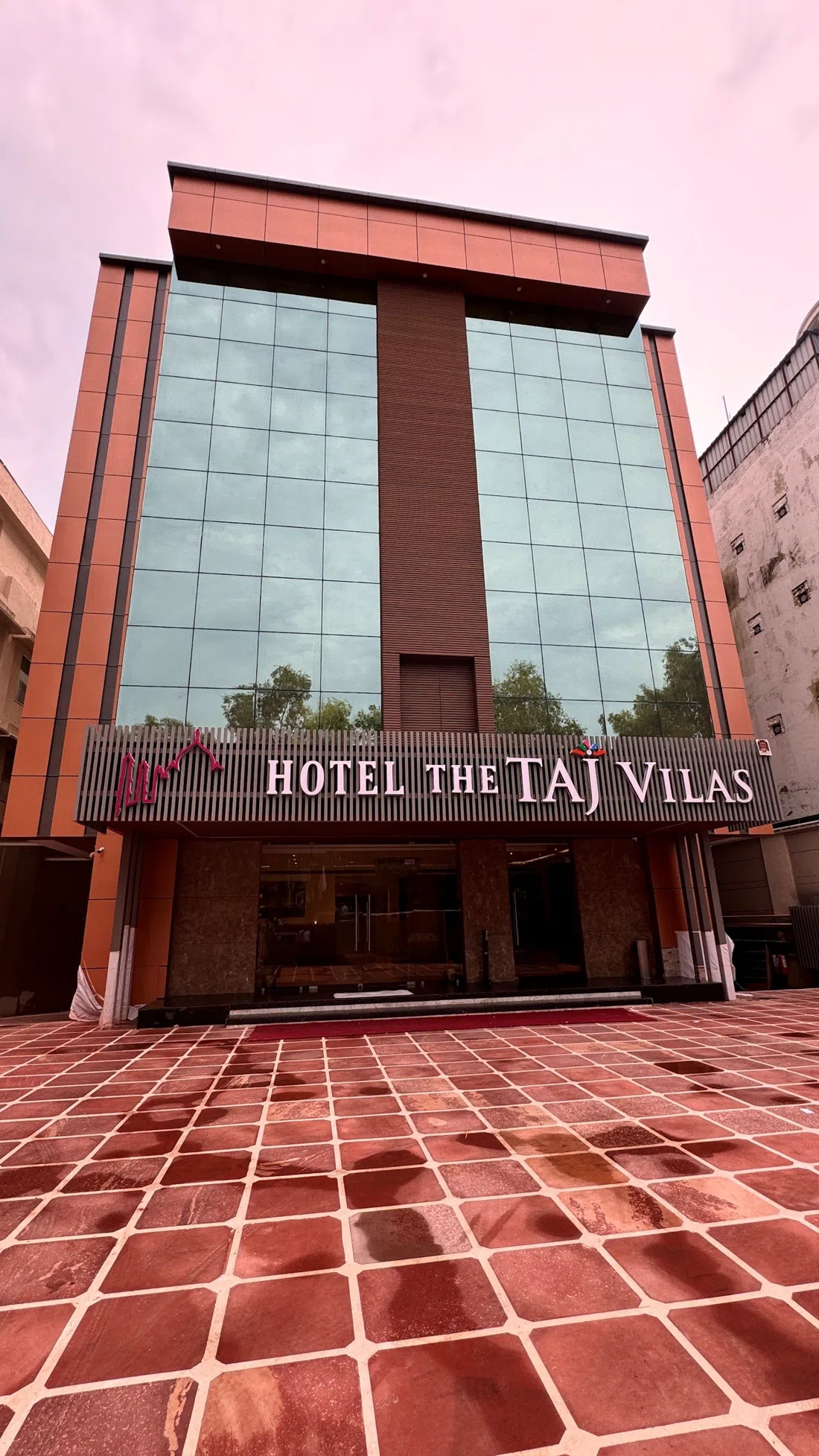
If your group can't agree on one dish, Taj Vilas Kitchen, on Fatehabad Road, solves that problem with a buffet and live-counter format that lets everyone sample multiple Mughlai dishes rather than commit to a single order — genuinely useful with mixed-preference parties, kids, or anyone who just wants to taste widely before they commit to a favourite. It's the most budget-friendly hotel option here at ₹1,200–1,800 for two.
Neighbourhood Mughlai: The Forgotten Kitchens
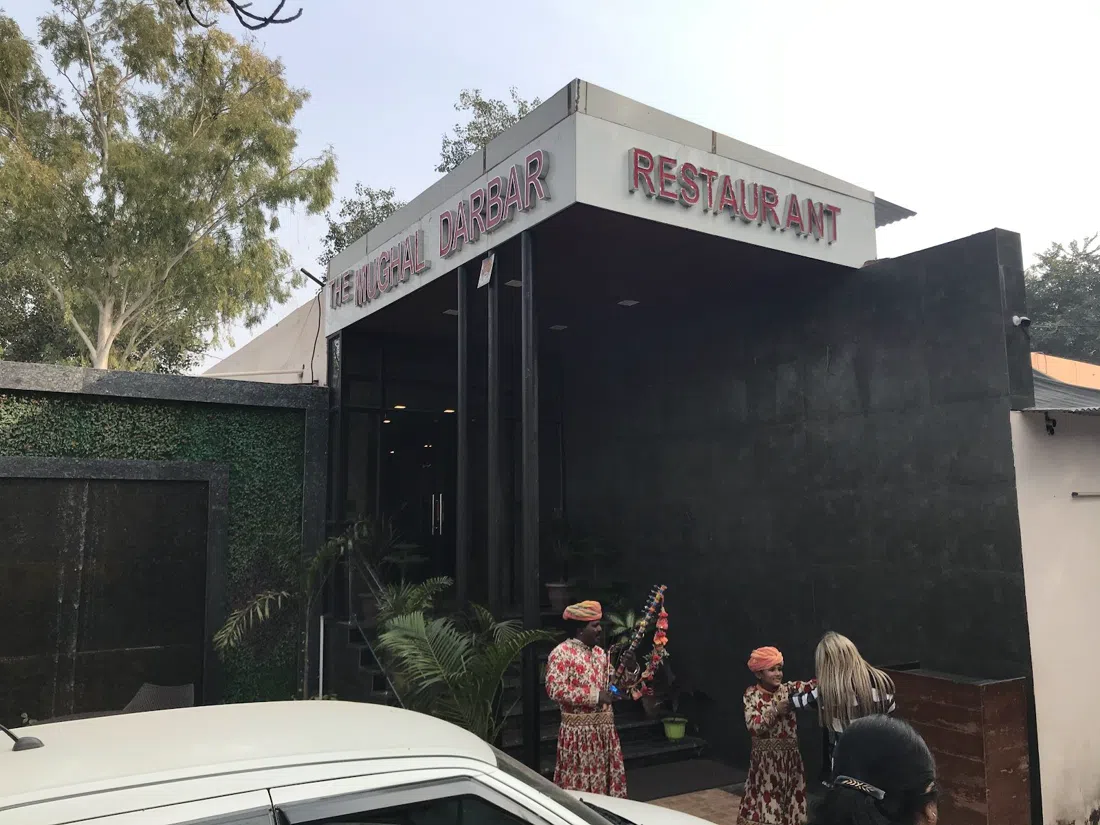
Away from the hotel strip, The Mughal Darbar, in Sadar Bazaar, is a casual, stand-alone restaurant that's comfortable for walk-in groups and priced accordingly at ₹1,200–1,800 for two — but the reviews here are genuinely mixed, with some diners calling the biryani average and the service slow. It earns its place as a reliable budget-casual option rather than a guaranteed great meal, so treat it as backup rather than a destination.
For the actual forgotten-neighbourhood story, go to Biryani & Kebab by Zahid Foods, in Agra's old city, a halal-certified specialist doing dum mutton biryani that gets singled out repeatedly for quality despite — or maybe because of — the complete lack of hotel polish. It's cheap (₹600–900 for two), it handles groups of any size without blinking, and it does home delivery if you'd rather eat it back at the hotel. This is the counterpoint the piece needs to the five-star tables: proof that the slow-cooked dum tradition survives just as well, arguably better, without a marble floor underneath it.

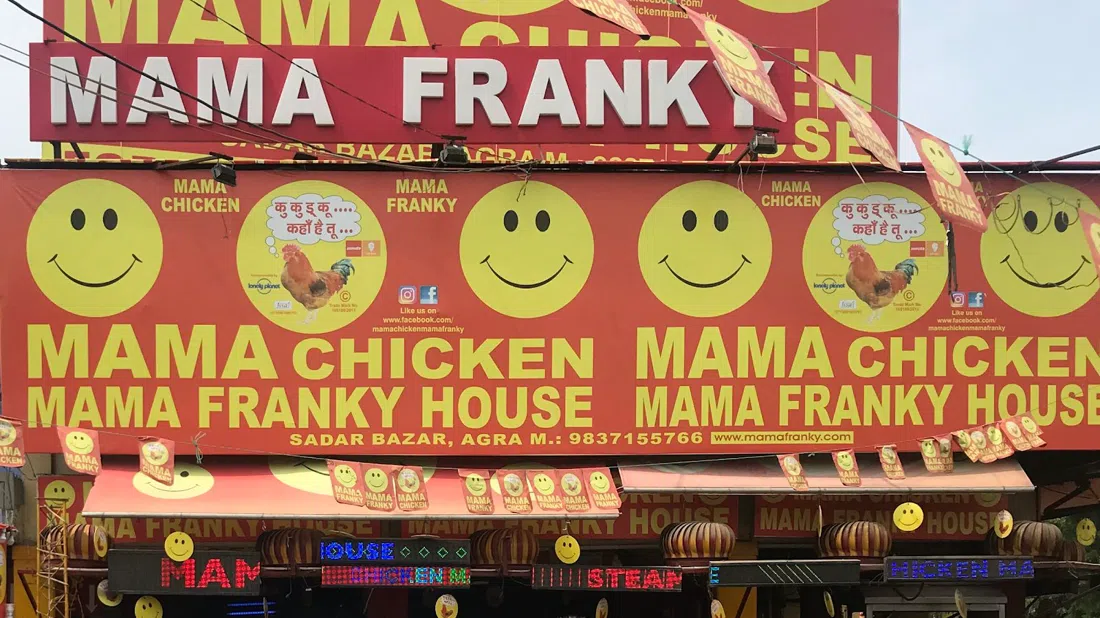
The other essential street-level stop is Mama Chicken Mama Franky House, in Sadar Bazaar, a street-style Mughlai dhaba with genuinely high turnover and no pretensions to heritage or royal recipes — it isn't chasing that story, and shouldn't be sold as one. What it is: a very popular local institution for galouti kebab and chicken tikka, dhaba-style seating, easy for groups, and ₹500–800 for two. Go hungry and go with time to queue; the turnover tells you it's busiest exactly when you'd expect.
Planning Your Mughal Food Trail: Transport, Cash, Timing, Budget
Most of these restaurants cluster around two areas — the hotel strip near Taj East Gate and Fatehabad Road (Esphahan, Peshawri, Daawat-e-Nawab, Taj Mahal Restaurant, Taj Vilas Kitchen), and the older, more local pockets of the city where the neighbourhood spots sit. Autorickshaws and app-based cabs cover both easily; if you're staying near the Taj, the palace-tier restaurants are a five- to fifteen-minute ride, while the street-level spots are worth a dedicated trip rather than a casual walk-in. If you haven't booked somewhere to stay yet, start with an Agra hotel search — most of the hotel-based restaurants above will only guarantee a table for guests during peak season, so it's worth checking what's attached to where you're sleeping.
Carry cash for the smaller neighbourhood places — Zahid Foods and Mama Chicken in particular are the kind of high-turnover, low-margin operations where a card reader isn't guaranteed, even though the bigger hotel restaurants all take cards without issue. Dinner service across the city generally runs from around 7:30pm, and the palace-tier restaurants (Esphahan especially) fill up on weekend evenings during the winter high season (November through February), so book at least a day ahead if you're set on a specific night. Across the full spread here, a couple can eat as cheaply as ₹500–800 at a dhaba or as much as ₹8,000–12,000 at Esphahan — a genuinely useful spread for building a multi-day trail that moves from palace to street rather than picking one tier and staying there. For the rest of what Agra has beyond the table, the full Agra guide covers the sights, timing and logistics around the Taj itself.