The Agra issue
Rambagh, Agra's Mughal garden quarter across the Yamuna
Babur's 1526 garden, the Baby Taj, a tiled ruin and the Taj seen straight on from Mehtab Bagh, all on Agra's quiet east bank.

By Matteo FerraroAgra is a Mughal city, not a single monument
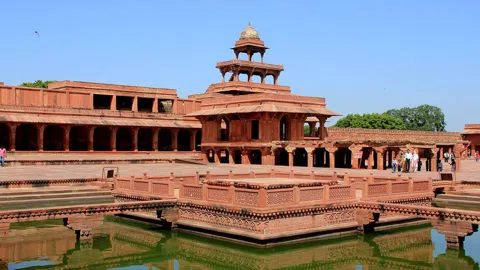
Babur laid out Ram Bagh in 1526, and it is the oldest surviving Mughal garden in India. The water channels are dry stone, the fountain basins are empty, and two open pavilions stand on a high plinth above the Yamuna. Almost nobody visits.
Ram Bagh and the ruins upstream
The east-bank gardens run in a line along the river, and Ram Bagh is the end to start at.
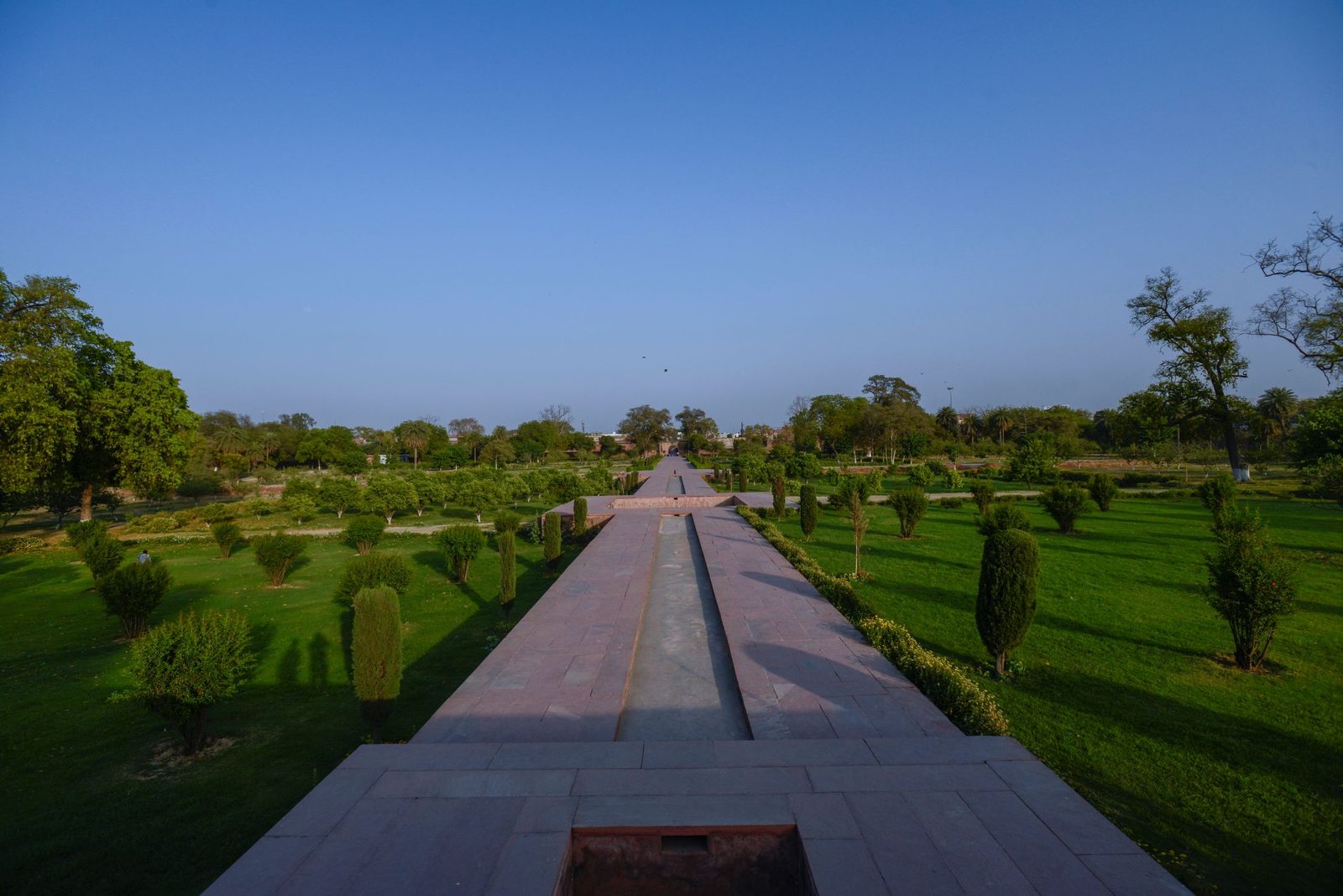
Ram Bagh, also called Aram Bagh and Bagh-i-Gul Afshan, is the prototype that every later charbagh copied, the Taj's garden included. The layout survives as three stepped terraces. Stone channels run down them, and the basins between the channels hold nothing. Neem and mango give the shade. At the lower end, two pavilions stand open on a high plinth over the river, and the pavilions are the place to stop. Beneath the terraces sits a tahkhana, the underground chamber built for cooling off, and the gardeners will point it out if you ask. No guides wait at this gate, so bring your own if you want the stonework read aloud. Entry is ₹.
Zohra Bagh and its riverside kiosk are five minutes' walk on. The ASI protects the enclosure and nobody manages it. The walls are crumbling red sandstone. A single domed chhatri stands on the Yamuna embankment, and buffalo tracks cross the scrub between the broken plinths. The site has no gate and no staff. Wear closed shoes. Entry is free, and you will have the ruin to yourself.
Further north, the riverside chhatris north of Ram Bagh stand on the earth embankment itself. The domes are weathered sandstone on pillared bases. Below them the river runs wide and shallow, egrets work the sand, and washing is laid out on it to dry. The approach goes through lanes with no signage, and without a local guide you will walk straight past the pavilions. Nothing is ticketed and nothing is labelled. The tour buses do not stop here. Entry is free.
Plan your Agra trip
Live prices from our booking partners.
Free cancellation on many rooms. We may earn a commission when you book.
I'timad-ud-Daulah and Chini ka Rauza
Two tombs sit between the gardens and the bridge. Visit them in this order and the architecture makes more sense.
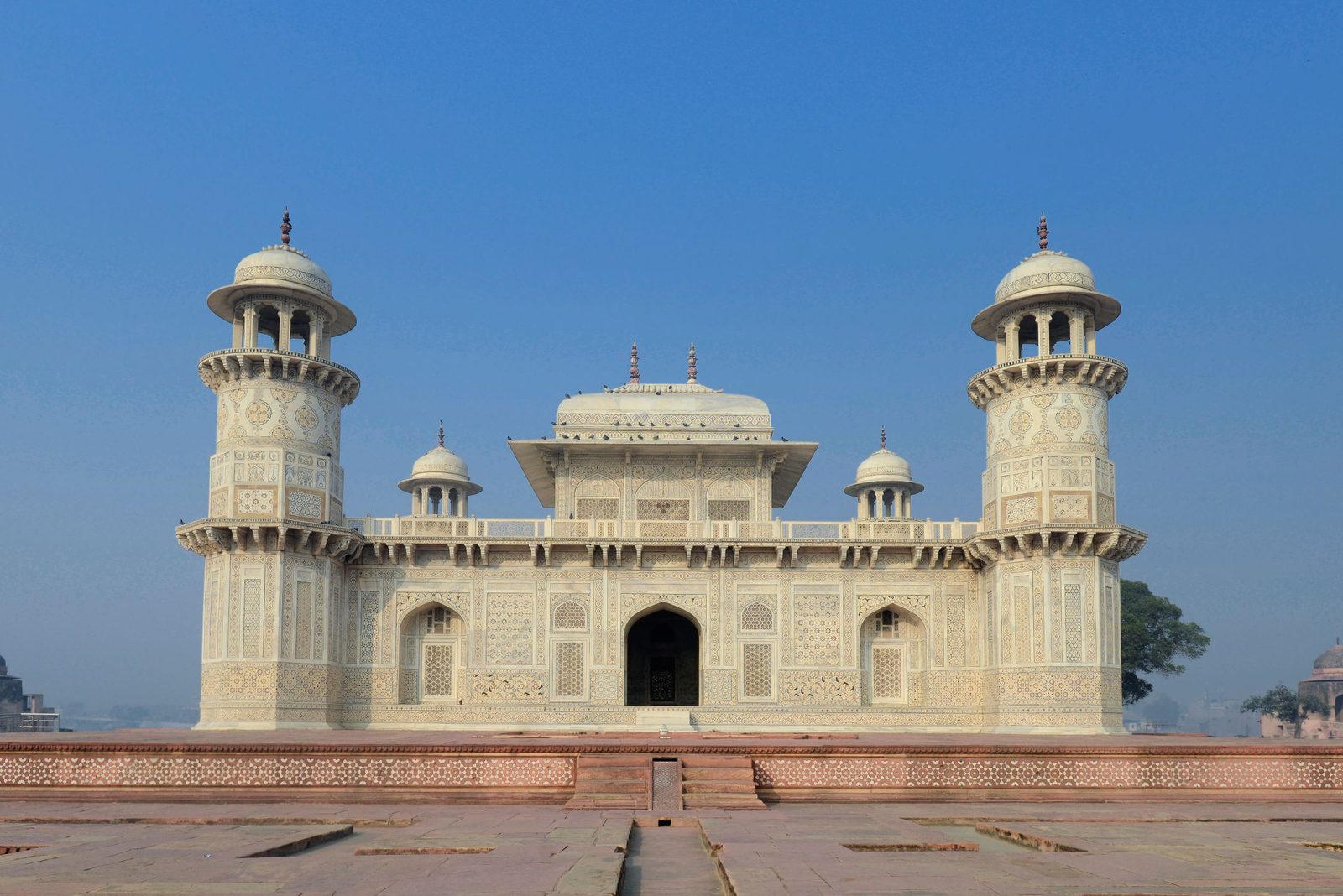
Tomb of I'timad-ud-Daulah, the Baby Taj, was built between 1622 and 1628, Nur Jahan's tomb for her father. It is the first all-marble Mughal building and the design rehearsal for the Taj. Four squat octagonal minarets mark the corners of a small white tomb capped by a barrel-vaulted roof pavilion. Yellow-brown pietra dura covers every surface, with wine flasks and cypresses inlaid into the marble. A red sandstone wall encloses the garden around it. Give the inlay time; the panels repeat the same two motifs at every scale. See this tomb before Mehtab Bagh and the lineage reads forward in time. Queues are rare. Foreign visitors who hold a same-day ADA toll receipt from the Taj avoid the extra charge at the counter. Entry is ₹.
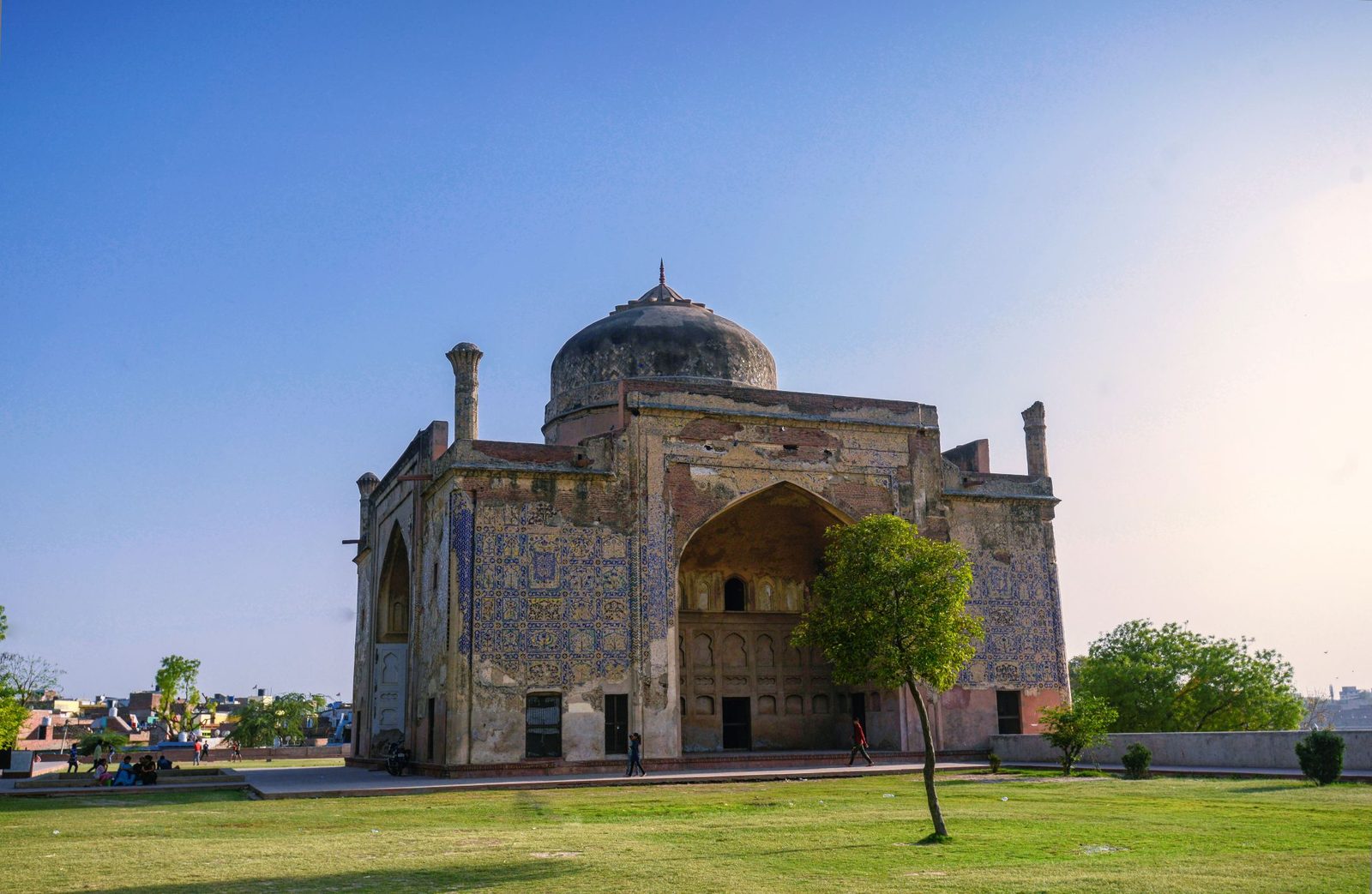
Chini ka Rauza is a ten-minute stop. It is the only building in Agra faced entirely in Persian kashi tilework, and most of that facing has gone. The square brick tomb under its bulbous dome is stripped back to bare brick. The river side still carries patches of turquoise, cobalt and ochre glaze. Stand there for the blues. The tomb is unstaffed and free, with no toilets and no shade on the site.
Mehtab Bagh and the Taj across the water
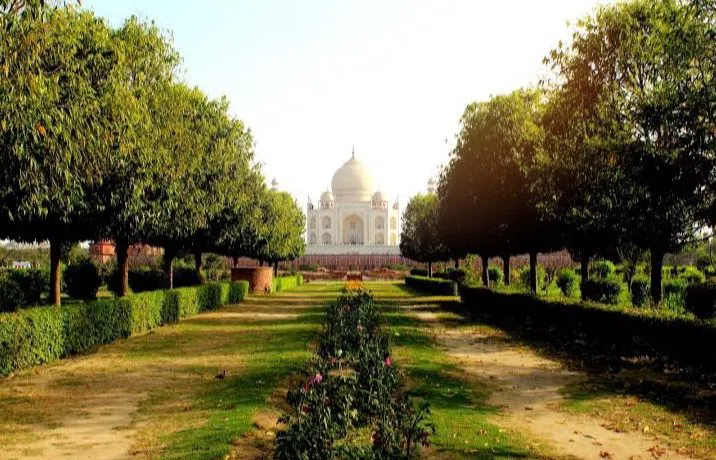
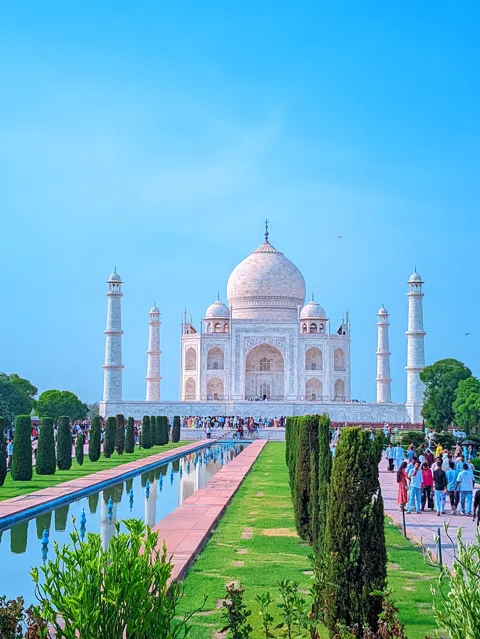
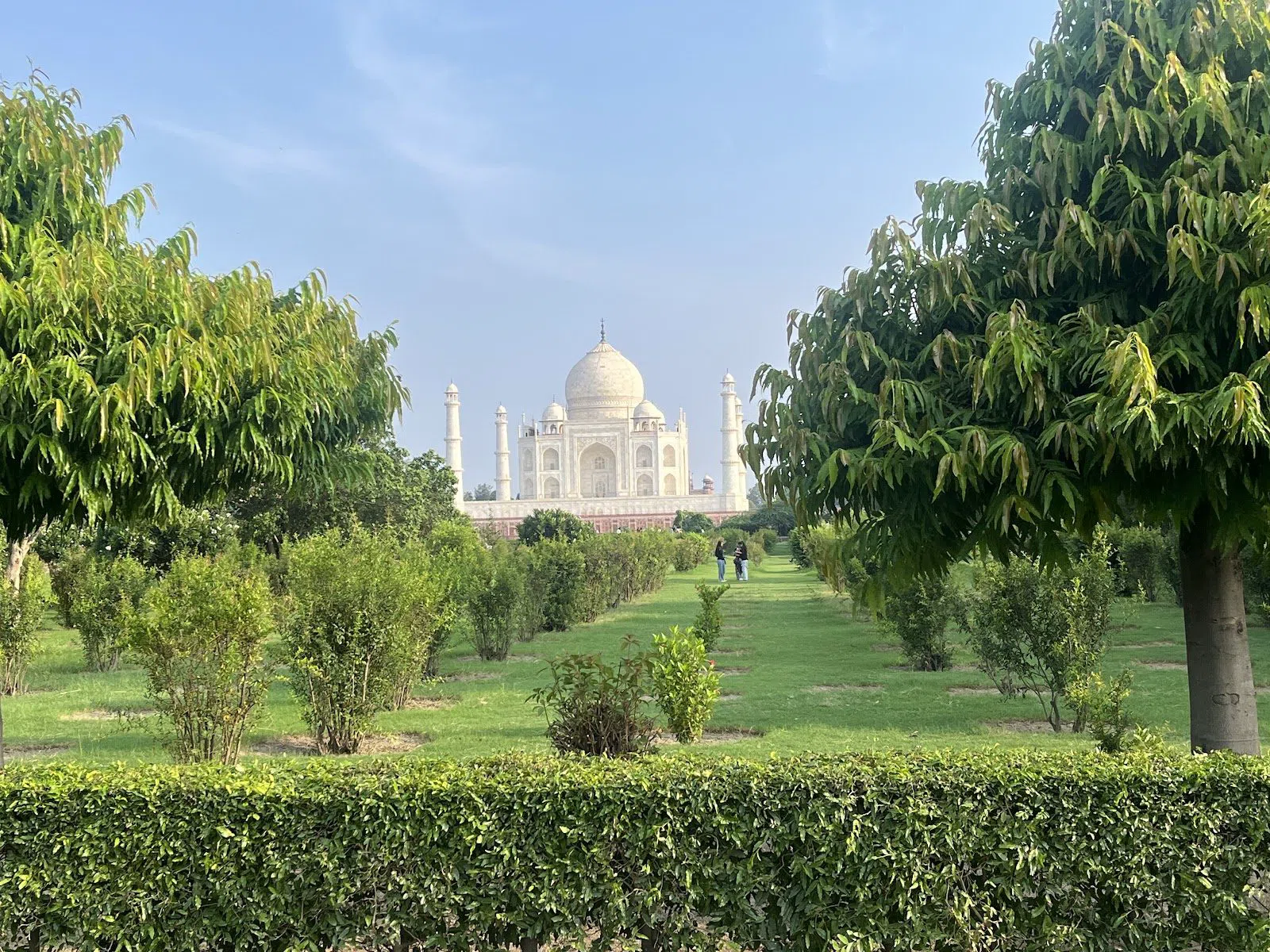
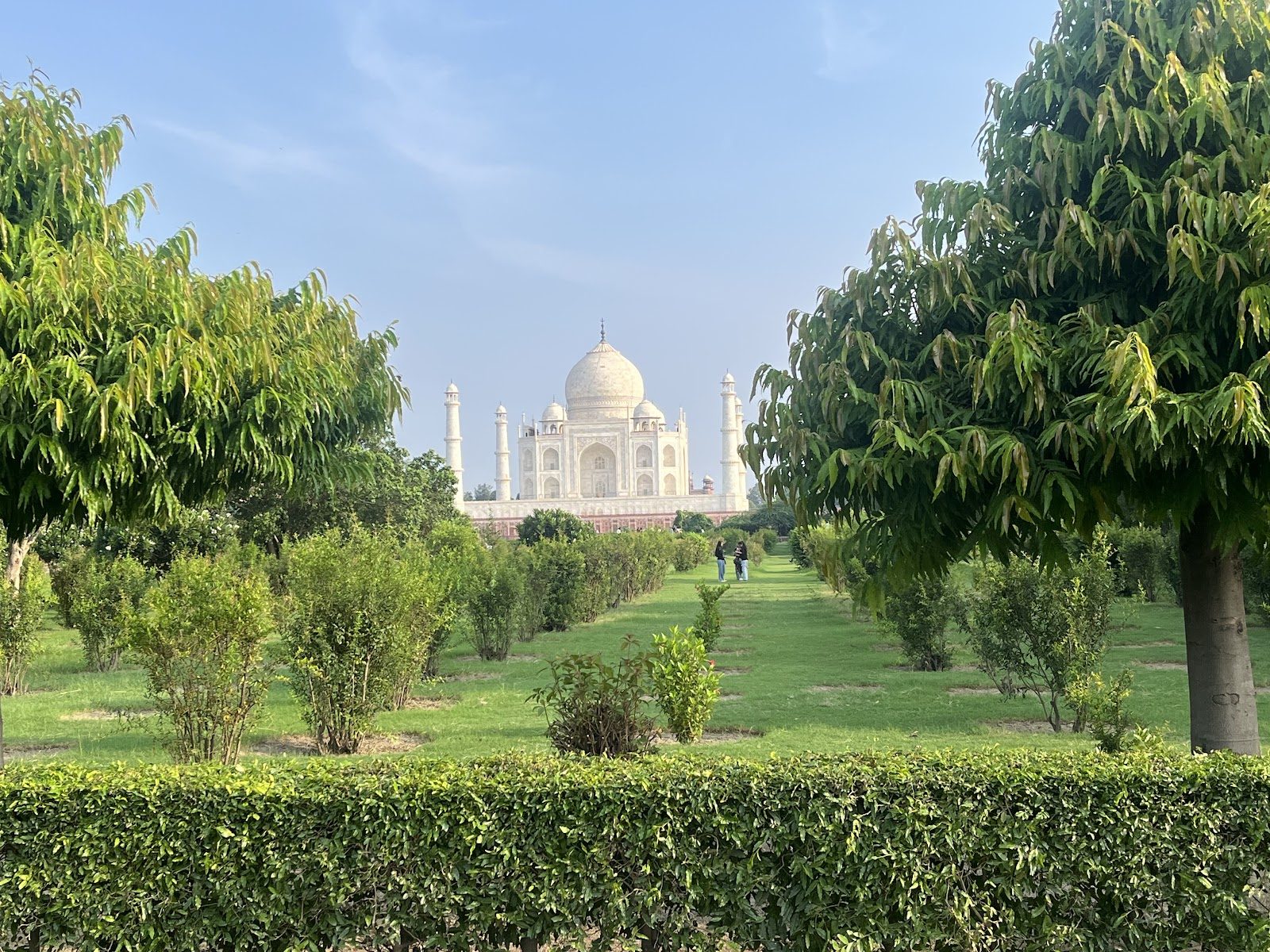
Mehtab Bagh is the headline sight in this pocket. A square sandstone wall encloses the charbagh, the lawns inside are dry and the hedges clipped. A huge octagonal stone pool sits on the terrace edge. Stand at the pool and the Taj Mahal rises directly across the brown Yamuna, straight on, with only the river in between. Come at sunrise, or in the last hour before sunset, and no crowd lands in the frame. The garden opens on Fridays, when the Taj itself is shut. Friday is the day to spend on this bank. The ASI ticket counter is at the gate and no booking is needed. Guides wait outside it. Entry is ₹.
Kachhpura on foot
Behind Mehtab Bagh is the village of Kachhpura, and its lanes are the link between the monuments.
The Mughal Heritage Walk covers one kilometre of dirt lane between mud-plaster houses. Potters' wheels and cobblers work under awnings along it, buffalo stand in the doorways, and the route ends at the Mehtab Bagh wall with the Taj in the gap. It joins Gyarah Sidi, Humayun's Mosque and Mehtab Bagh on foot in one and a half to two hours. Young people from the village, trained as guides, lead it, and the fees pay for sanitation and clinics in Kachhpura. Book a day ahead for a party of more than six. The walk still runs in 2026. Price is ₹₹.
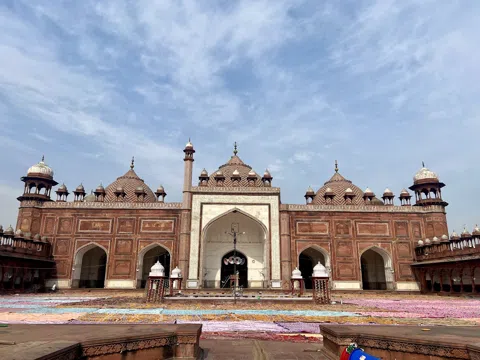
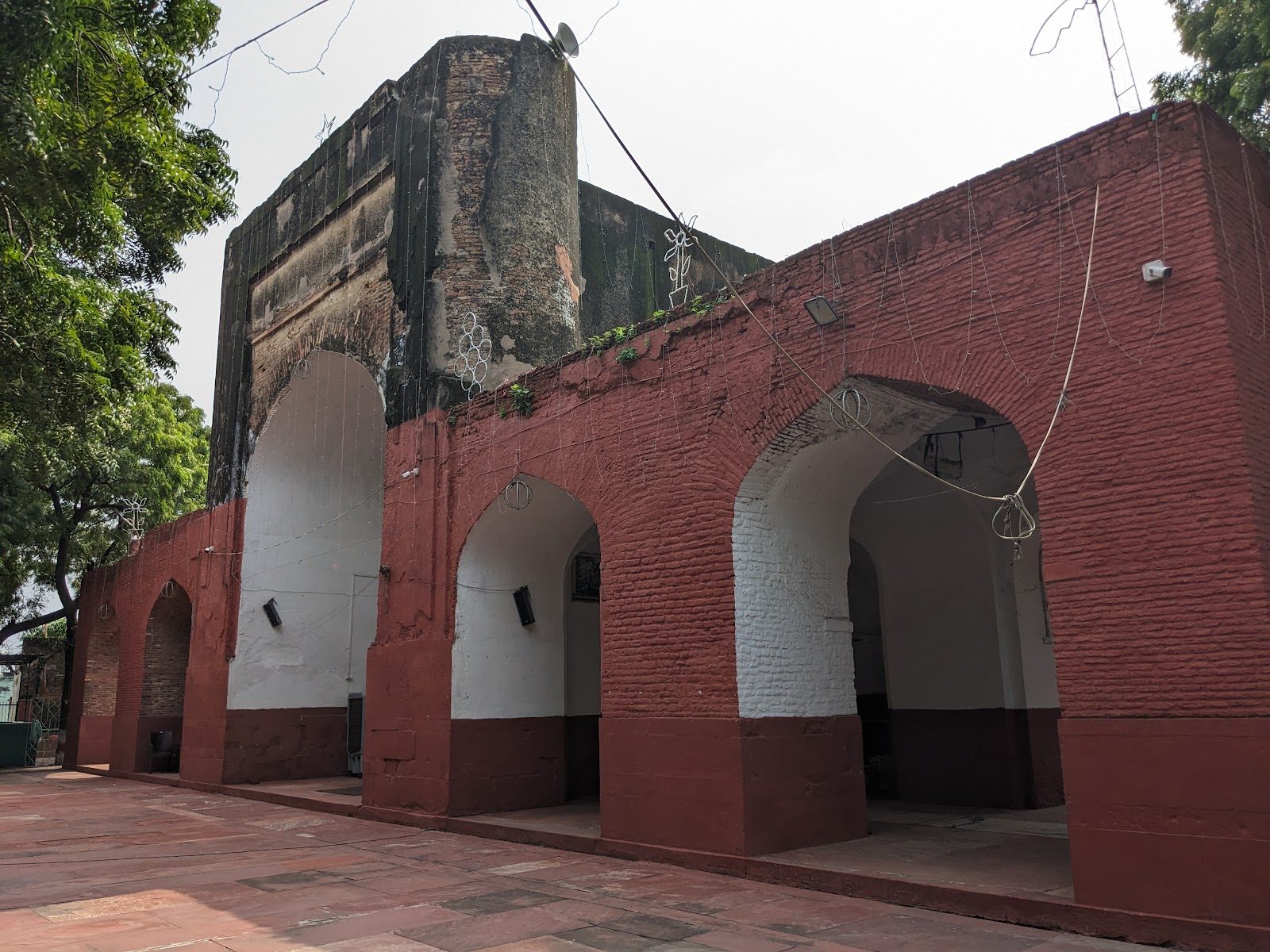
Humayun's Mosque, the Kachhpura Masjid, is dated by inscription to 1530 and 1531, the year Humayun took the throne, and it is one of the oldest Mughal buildings in Agra. Three low arches of rubble and plaster carry a single flattened dome. Carved sandstone grave slabs lie about a dusty walled courtyard, and village houses press right up to the wall. You walk in through Kachhpura; no road delivers you to the door. Small groups only, because the mosque is in use. Cover shoulders and knees, leave your shoes at the door, and keep away at Friday prayer time. Entry is free.
Breakfast, chai and coffee in Trans Yamuna
Sri Dauji Mishthan Bhandar (Nunhai Road) has traded since 1985 and it is the local institution inside this pocket. A cauldron of bedai puri fries in the doorway. Glass-fronted steel trays hold ghee-fried sonpapdi and rasmalai. Men eat off leaf plates at a chest-high counter. Arrive before 9 a.m. for the bedai and kachori. Buy Agra patisa to carry away. Orders go over the counter and the seating amounts to nothing, so eat standing. Price is ₹.
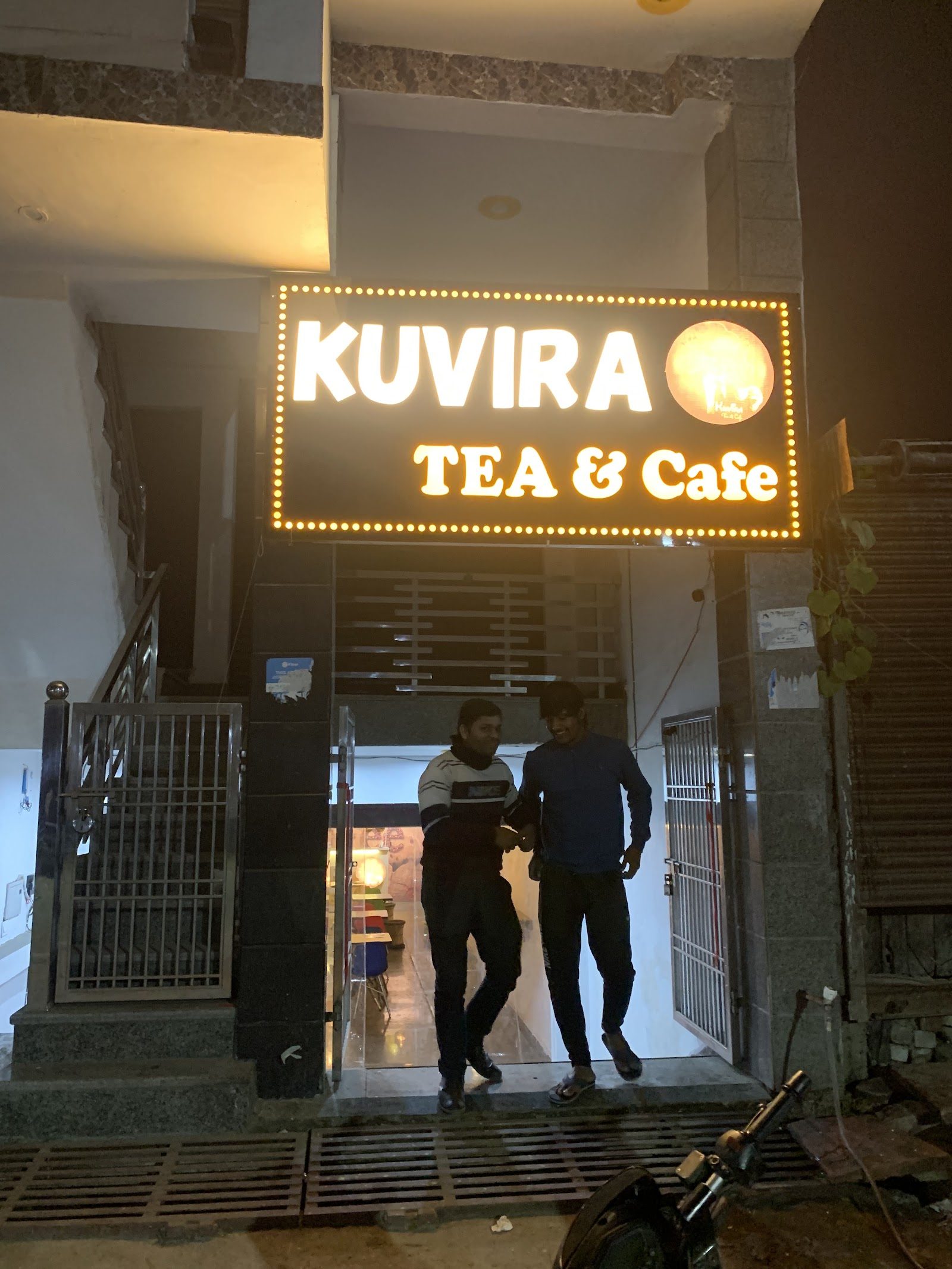
Kuvira Tea & Cafe is the coffee-and-sandwich stop nearest the gardens on this side of the river, and it stays open until 10 p.m. The shopfront is small and bright, with fairy lights, laminate booths and a chai urn behind the counter. Trans Yamuna side-street traffic passes the glass. Walk in; the café takes no bookings. It is a friendly local café.
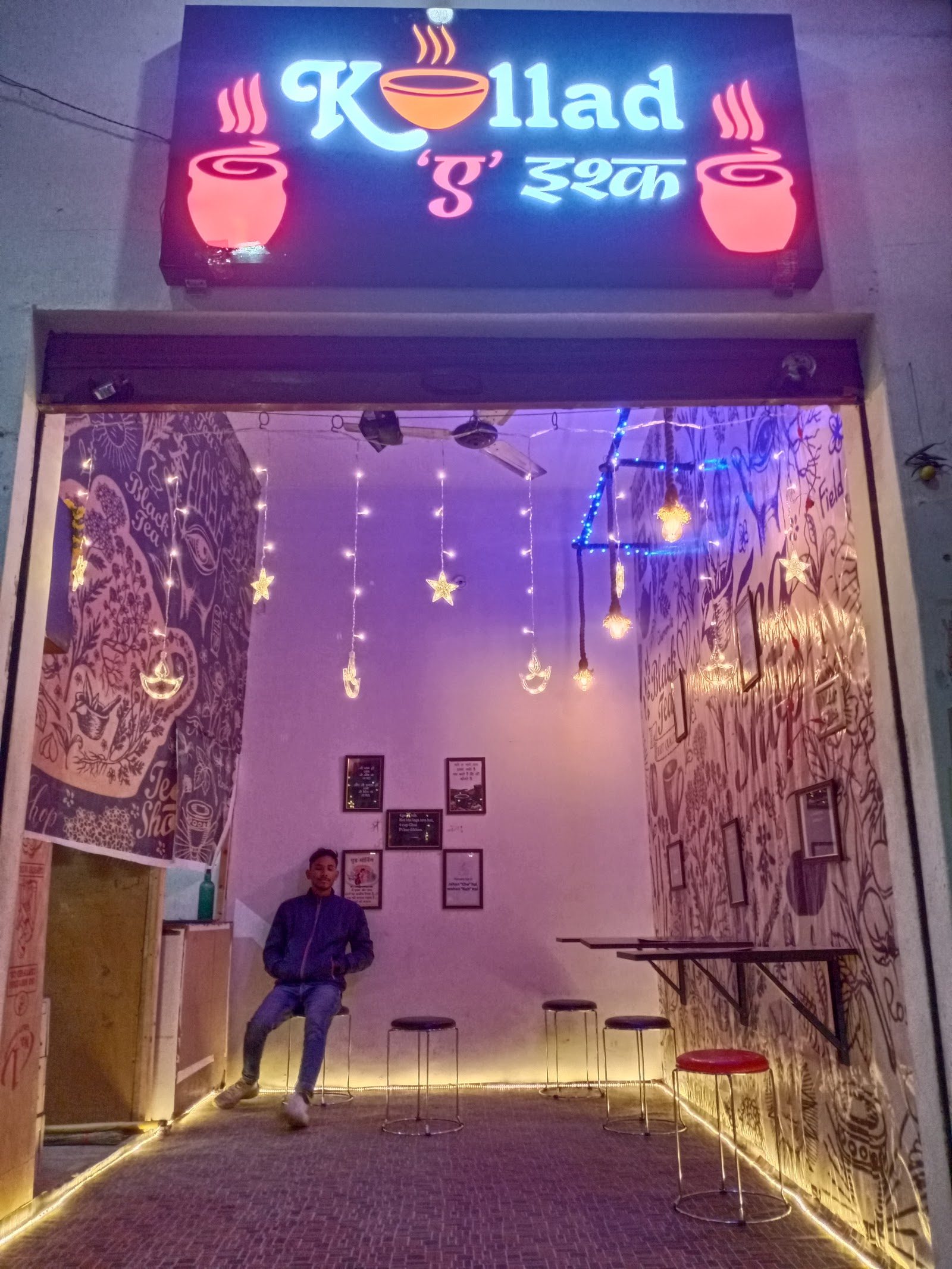
Kullad E Ishq is five minutes from the Rambagh crossing, in a residential corner of Trans Yamuna. Clay kulhad cups stand stacked in pyramids. Kettles of masala and tandoori chai steam on the counter. The seating is low and cushioned, under hanging filament bulbs, and local families end the evening in it. The lounge closes at 9:30 p.m. Price is ₹.
Dinner across the bridge on MG Road
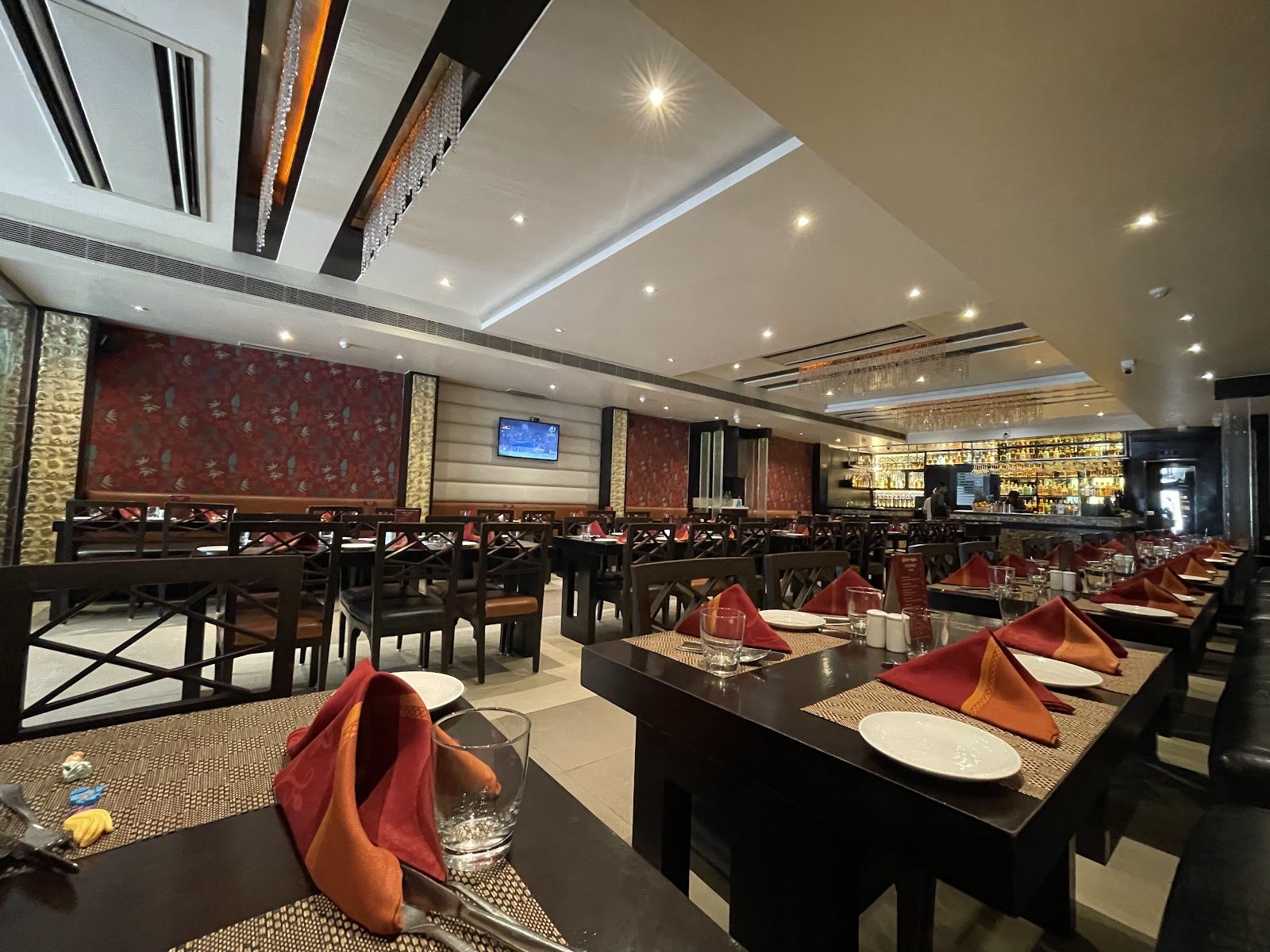
The Rambagh pocket has no restaurant of this standard, which is why dinner means Pinch of Spice (MG Road), 3km back across the Yamuna bridge. Copper handi dishes come to the table in a dark-panelled room of brass lamps and red upholstery. The tandoori platters arrive under a haze of smoke. The dining room is large and takes bookings. Service runs from noon to 11:30 p.m. The kitchen has held its standard through 2026. Price is ₹₹₹.
Where to stay
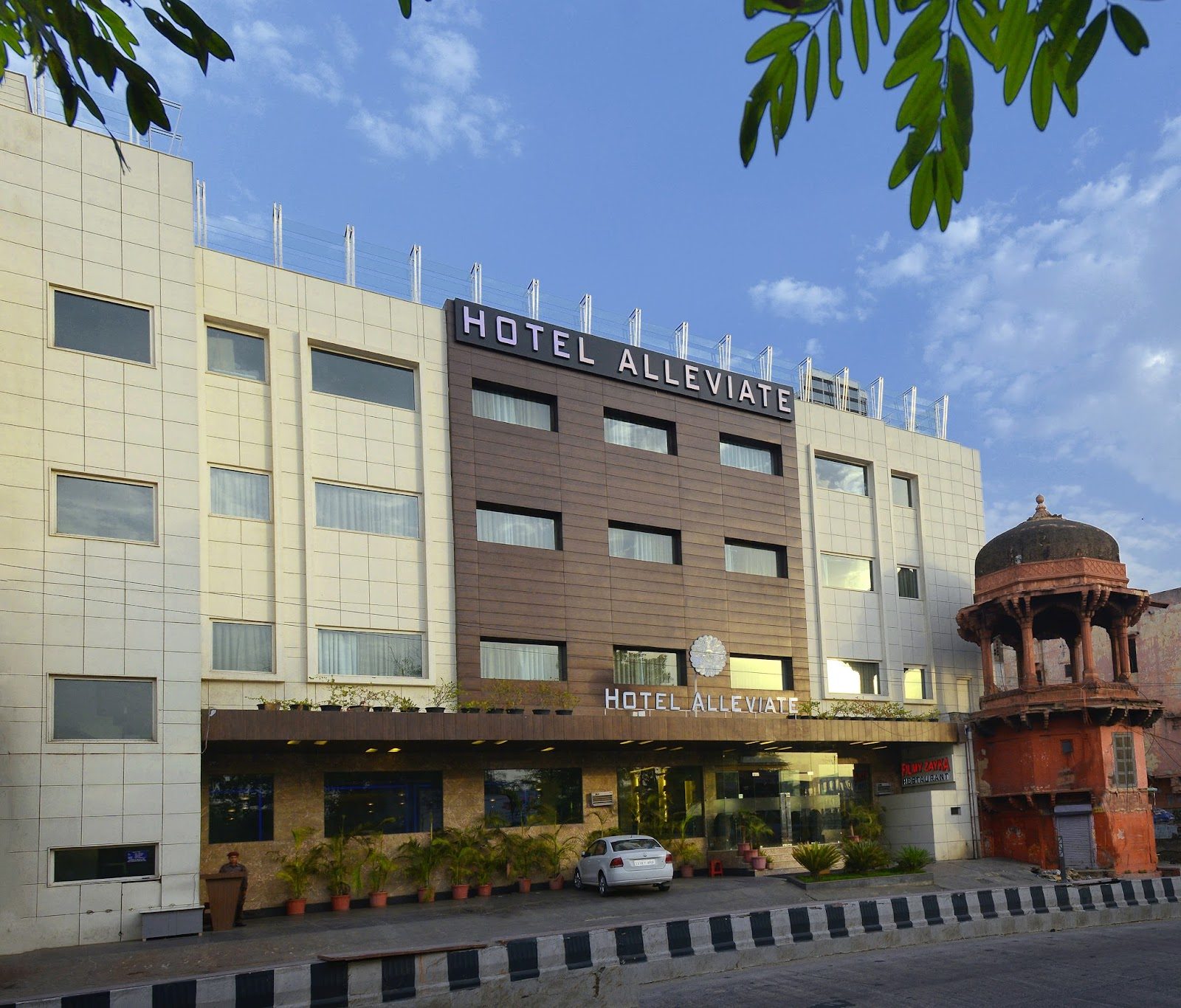
Hotel Alleviate (Yamuna Kinara Road) is the closest decent bed to the east-bank gardens, at the city end of the bridge and 10 minutes from the Baby Taj. The rooftop terrace looks over the Yamuna to the red walls of Agra Fort, with the Taj dome in the haze beyond, and the kitchen up there handles set meals. Reviews are good but uneven. Ask for a river-facing room. Price is ₹₹.
The Oberoi Amarvilas is the city-wide splurge, and all 102 rooms face the Taj, 600m away through the arches. The courtyard is colonnaded in Moorish-Mughal style, with terraced water channels, fountains and pavilions. No bridge crosses this stretch of the river, and Mehtab Bagh is 20 minutes away by road. The hotel is formal and takes no drop-ins, so book it in advance. Price is ₹₹₹₹.
Days and bookings
Friday works best on this bank: Mehtab Bagh opens while the Taj is shut, and the mosque needs timing around prayers. Book the Kachhpura walk a day ahead and a table at Pinch of Spice.
See the Agra guide and the Agra hotel search.
Gallery
Rambagh–Mughal Gardens in pictures
Rambagh–Mughal Gardens — your questions
Is Mehtab Bagh open on Fridays?
Yes. Mehtab Bagh is open on Fridays, when the Taj Mahal is closed. You pay at the ASI counter by the gate and you don't need to book.
What is the best time of day for the Taj view from Mehtab Bagh?
Sunrise, or the last hour before sunset. From the octagonal pool at the terrace edge the Taj is straight across the Yamuna, and the crowds stay out of the frame.
Do I need to book the Mughal Heritage Walk in Kachhpura?
Book a day ahead for a party of more than six. The walk is one kilometre of village lane, one and a half to two hours, and takes in Gyarah Sidi, Humayun's Mosque and Mehtab Bagh.
Which monuments in the Rambagh pocket cost nothing?
Chini ka Rauza, Zohra Bagh, the riverside chhatris north of Ram Bagh and Humayun's Mosque are all free. Nobody staffs Chini ka Rauza, there are no toilets and no shade, and nothing signposts the chhatris on the approach.
Where is the nearest good dinner and the nearest hotel to the gardens?
Pinch of Spice on MG Road is 3km back across the Yamuna bridge, serves noon to 11:30 p.m. and takes bookings. Hotel Alleviate on Yamuna Kinara Road is 10 minutes from the Baby Taj; ask for a river-facing room.