The Agra issue
Agra Fort Rewards the Morning After the Taj Mahal
Only a third of Agra Fort is open to visitors, and it happens to be the palace third, including the tower where Shah Jahan spent his last years watching the Taj downriver.

By Matteo FerraroAgra is a Mughal city, not a single monument
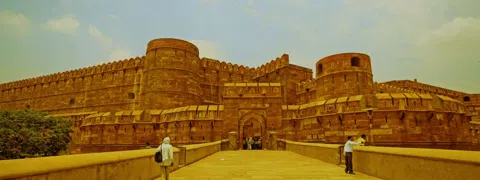
Amar Singh Gate faces south-east, and the ramp behind it is deliberately awkward: a long, curving climb built to break the momentum of anything charging up it. Today it is simply the only way in and out for every visitor to Agra Fort, which is worth knowing before you arrive with eleven people and a plan. Roughly seventy per cent of what lies beyond the gate is a working Indian Army cantonment and closed to you. The third you can walk is the third you would have chosen: the palace quarter on the river side, ending at the octagonal tower where Shah Jahan spent his final years under his son's guard, with the Taj Mahal in view about two kilometres downstream.
Thirty per cent of a fort, and the right thirty per cent
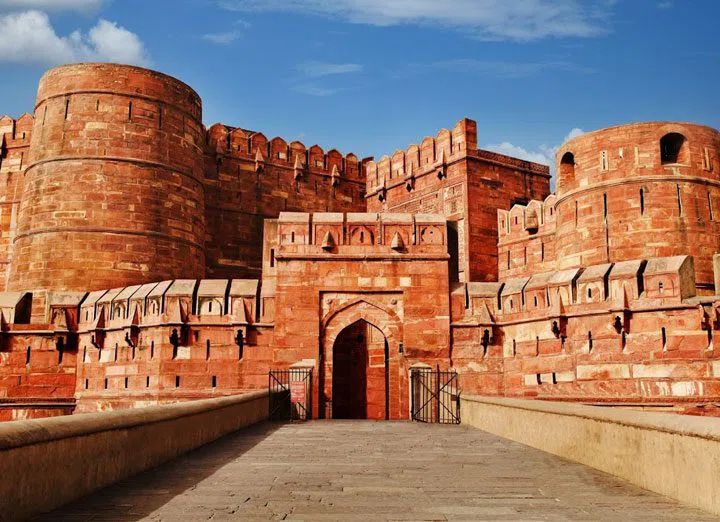
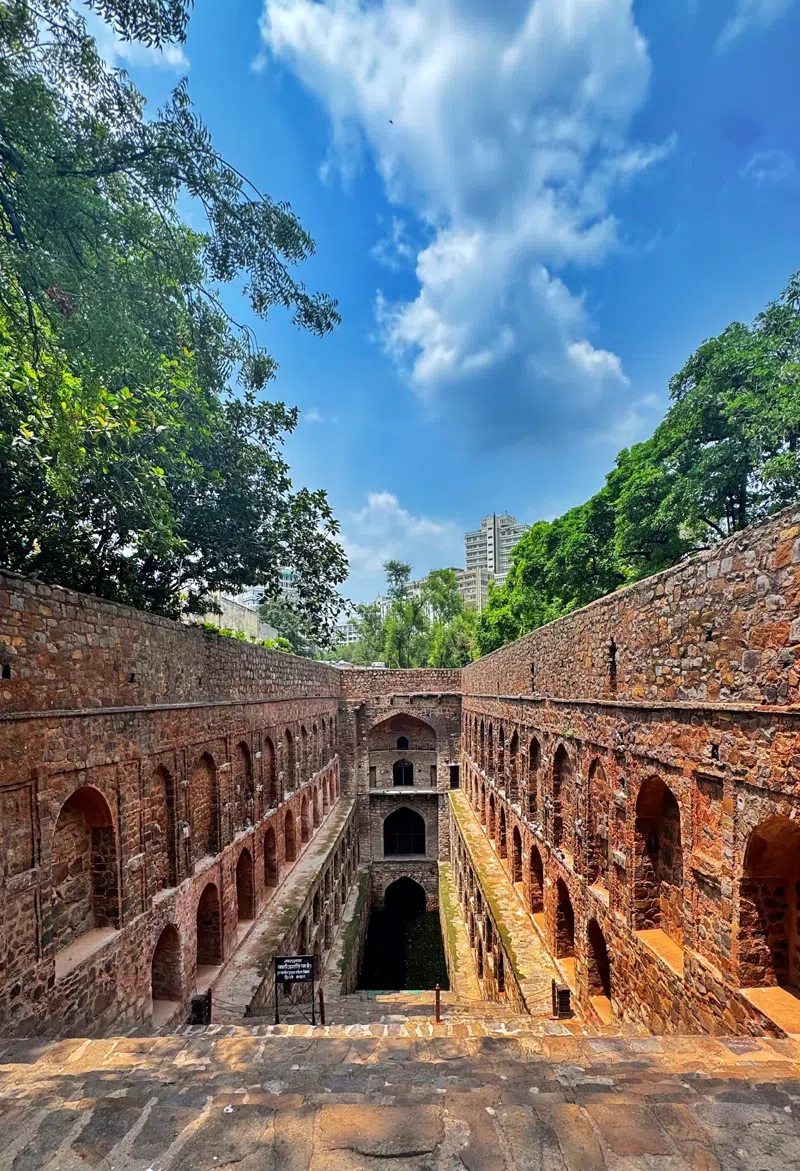
Agra Fort (Rakabganj, on the west bank above the Yamuna) is often described as the city's second monument, which undersells what a ticket actually buys. The open section is the residential and ceremonial half, red sandstone giving way to white marble as the dynasty's taste and budget changed across three generations. Jahangiri Mahal is the heaviest and earliest of the palaces you can enter, carved sandstone with brackets and beams that look borrowed from a temple mason. Khas Mahal is the marble counterpoint, opening onto Anguri Bagh, a sunken geometric garden laid out in quarters. Musamman Burj, the octagonal tower off the marble terrace, is where the confinement story is usually told, and where most visitors stop talking.
Entry is ₹650 for foreign nationals, ₹90 for SAARC and BIMSTEC passport holders, and ₹50 for Indian nationals. On Fridays those drop to ₹600, ₹40 and ₹40. Under-15s go free. A video camera is ₹25. Allow two to three hours if you want to sit down twice and actually look at the inlay rather than photograph it.
Plan your Agra trip
Live prices from our booking partners.
Free cancellation on many rooms. We may earn a commission when you book.
Walking the palace half in the right order
Because Amar Singh Gate is the sole entrance, everyone starts at the same point and the crowd thins as you go. Take the ramp, then work the palaces river-side first (Jahangiri Mahal, then the marble group of Khas Mahal, Anguri Bagh and Musamman Burj), and leave the open courtyards for the walk back out. Doing it in reverse means arriving at the tower with the mid-morning coach parties.
There is no door policy here. Coach groups and licensed guides are routine, and the fort absorbs them easily once you are inside. The pinch point is the gate itself: it is narrow, it handles both directions, and a group of twenty stopping there to be counted blocks everybody. Brief a large party to walk through and regroup on the flat ground inside. For couples, none of this matters much, and you can be up at the tower inside fifteen minutes of the ticket window.
Whether to pay for a guide
ASI-licensed guides work Amar Singh Gate and are a normal part of the experience, not a hustle. Whether you want one comes down to what you are after. The buildings do not explain themselves in any narrative order, and the value of a good guide is sequence: who built which wing, why the material changes, how the confinement years fit the succession war. Sixty to ninety minutes of that is money well spent for a first visit, and it is far better value than the same hire at the Taj, where the building carries its own story.
If you would rather read than listen, skip it. Check that the guide is licensed before you agree a price, agree the price and the duration before you start walking, and be clear whether you want the full circuit or just the palace group.
The Friday problem, and why the fort benefits
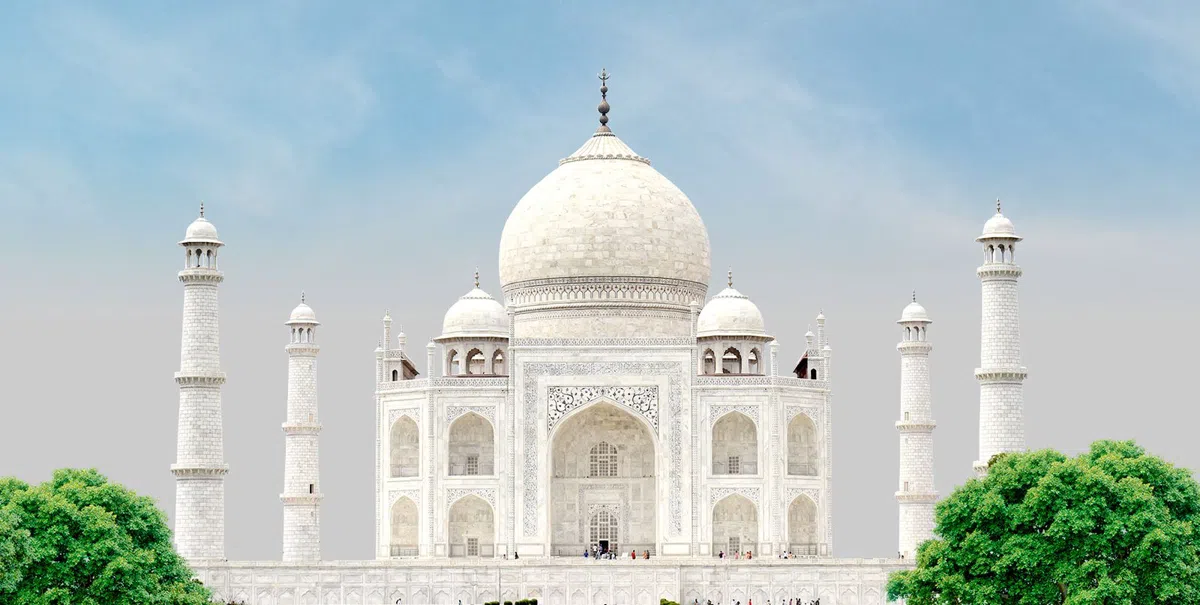
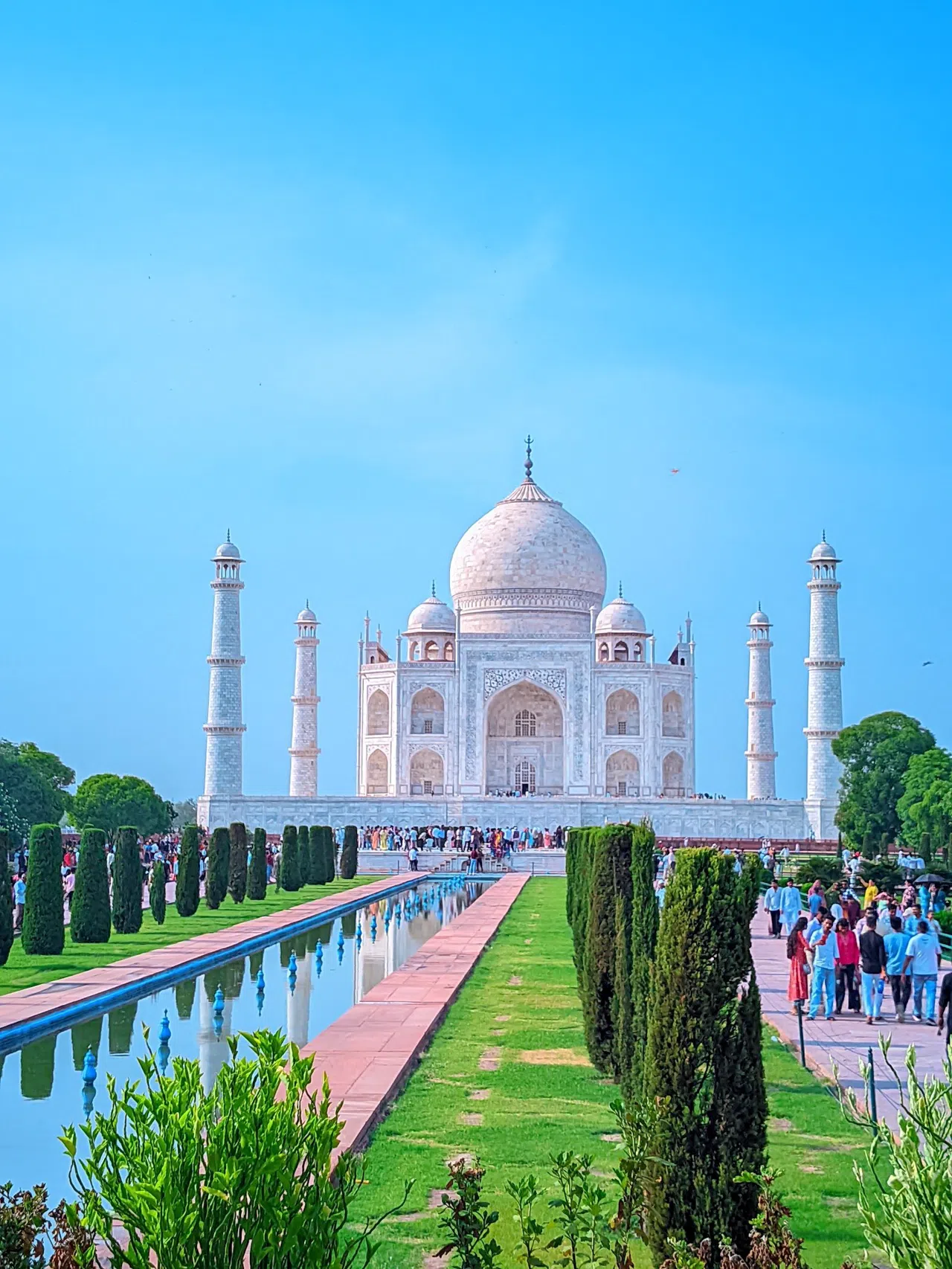
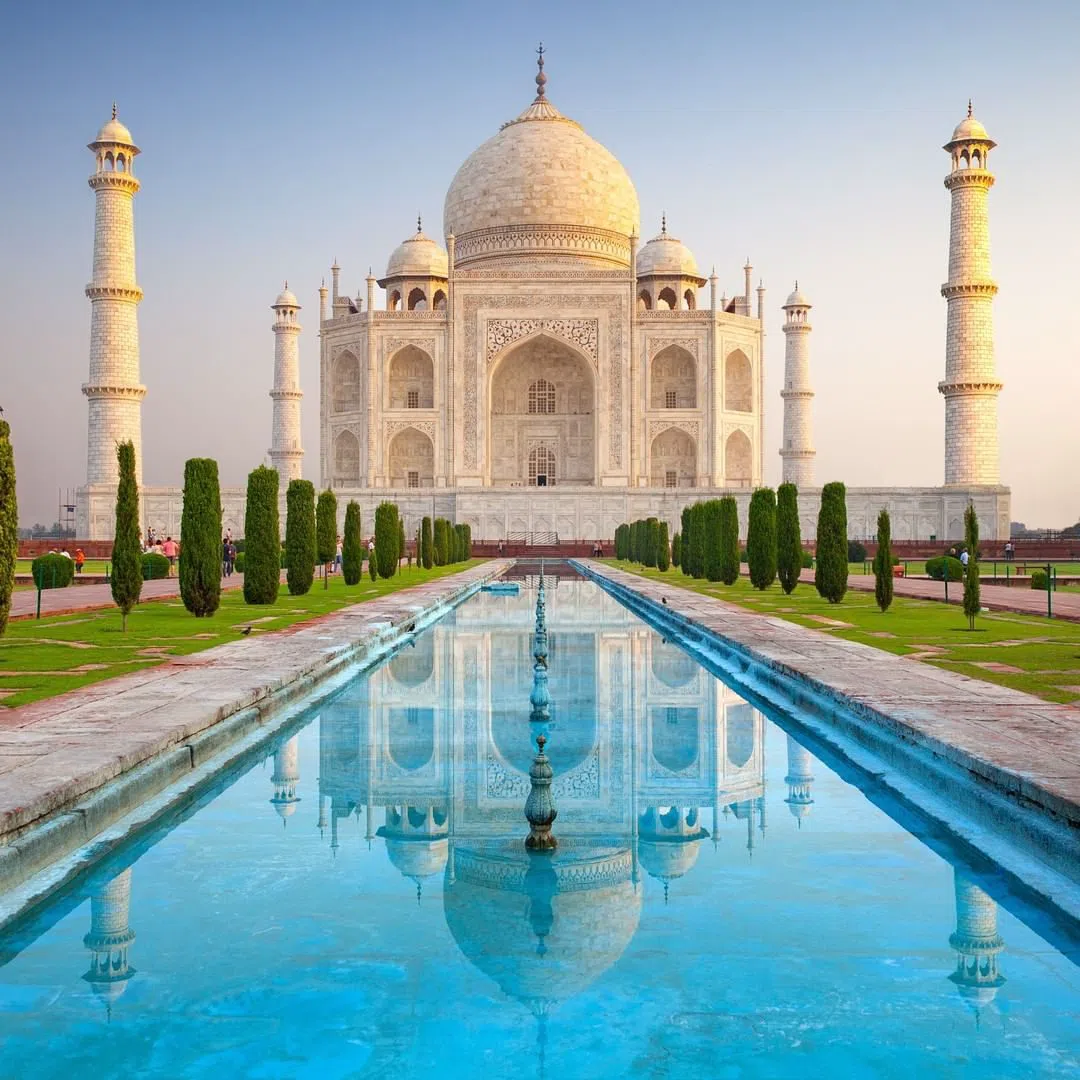
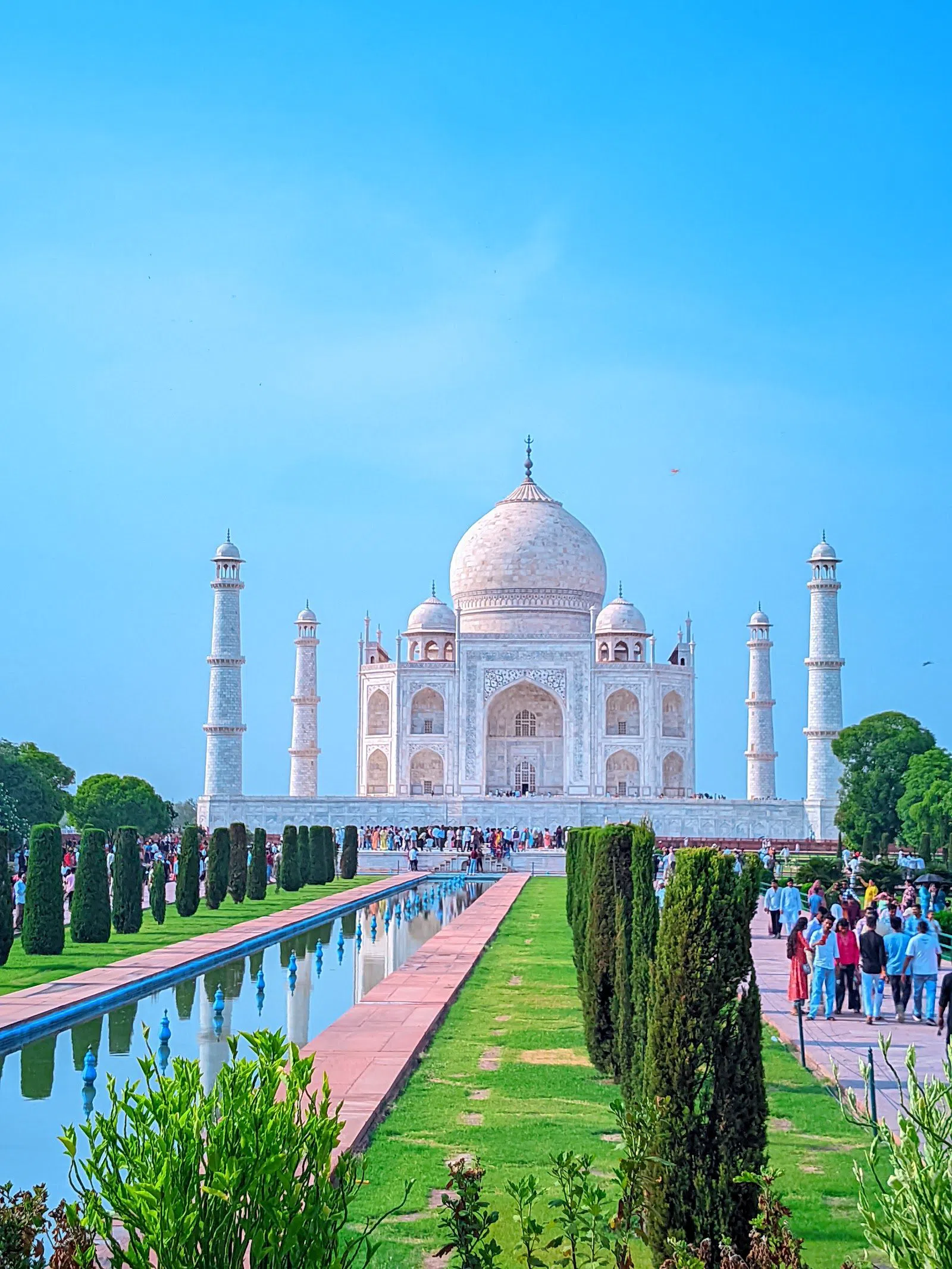
The Taj Mahal (Tajganj, the quarter directly south of it) is the fixed point every Agra itinerary is built around, and it closes to general visitors every Friday. Tickets are timed-entry and cheapest bought online, which also knocks ₹50 off: ₹1,100 for foreign nationals, ₹540 SAARC and BIMSTEC, ₹50 Indian, plus ₹200 more to step inside the mausoleum chamber. Queues are separated by nationality and security screening turns away tripods, drones and food. Night viewing, around ₹750 for foreign visitors, runs on only five nights a month: the full moon plus two either side, never a Friday, never during Ramzan.
So a Friday arrival is not a lost day. It is the day the fort is quieter and ₹50 cheaper, and it is the obvious moment to give it the full three hours instead of the hurried hour it usually gets. Two cautions: the fort is one of the few major sites open, so mid-morning is busier than a Tuesday, and the city's Friday closures stack up elsewhere, as below. If you are still shaping the trip, the broader Agra guide sets out how the rest of the week falls.
The last hour of light across the river
Mehtab Bagh (the north bank, directly opposite the Taj) is the one place to photograph the mausoleum from behind, with the sun going down river-left. It is a garden rather than a monument, and honestly a 30-40 minute stop: ₹300 foreign, ₹25 Indian, under-15s free. The catch is geometry, because the whole sunset crowd concentrates on one short stretch of river frontage. Arrive 45 minutes early if you are moving a group and want them in the front rank rather than photographing the backs of strangers.
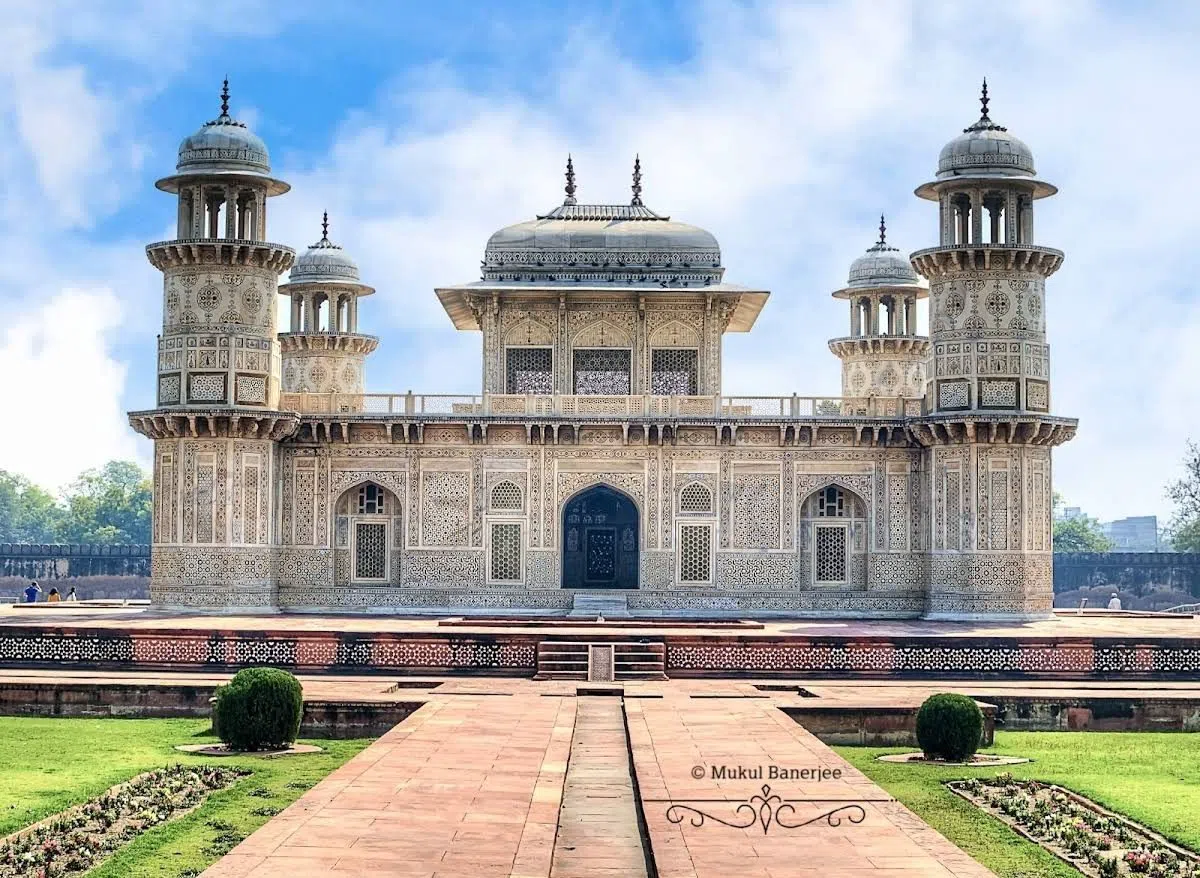
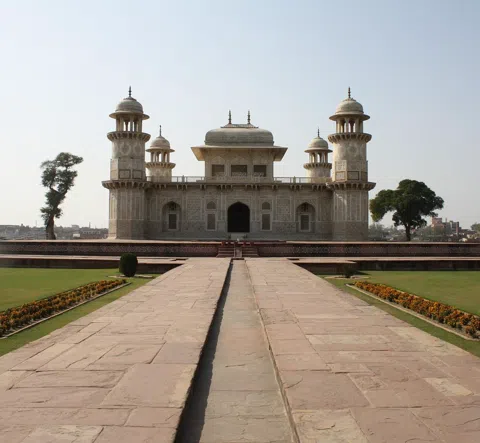
On the same bank, the Tomb of I'timād-ud-Daulah (Moti Bagh, often called the Baby Taj) is the best-value ticket in the city at ₹310 foreign, ₹30 Indian, video ₹25. It was built for Nur Jahan's father, and it is where the inlay technique that made the Taj famous was worked out at small scale, quiet enough that you can stand three feet from the pietra dura and study it. The interior chambers are tight, so split any party of fifteen or more into two waves.
Five minutes further along the same road, Chini ka Rauza (Katra Wazir Khan, on the east bank) has no gate, no staff and no ticket. It is half-ruined and under slow ASI repair, and that is the reason to go: it is the only Persian glazed-tile tomb in India, with fragments of the original blue still holding on the facade. It suits travellers who like history unfinished. It is not a coach stop and anyone expecting a restored monument will be baffled.
Also on this side, the Mughal Heritage Walk (Kachhpura village, behind Mehtab Bagh) is a community scheme where the guides are residents and the fee stays in the village, from roughly US$45 a person including hotel pickup. It is short, unglamorous and the best correction to two days of imperial architecture, but it walks through people's homes, so it needs a traveller who understands that and behaves accordingly. Book ahead.
Filling the evening
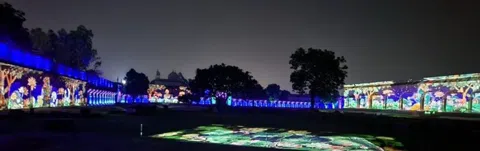
The fort has a second act. 'Rang-e-Agra: Yugon Ka Safar', the light-and-sound show, runs inside the same complex, Hindi at 6:30pm, English at 7:30pm, ₹800 for a foreign adult. Budget it as one venue rather than two, and treat it as an add-on to the fort rather than a reason to come.
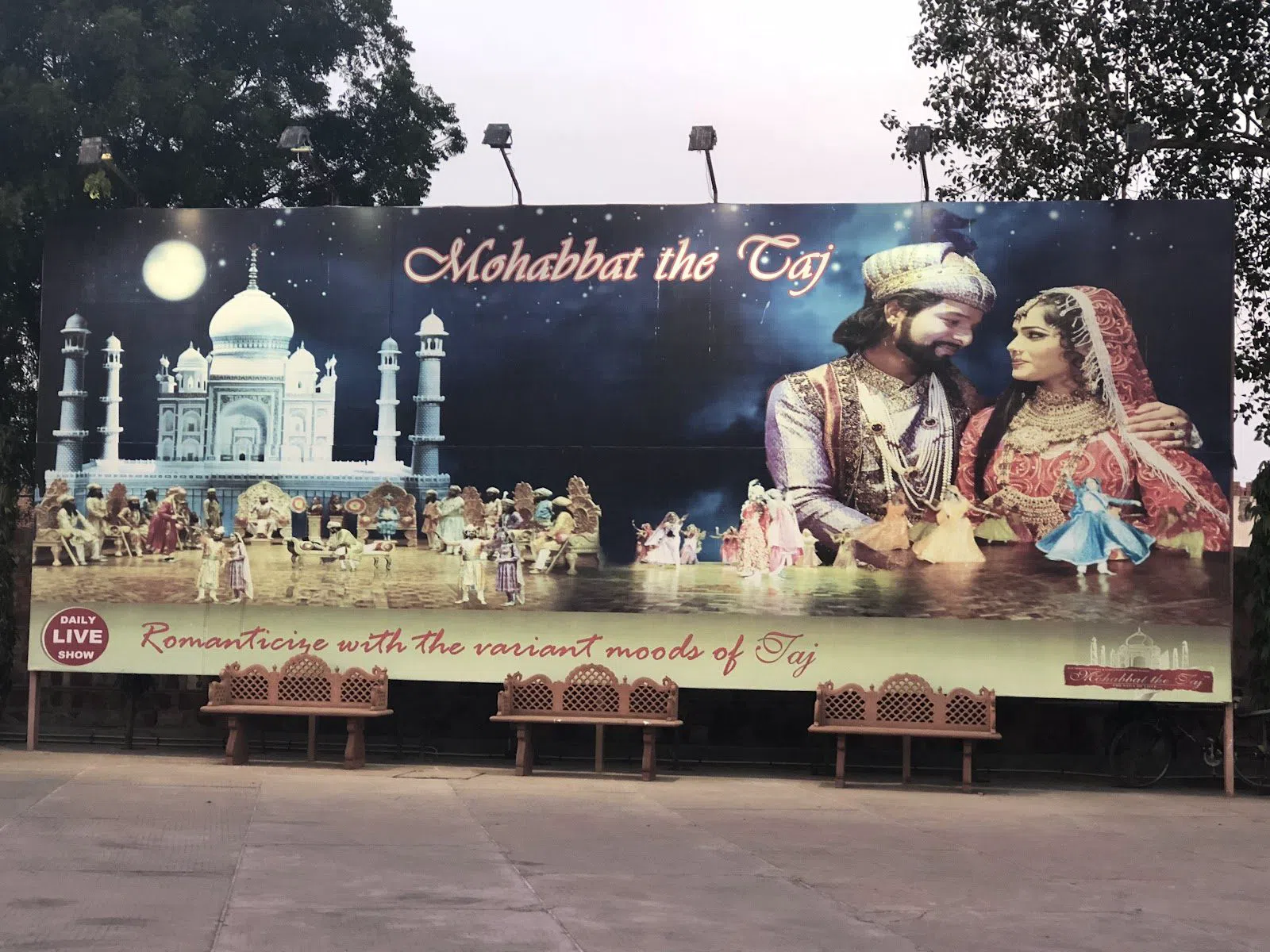
The alternative is Kalakriti Cultural & Convention Centre (Fatehabad Road), a purpose-built 300-seat theatre running 'Mohabbat the Taj', a 90-minute staged version of the Shah Jahan and Mumtaz story. From about ₹600, or around US$30 for packaged tickets with transfers and dinner. It is theatrical rather than scholarly and nobody should mistake it for history, but it fills Agra's dead evening slot, it has coach parking, and it works for mixed-age groups where a light show at a monument will not.
Straight out of Amar Singh Gate on foot
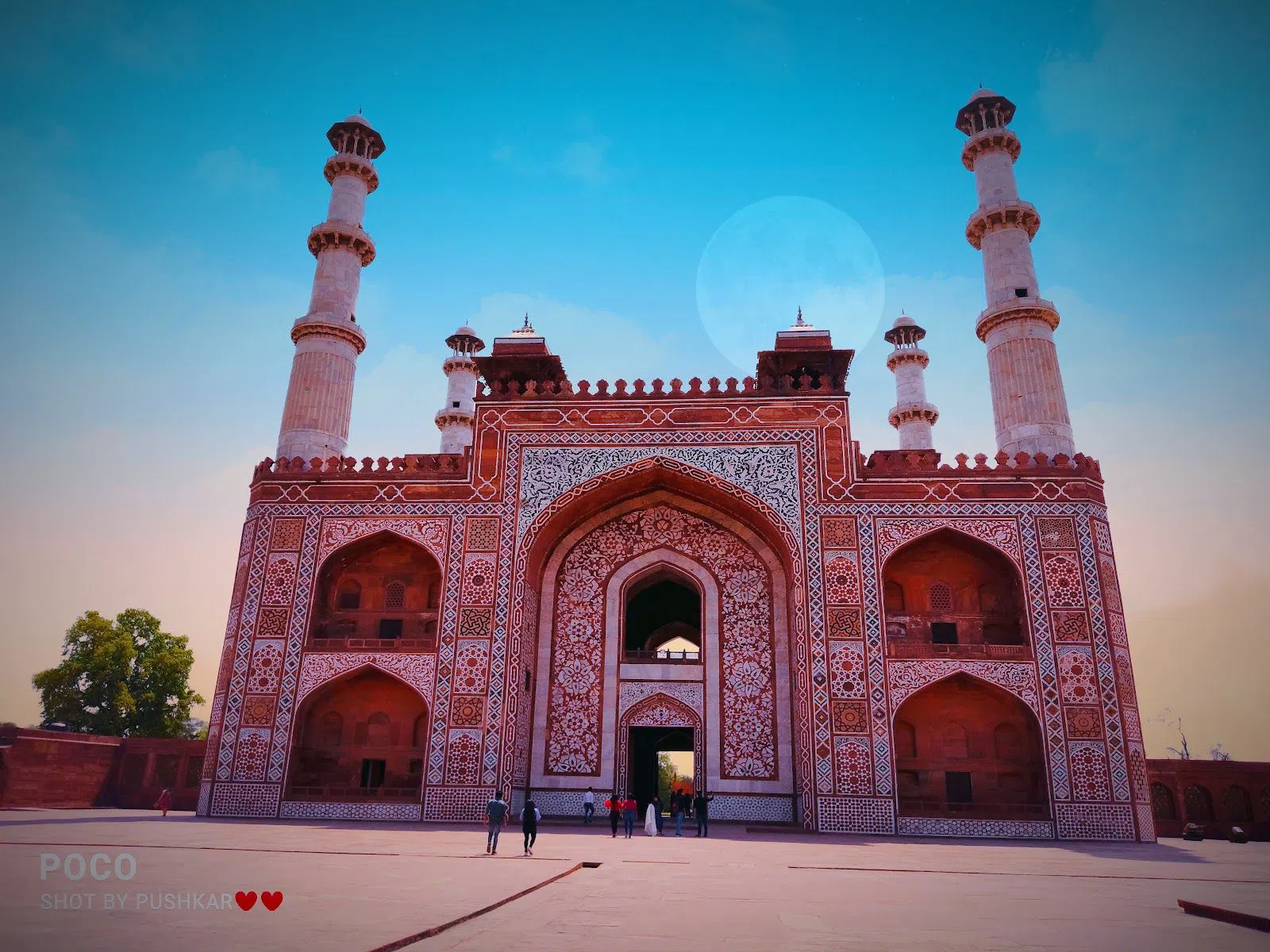
Jama Masjid (Mantola, facing the fort across the road and the railway line) is the natural next step when you leave. Jahanara, Shah Jahan's daughter, built it, and it looks directly back at the fort. It is free apart from a small photography fee, and it is a working mosque rather than an exhibit. Non-Muslim visitors are welcome outside prayer times, but it closes to tourists on Fridays and around midday. Modest dress and bare feet are required, so brief people before you arrive rather than at the steps.
Behind it, Kinari Bazaar (the old city lanes, north of the fort) is the Mughal-era trading quarter and still a working market rather than a heritage set-piece. Free to walk; everything else is haggled and most shops take cash only. The lanes narrow to single file in places, so this is a two-or-three-people proposition, ideally with a guide unless you know the layout. Reports differ on the weekly closing day (Monday for some trades, Tuesday for others), so pick any other morning and go early, before the heat and the traffic take the lanes.
Two half-days beyond the city
Fatehpur Sikri (40km west) is the best half-day out of Agra: Akbar's capital for barely fourteen years, abandoned and left largely intact. The palace complex is ticketed at ₹550-610 for foreign visitors and ₹35-50 for Indian nationals; the Jama Masjid courtyard and dargah are free. They are separate entrances, which catches people out constantly. A shuttle runs from the car park and ASI guides wait at the gate. Unofficial guides and shoe-minders work the dargah persistently, so tell a group in advance what to expect and agree who, if anyone, is paying whom.
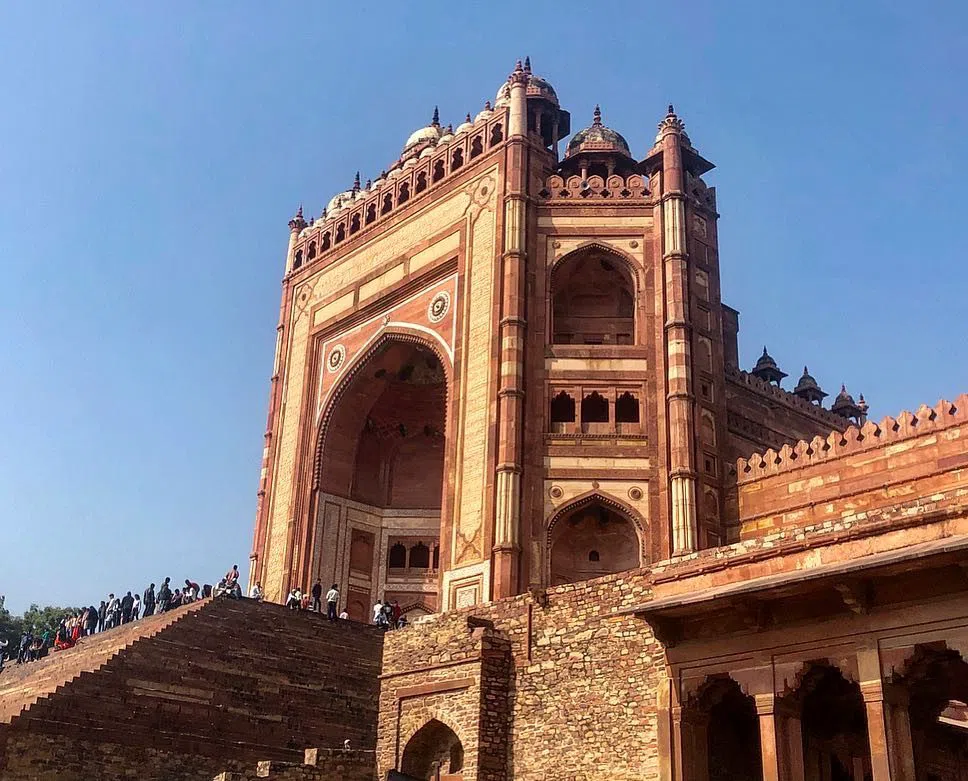
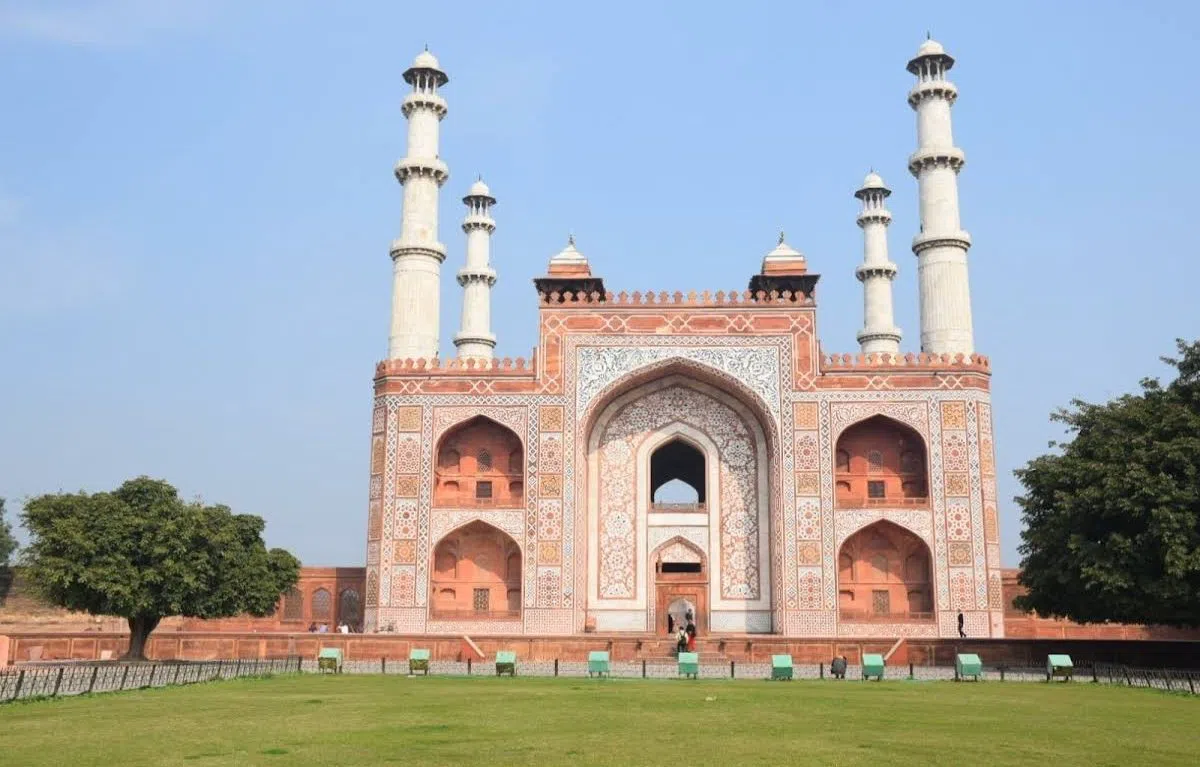
Akbar's Tomb (Sikandra, 8-10km north-west on the main highway out of town) fits an arrival or departure morning rather than a full city day. Around ₹310 foreign and ₹35 Indian, under-15s free. The grounds are vast and absorb coaches without strain, but it is a long walk from the gate to the tomb itself, so factor mobility honestly. Blackbuck graze the lawns and the gateway is enormous. It is the least Agra-like of the Mughal sites here.
Where the money does something
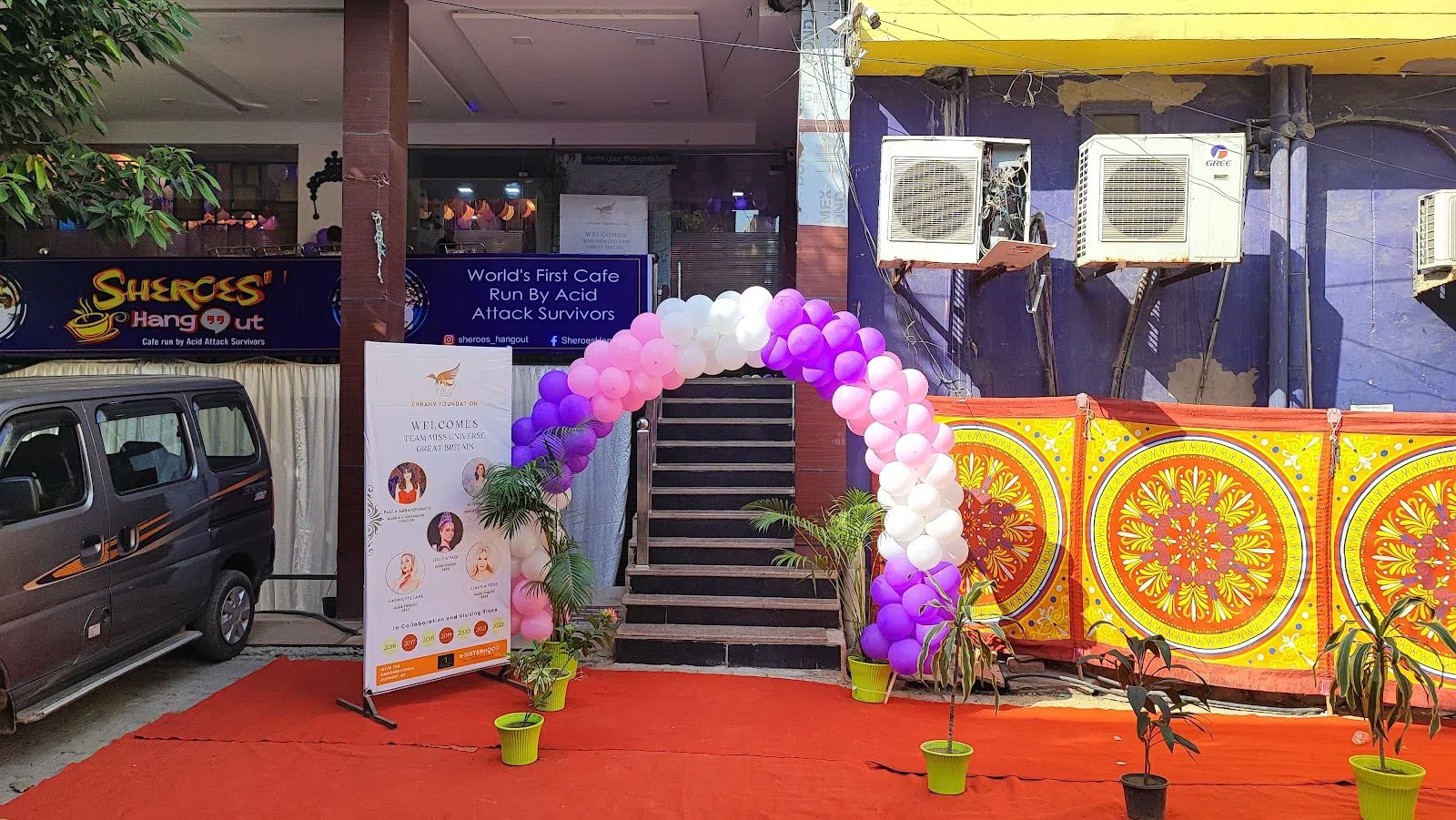
Sheroes Hangout (Tajganj, behind the Go Stops hostel) is a café run by survivors of acid attacks under the Chhanv Foundation, with takings funding surgery and legal aid. Cheap, and historically pay-what-you-feel, so confirm the model when you sit down. Open 10am-7pm daily. The older Fatehabad Road location has closed, so use the current Tajganj address rather than an old listing. The room is small: call ahead for more than eight.
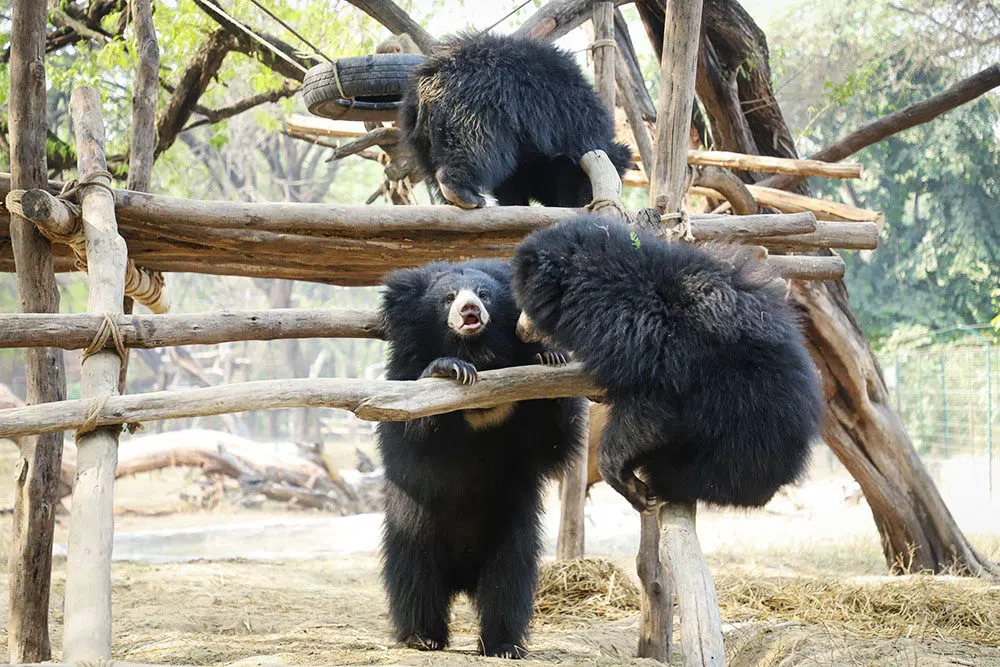
Wildlife SOS Agra Bear Rescue Facility (Keetham Lake, 17km west) is the world's largest sloth bear rescue centre, holding roughly 100-130 animals taken out of the dancing-bear trade. Forest department entry is ₹500 foreign and ₹50 Indian, plus a suggested donation of around ₹1,500 for the guided conservation visit. There are three or four slots a day between 10am and 5pm, by advance booking only, so email or phone days ahead, because it is not a walk-up attraction. No riding, no touching, keepers explain the rehabilitation. It is the direct ethical counterweight to the animal touts working the tourist roads.
Dinner
Pinch of Spice (Fatehabad Road) is the default good dinner in the city: Mughlai and frontier cooking, around ₹800-1,200 a head, open noon to 11:30pm. It seats large parties routinely, though you should still book for dinner. The mutton biryani and the dal are what it is known for.
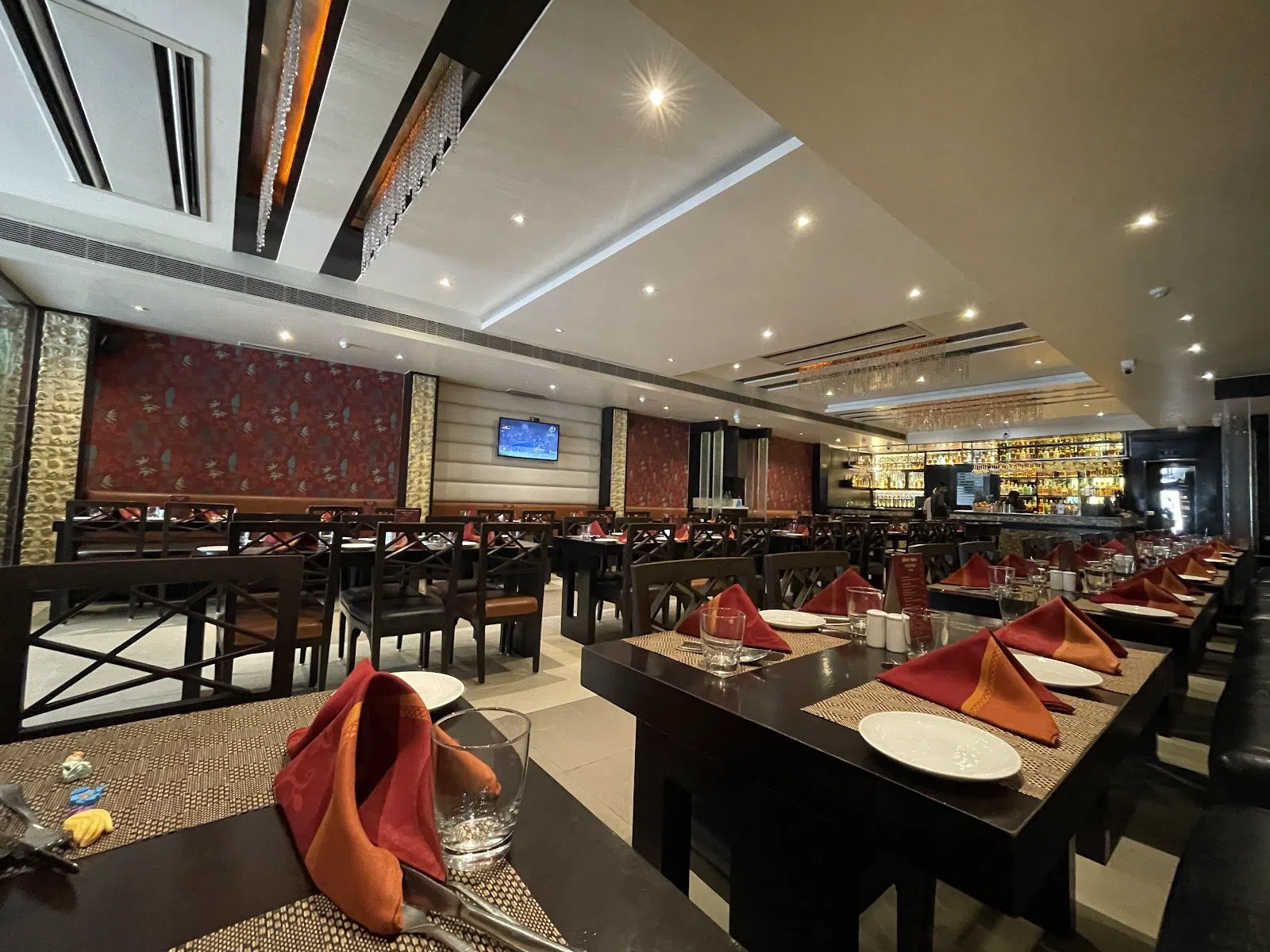
Esphahan at The Oberoi Amarvilas (Taj East Gate Road, Tajganj) is the splurge: Mughal court recipes cooked properly, in the one hotel that sits within sight of the Taj. Two seatings only, 6:30pm and 9:00pm, very few tables, smart casual, and children under eight are not admitted, which rules it out for some families. Reserve well ahead and expect a five-star bill.
Practical notes
Getting around. The core sites (fort, Taj, Jama Masjid, Kinari Bazaar) sit within a few kilometres of each other, but the east-bank chain, Sikandra at 8-10km, Keetham at 17km and Fatehpur Sikri at 40km all argue for a car and driver by the half-day. Book it through your hotel the night before rather than negotiating on the street in the morning.
Cash. Carry it. Kinari Bazaar is largely cash-only, Chini ka Rauza has no ticket booth at all, and small photography fees and shoe-minding at the mosques run on coins and small notes. Buy Taj tickets online for the ₹50 discount and the timed slot.
Timing. Gates open early and the light is best in the first two hours; midday is when the mosque closes to visitors and the fort's marble becomes hard on the eyes. Fridays: no Taj, no Jama Masjid for tourists, cheaper fort.
Budget. A foreign visitor doing the fort, the Taj with the mausoleum chamber, Mehtab Bagh and the Baby Taj spends roughly ₹2,900 in entry fees across two days, before guides, transport and the light show. Indian nationals cover the same ground for about ₹325.
Staying. Tajganj puts you walking distance from the Taj's gates and the Tajganj cafés; Fatehabad Road trades that for more restaurant and theatre choice within a short ride. Compare both on the Agra hotel search.
Before you go
Is Agra Fort worth visiting after the Taj Mahal?
Yes, and for a different reason. About 30% of the fort is open to visitors (the rest is a live Indian Army cantonment), but the open section is the palace half: Jahangiri Mahal, Khas Mahal, Anguri Bagh and the Musamman Burj, where Shah Jahan was held under his son's guard with the Taj in view downriver. It is a residential complex rather than a single set-piece building, so it is worth taking slowly.
How long should I allow at Agra Fort?
Two to three hours for the open palace section at a reasonable pace, including time to sit. If you are adding the evening 'Rang-e-Agra: Yugon Ka Safar' light-and-sound show, that runs inside the same complex, in Hindi at 6:30pm and English at 7:30pm, so treat the fort as one venue across two visits rather than two separate stops.
Do I need a guide at Agra Fort?
It is optional but more useful here than at the Taj. ASI-licensed guides work Amar Singh Gate as a matter of routine, and what you are paying for is sequence: which ruler built which wing, and why the material shifts from sandstone to marble. Sixty to ninety minutes is enough. Check the licence, and agree the price and duration before you start walking.
What is open in Agra on a Friday?
The Taj Mahal closes to general visitors every Friday and Jama Masjid closes to tourists that day too, which is why Friday is the fort day. Agra Fort stays open and is cheaper on Fridays: ₹600 for foreign nationals instead of ₹650, ₹40 for Indian and SAARC-BIMSTEC visitors. Mehtab Bagh, the Tomb of I'timād-ud-Daulah and Fatehpur Sikri are all unaffected.
How much do Agra's main tickets cost in 2026?
Agra Fort is ₹650 foreign, ₹90 SAARC-BIMSTEC, ₹50 Indian. The Taj Mahal is ₹1,100 / ₹540 / ₹50 plus ₹200 to enter the mausoleum chamber, with ₹50 off for booking online. Mehtab Bagh is ₹300 / ₹25, the Tomb of I'timād-ud-Daulah ₹310 / ₹30, Akbar's Tomb about ₹310 / ₹35. Under-15s are free at several sites, and Chini ka Rauza has no ticket at all.