The Agra issue
Arriving in Agra Without Paying the Tout Tax
Agra's arrival hustle is a commission economy rather than a mugging, and it comes apart against fixed prices: the prepaid docket at Agra Cantt, a ₹20 metro ride and the only two places a real Taj ticket comes from.

By Matteo FerraroAgra is a Mughal city, not a single monument
Agra Cantt at nine in the morning is not the scrum it is made out to be. It is a long concourse, a taxi window with a government rate card taped to the glass, and perhaps a dozen men who will tell you the window is closed, that the Taj Mahal shut yesterday for a ceremony, or that your hotel has been double-booked and they happen to know somewhere better. None of it is true, all of it is delivered with total conviction, and most of it stops working the moment you walk towards the booth like someone who has done this before.
It helps to know what you are dealing with, because it is not danger. Agra's arrival hustle is a commission economy. The man who wants to drive you is rarely chasing the fare, since ₹300 against ₹200 is not the prize. The prize is the marble showroom that pays him 30 to 40 per cent of whatever you spend inside, the guide who splits his fee, the hotel that pays a finder's cut for delivering a body to reception. Understood that way, the defence is structural rather than confrontational. You use prices you did not negotiate, windows that print what you paid, and people you booked before you got here. You do not need to be rude to anyone. You need to arrive already spoken for.
Getting in while the sun is still up
Arrival time does more work than any technique. A late sleeper deposits you into an empty forecourt in front of the only category of person still working at that hour. A mid-morning arrival puts you in front of a staffed prepaid window, an open tourist counter and a metro that is running.

The Gatimaan Express (Indian Railways, Hazrat Nizamuddin to Agra Cantt) covers the run in about 100 minutes and is the cleanest way to do it. AC chair car is ₹860 and executive class ₹1,695, roughly £8 to £16, and it runs daily except Friday. Seating is reserved only, which works in your favour. Book the whole party on one PNR and you are seated together, with no strangers shuffling between carriages while somebody watches your bags. The Friday gap matters twice over, because the Taj Mahal is closed on Fridays as well. If your only free day is a Friday, you are planning a fort-and-bazaar day, and you should know that before you buy anything.
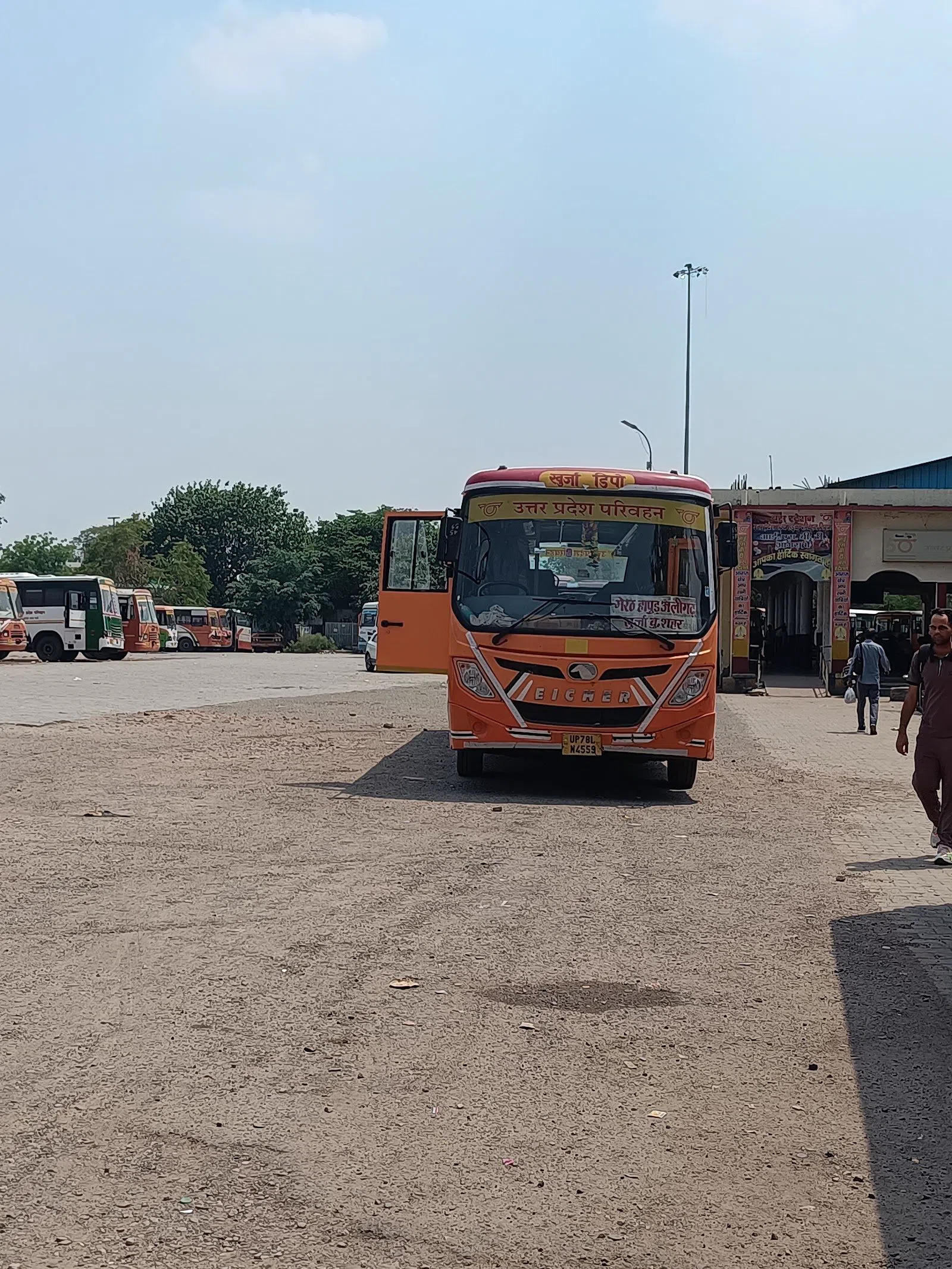
If you are coming by road, Agra ISBT (Transport Nagar, on the southern approach into the city) is the state terminal for interstate coach services, and it is the harder arrival of the two. Fares run ₹149 to ₹800, about £1.50 to £7.50, depending on whether you are in an ordinary bus, an AC service or a Volvo. Coaches take groups readily, but book seats together online rather than at the counter, where availability gets worked out loudly in front of everyone waiting. The pressure at the bays is heavier than at the railway station and it starts before your bag is off the roof rack. The move is simply to keep walking, out of the terminal, to the metro or an app cab, letting the first three offers go past you without a reply. The older Idgah stand, which some tickets still route through, handles mostly regional services rather than long-distance arrivals.
Plan your Agra trip
Live prices from our booking partners.
Free cancellation on many rooms. We may earn a commission when you book.
The first ninety seconds at Agra Cantt
Everything that goes wrong at Agra Cantt goes wrong in the gap between the platform and the road, so shorten it. Agra Cantt Railway Station's prepaid taxi booth (Cantonment, on the main concourse before the exit) is the one fixture a new arrival should head for. It issues a government-set docket per vehicle at ₹200 to ₹300, around £2 to £3, for a car to Tajganj or Fatehabad Road, and less for an auto-rickshaw. No booking is needed and there is nothing to arrange in advance. You queue, you pay, you are handed a docket, and the negotiation is over before it begins.
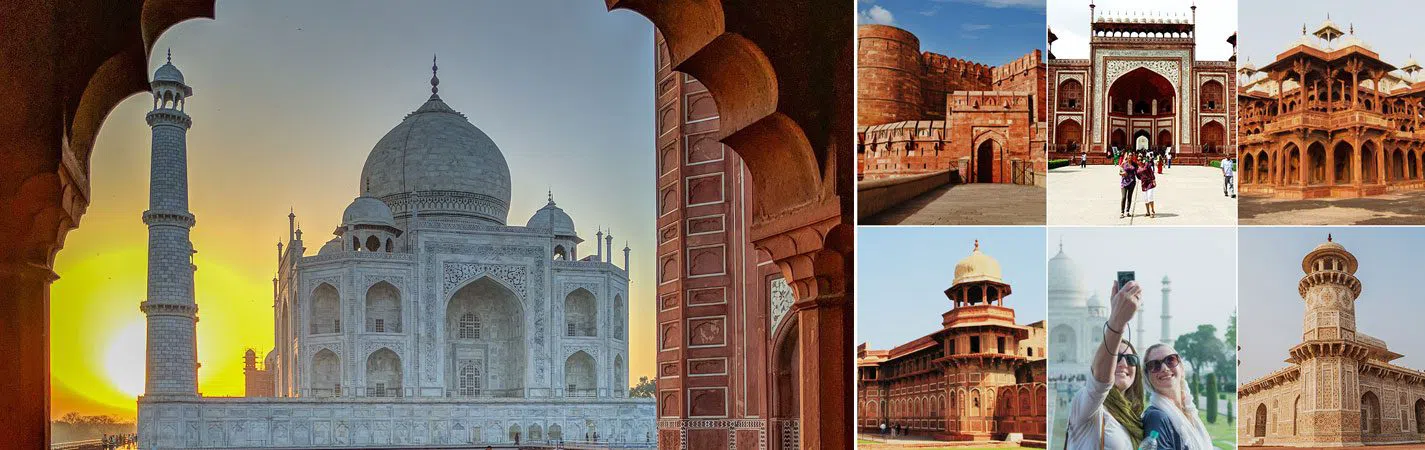
One structural detail is worth memorising. Private vehicles cannot drive past the booth, so anyone who approaches you inside the concourse offering a better rate is, by definition, not a station taxi. That single fact resolves nearly every conversation you will have in those ninety seconds. A docket covers a vehicle rather than a person, so four travellers split one car; a party of eight or ten simply queues for two or three dockets and rides in convoy.
Thirty seconds further along the concourse, the UP Tourism Reception Counter (UPSTDC, inside Agra Cantt station) is open 06:30 to 21:30, which covers almost every train arrival of the day. It costs nothing, and the staff will price a car and driver for a group and write the figure down for you. The written number is what does the work. Most of what waits outside depends on you not knowing what a half-day car or a guide should cost, and a piece of paper from a government counter removes the ambiguity entirely. UPSTDC also quotes its own cars and day tours at published rates, which are not the cheapest in Agra but are the least negotiable. The parent office sits at 64 Taj Road and keeps weekday hours of 10:00 to 17:00 if you need something more involved than a price.
Crossing Agra without a negotiation
The Agra Metro — Yellow Line opened in March 2024 and changed the arrival maths more than anything else in the past decade. Six stations run in sequence: Taj East Gate, Shaheed Captain Shubham Gupta at Basai, Fatehabad Road, Taj Mahal, Agra Fort and Mankameshwar. That links the two headline monuments by a route no driver can talk you out of. Fares are ₹10 to ₹30, under £0.30, paid with tokens at the station or by tapping an NCMC card. There is no group logistics problem at all: ten people board together with no arrangement, no vehicle count and no docket. When someone tells you the fort is impossible to reach without a car, the metro is the answer.
Uber (operating across Agra, with Ola as a fallback) is fine for straight A-to-B transfers, for a narrow but real reason. The fare is fixed in the app before you get in, so there is nothing to argue about at the far end. Expect ₹100 to ₹400, about £1 to £4, for trips across town, and around ₹2,200 for the long intercity run north. Cars seat four and there is no minibus tier locally, so a party of six is ordering two cars and agreeing a meeting point in advance. Be realistic about the failure mode: at sunrise and through peak season, drivers cancel short trips to chase offline day-tour deals, and you can watch three drivers cancel in a row at 05:40 with a timed monument ticket in your pocket. Keep the prepaid booth or the metro as plan B rather than discovering you need one.
Where a real Taj ticket comes from
A surprising share of Agra's trouble is ticket trouble. Entry is handled at the Taj Mahal East Gate and Shilpgram Entry Complex (Archaeological Survey of India, Taj Ganj, east side), and tickets come from exactly two places: the ASI window at the complex, or online at tajmahal.gov.in and asiagracircle.in. No hotel, no driver and no man with a lanyard sells a genuine ticket, whatever the laminated card says.
Current pricing is ₹1,100 for foreign visitors plus ₹200 for the mausoleum interior, ₹50 for Indian nationals and ₹540 for SAARC and BIMSTEC visitors. The site is closed on Fridays. Two details save money and irritation on the day. First, the battery bus from Shilpgram to the gate is already included in the foreign ticket, so it should never be charged for again, and being asked for it separately is the clearest early signal that you are being worked. Second, East Gate is the quieter of the two main entrances, because coach parties default to the West Gate; it handles groups all day but the queue behaves better.
Guides, licences and the number worth saving
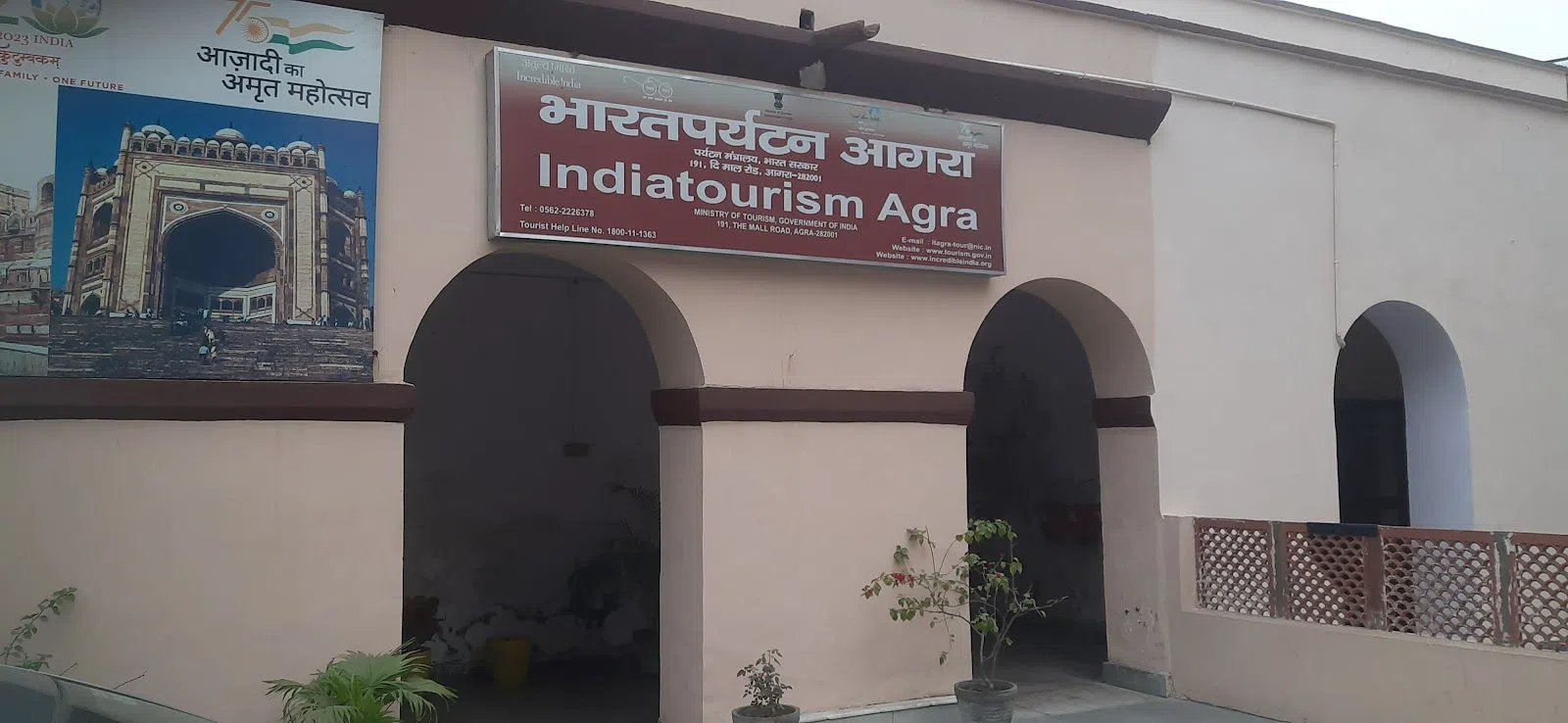
India Tourism Agra (Ministry of Tourism, 191 The Mall) exists precisely for the question you will want answered: whether the government approved guide who found you outside the gate actually holds a Ministry licence. Staff will verify a guide's licence number or an agency's credentials for a party of any size, free, and the number to keep in your phone is the national tourist helpline, 1363. Nobody legitimate objects to being checked.
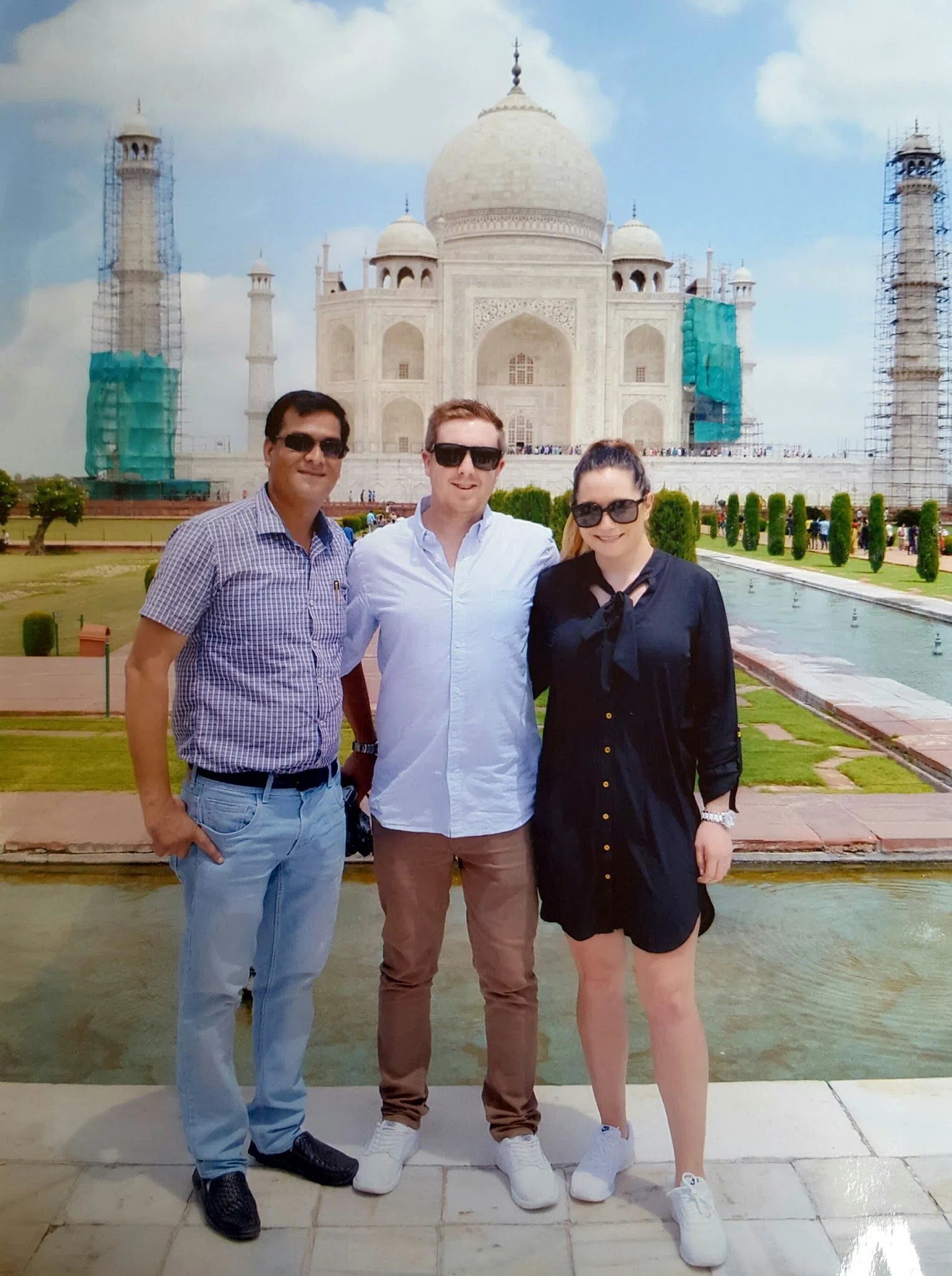
Booking a guide in advance is the cleaner version of the same protection, because an escorted visitor is left alone at the gates. Taj Tour Guide (a registered panel of Ministry of Tourism-approved guides working across Agra) charges roughly ₹2,000 to ₹4,500, about £19 to £42, per guide per half day, excluding monument tickets. Guides hold police character certification, rates are benchmarked to IATO norms, they work in English and several European languages, and hotel pickup is arranged the night before. Private groups of any size are fine, and the cost is per guide, not per head, so it lands more gently on a family of five than on a solo traveller.
For the city rather than the monument, SoulWalks (formerly Agra Heritage Walks, old city routes) runs small-group and private walks through the bazaars, Jama Masjid and the artisan workshops, at roughly ₹1,500 to ₹3,500 per person, about £14 to £33, depending on the walk and party size. Book by phone or email in advance; larger parties get split across guides rather than herded. The practical argument for doing this on your first morning is navigational. Once someone has walked you through the lanes, you can go back alone in the afternoon and be visibly unlost, which changes how you are approached.
The shopping stops that pay your driver
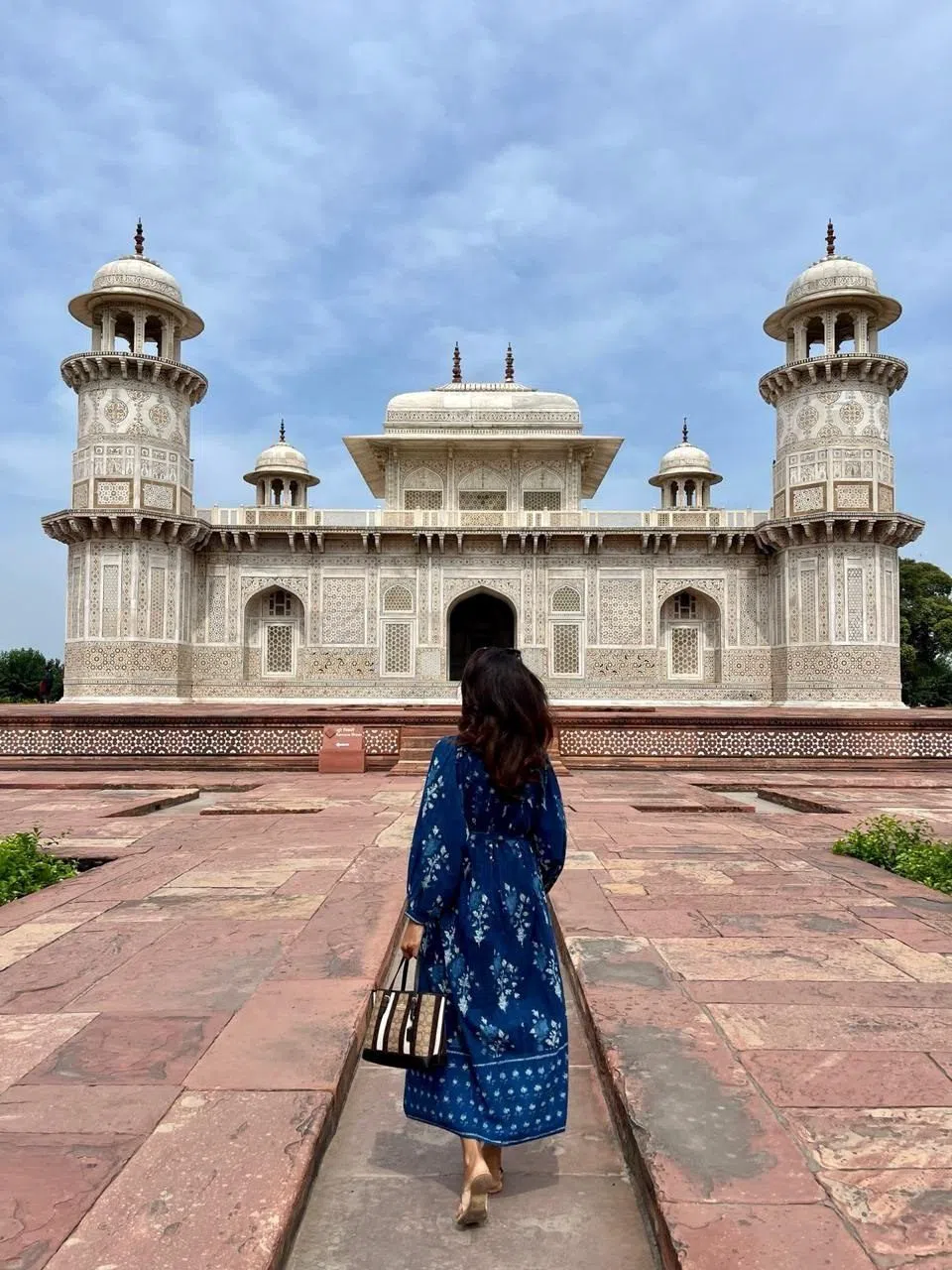
The marble factory your driver suggests is almost always a commission stop paying him 30 to 40 per cent of whatever you spend, which is why the detour appears unprompted and why the tea is free. Subhash Emporium (marble inlay showroom, Gwalior Road side of the city) is the useful counterexample: sixty-plus years of pietra dura, no commission arrangements with drivers, and, unusually for Agra, barely any work with guides at all. That is exactly why it is worth going out of your way for. Prices start from around ₹1,500, about £14, for a small inlaid box and run into the lakhs for tabletops. It takes small groups but does not handle coach parties, so this is a stop for couples, families and pairs rather than a tour of twenty.
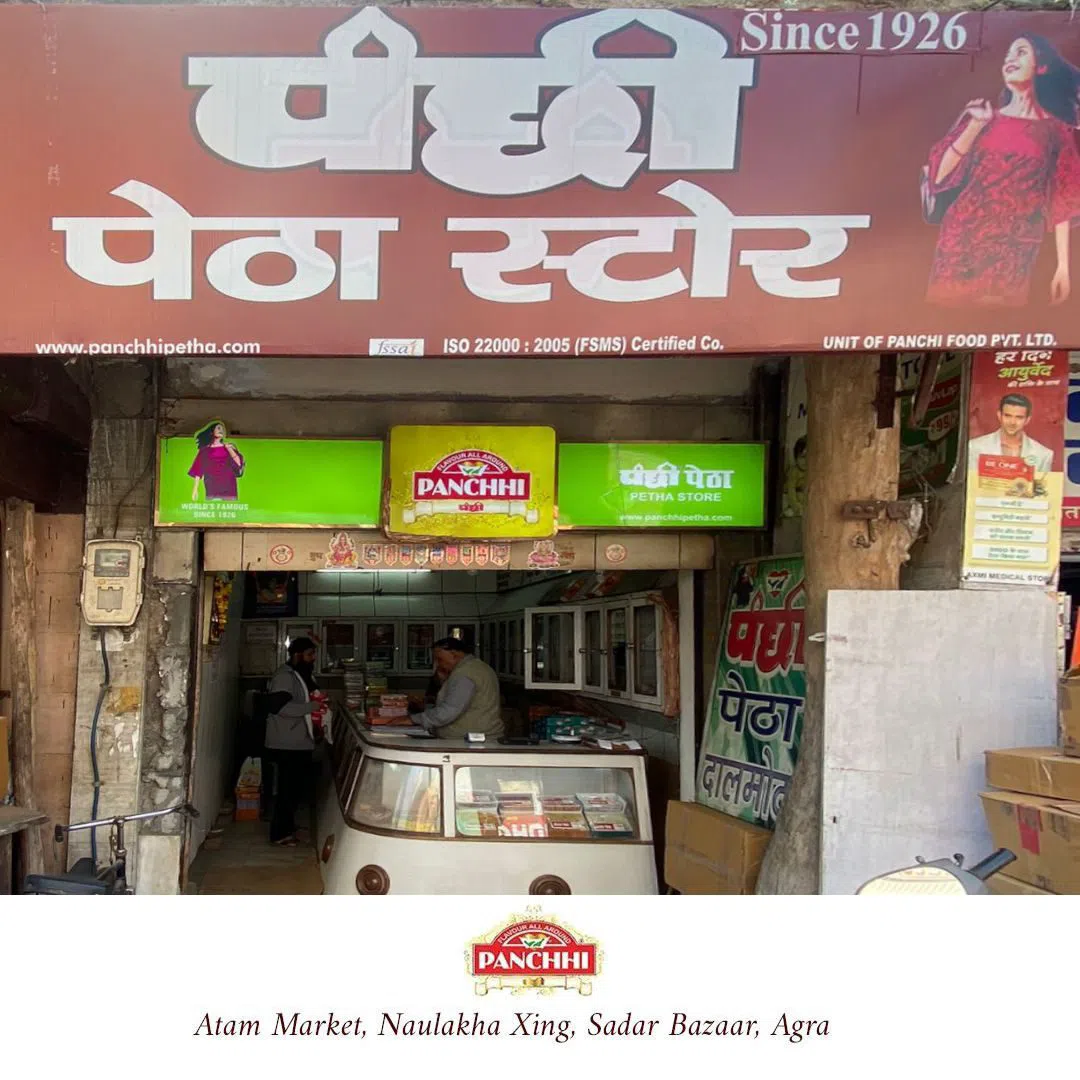
The same pattern applies to Agra's signature sweet. Panchhi Petha (Panchhi Foods, the 1926 original, with outlets including Sadar Bazaar and Noori Gate) publishes a list of its company shops, two of which sit near the Taj East Gate. Check that list, because upwards of a thousand copycat shops trade on the name and a driver's insistence that he knows the real Panchhi rarely survives contact with it. Counter service, no limit, ₹200 to ₹600 per kilo box, and a boxed order for a whole tour group takes minutes.
Beds that come and get you
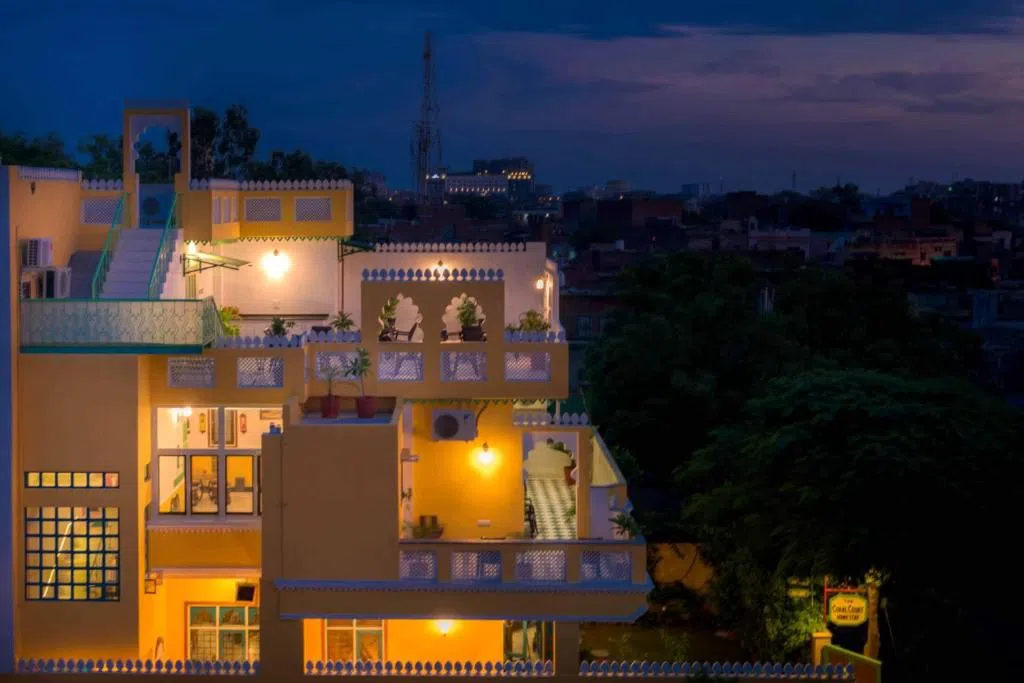
The most effective anti-tout measure available is a hotel that removes the forecourt from your day entirely. The Coral Court Homestay (Taj Nagari, seven hundred metres from the Taj) will send a known driver to meet you at Agra Cantt, which means the concourse walk ends at a person holding your name rather than at the taxi rank. It is a small property from around ₹3,000, about £28, a night, best suited to couples, families and parties up to roughly eight, and it arranges cars and tuk-tuks for guests through the stay.
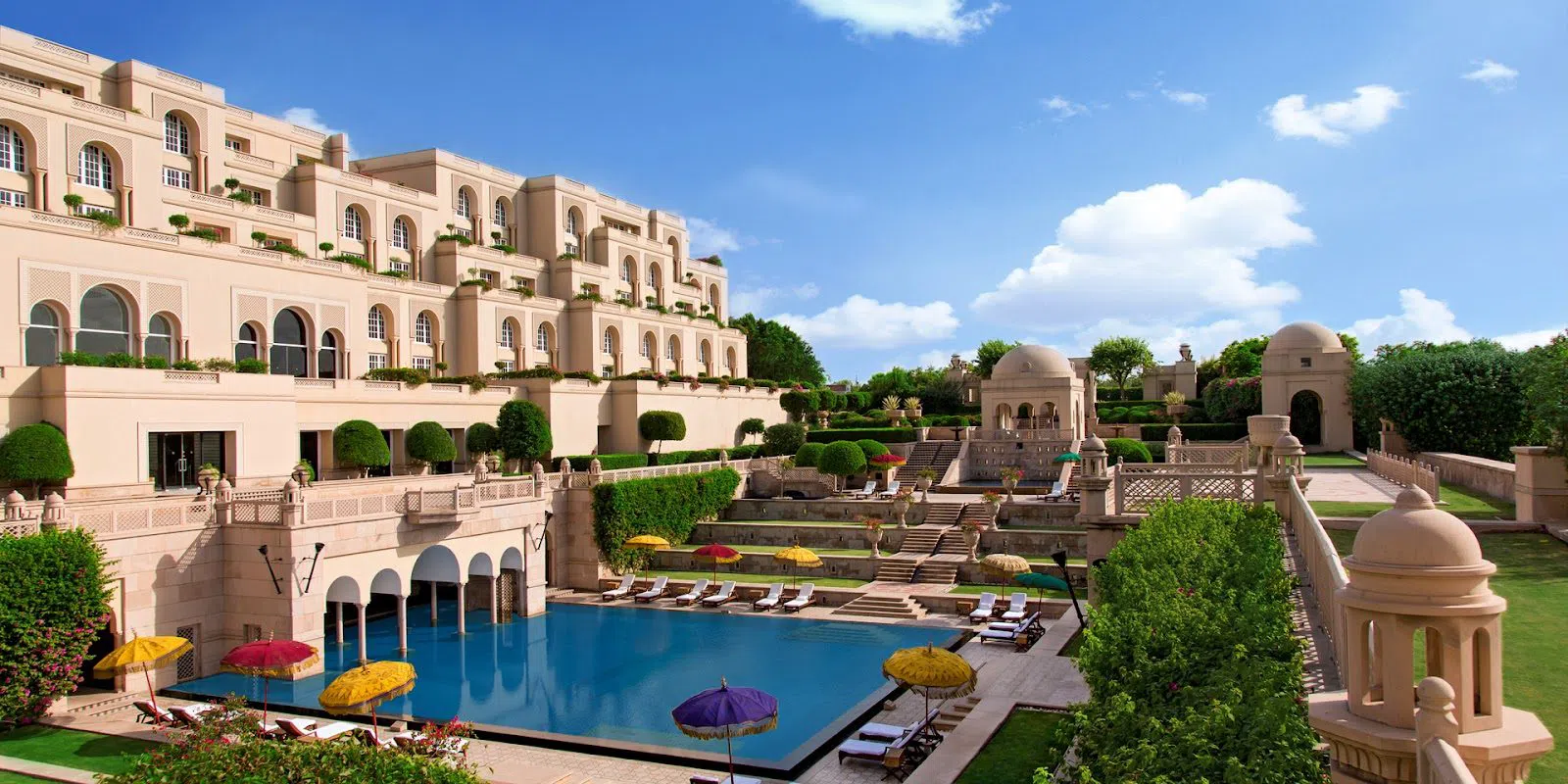
At the other end, The Oberoi Amarvilas (Taj East Gate Road) runs a complimentary golf-buggy shuttle to the East Gate on demand, so guests never walk the approach road at all, which is why it dominates sunrise logistics in Agra. From around ₹55,000, about £520, a night, with group bookings and buyouts handled. Between those two poles there is a deep mid-market along Fatehabad Road and in Taj Nagari; compare rates and station-pickup policies on the Agra hotel search and treat airport-style transfer arrangements as a feature you are paying for, not an upsell.
A place to sit down when the arrival goes badly
Some arrivals go wrong anyway, whether it is a cancelled cab, a wrong-gate walk in 40°C, or an argument you did not want. Sheroes Hangout (Taj Nagari Phase 1, ten minutes' walk from the Taj) is the right place to reset. It is run by the Chhanv Foundation with acid-attack survivors on staff, opens 10:00 to 19:00, and costs ₹200 to ₹500 a head. Nobody sells you anything, the wifi works, and profits fund surgeries and legal aid. Small groups turn up without booking; call ahead for a dozen or more.

Practical notes
Transport comes down to three things: a prepaid docket out of Agra Cantt, the metro between the monuments, an app cab for anything awkward. Fares to expect are ₹200 to ₹300 station to Tajganj or Fatehabad Road, ₹10 to ₹30 per metro journey, ₹100 to ₹400 for a cross-town Uber. Never let a driver hold your bags while you decide.
Carry small notes. The prepaid booth, autos, the metro token window and the sweet counter all work more smoothly with ₹100s than with a ₹2,000 note, and being unable to make change is the oldest lever in the city. Monument tickets are cleanest bought online by card; foreign cards do not always onboard onto Indian UPI apps, so do not plan around it.
On timing, arrive in daylight. The UP Tourism counter runs 06:30 to 21:30, the Taj closes Fridays, and the Gatimaan does not run Fridays either. Sunrise at the East Gate is worth the alarm, but book the car the night before rather than trusting an app at 05:30.
A realistic first-day budget for one foreign visitor: ₹860 train, ₹250 prepaid car, ₹1,300 Taj entry with the mausoleum, ₹30 metro, ₹300 of petha, which comes to a little over ₹2,700 before food and bed, plus ₹2,000 to ₹4,500 if you split a licensed guide across the party. For where to go once the arrival is behind you, the Agra guide covers the rest of the city.
Before you go
Is the prepaid taxi booth at Agra Cantt actually cheaper than negotiating?
It is cheaper and, more usefully, it is fixed. A docket to Tajganj or Fatehabad Road costs ₹200 to ₹300 at a government-set rate, and private vehicles cannot drive past the booth, so anyone offering you a better rate inside the concourse is not a station taxi. The docket covers a vehicle rather than a person, so four travellers split one.
Where can I buy a genuine Taj Mahal ticket?
Only from the Archaeological Survey of India window at the East Gate and Shilpgram entry complex, or online at tajmahal.gov.in and asiagracircle.in. No hotel, driver or man with a lanyard sells a real one. Entry is ₹1,100 for foreign visitors plus ₹200 for the mausoleum interior, ₹50 for Indian nationals and ₹540 for SAARC and BIMSTEC visitors, and the site is closed on Fridays.
How do I check whether a guide is really government approved?
Walk into India Tourism Agra at 191 The Mall and ask them to verify the licence number. It is free, and they will do it for any size of party. The national tourist helpline, 1363, is worth saving in your phone. Booking a Ministry of Tourism-approved guide in advance, at roughly ₹2,000 to ₹4,500 per guide per half day, avoids the question entirely.
Should I go to the marble factory my driver recommends?
Assume it pays him 30 to 40 per cent of whatever you spend, which is why the detour appears without you asking. Subhash Emporium is the alternative worth the trip because it has no commission arrangements with drivers and barely works with guides; small inlaid boxes start around ₹1,500.
Does the Agra Metro actually help a visitor, or is it just for commuters?
It helps a lot. The Yellow Line has run since March 2024 across six stations including Taj East Gate, Taj Mahal and Agra Fort, so the two headline monuments are linked by a ₹10 to ₹30 ride that no driver can talk you out of. A group of ten boards together with no arrangement at all.