
Agra
Agra is a city defined by a singular, monumental masterpiece, yet experienced through a haze of diesel exhaust, persistent touts, and chaotic streets.
Guests & rooms
The Agra guide
An insider’s read on Agra
AAgra is a city defined by a singular, monumental masterpiece, yet experienced through a haze of diesel exhaust, persistent touts, and chaotic streets.
Once the seat of the Mughal Empire at its peak, Agra was the center of wealth, art, and architectural ambition under emperors Akbar, Jahangir, and Shah Jahan. This imperial legacy left behind massive red sandstone fortresses, delicate marble tombs, and formal Persian-style gardens along the Yamuna River. Today, that grand history is layered over a dense, fast-paced North Indian commercial hub known for its leather goods, stone inlay work, and intense street commerce.

PLATE IAgra, India

Guides & ideas
The Agra reading list
Hand-written guides from our editors — itineraries, the best of after dark, where to eat, and what’s genuinely worth your time.
Agra in October When the Air Finally Dries Out
The monsoon leaves, the Yamuna stays full and the marble reads white again. How to plan an Agra trip around the first genuinely comfortable month of the season.
Arriving in Agra Without Paying the Tout Tax
Agra's arrival hustle is a commission economy rather than a mugging, and it comes apart against fixed prices: the prepaid docket at Agra Cantt, a ₹20 metro ride and the only two places a real Taj ticket comes from.
Where to Stand in Agra When the Taj Mahal Turns Gold
The good Taj Mahal vantage points in Agra all close, empty or fill at about the same moment, so here is how to pick one and get there in time.
Delhi to Agra and Back Without Rushing the Taj
A workable one-day plan for the Taj Mahal, Agra Fort and the river-bank gardens, with the train times, ticket slots and commission traps that decide whether the day works.
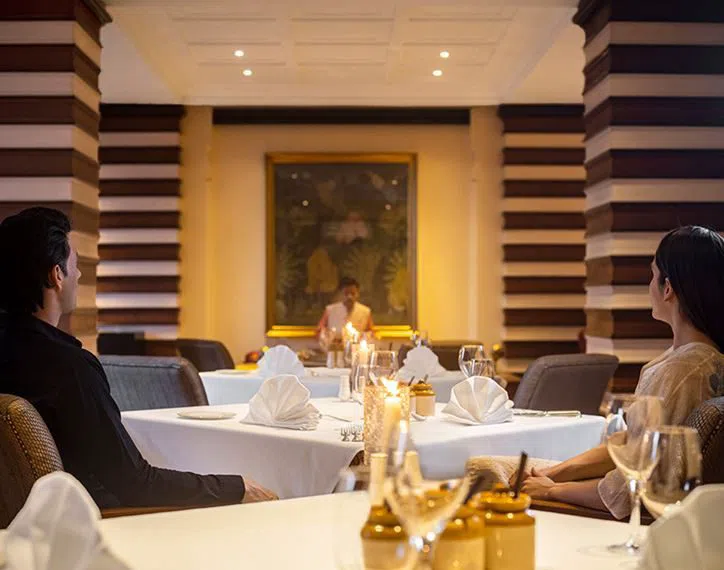
The Mughal Kitchen: Agra's Forgotten Royal Recipes and the Restaurants Reviving Them
From a five-star recreation of the imperial table to a halal dhaba doing dum mutton biryani for less than a bottle of water at the Taj gate, here's where Agra's Mughlai cooking actually survives in 2026.
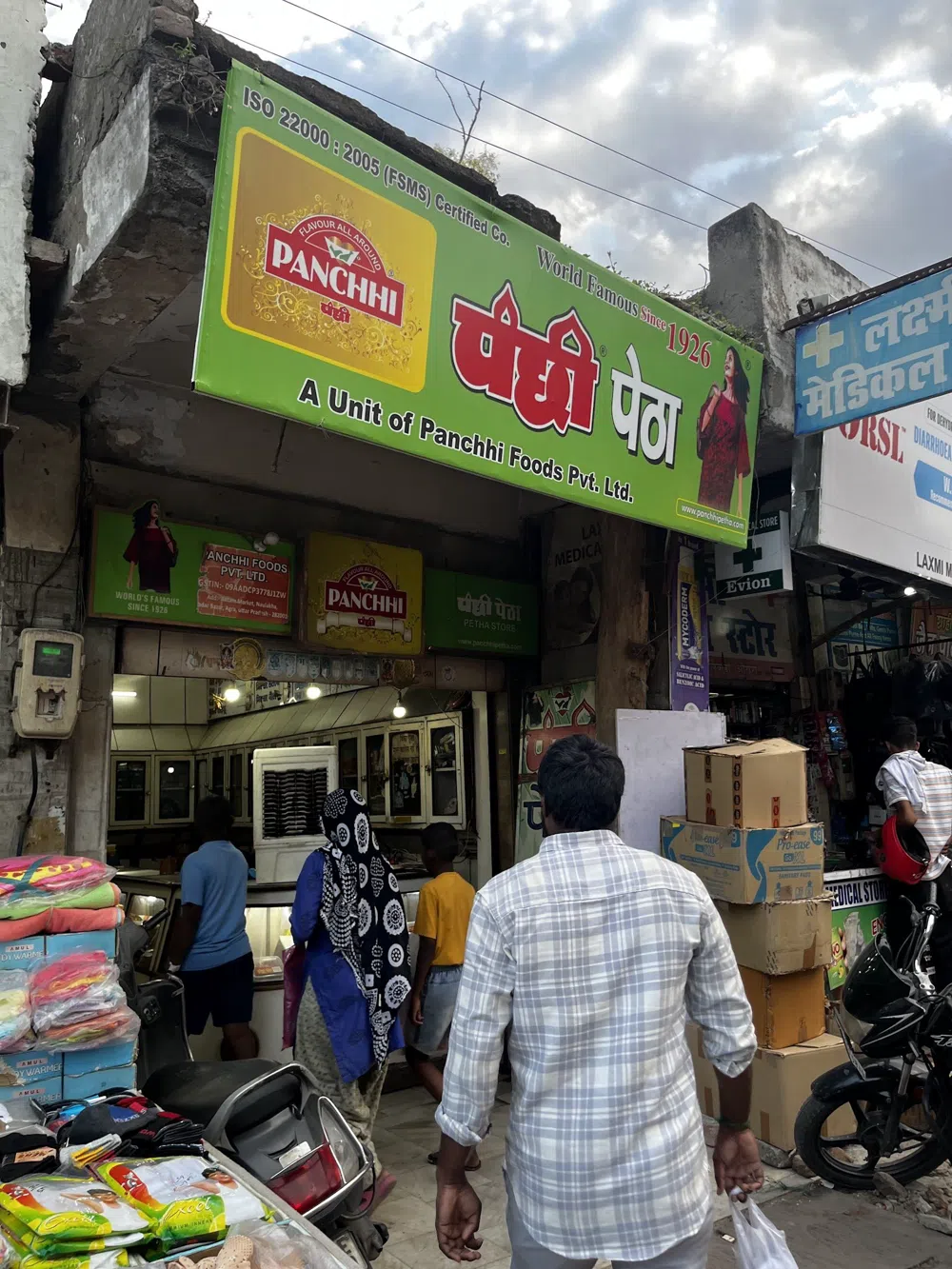
The petha sweet trail — Agra's famous ash-gourd candy, the shops that invented it, and the backstreet makers still doing it by hand
A walkable trail through Agra's ash-gourd candy trade in 2026, from the 1926 counter with the strongest claim to inventing it to the marble-slab alley shops still cutting it by hand.
Where to base yourself
The neighborhoods
01
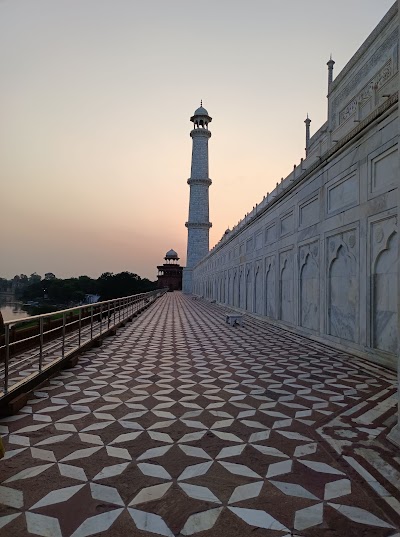
Taj Ganj
For Budget travelers and those who want to walk to the Taj Mahal gates at dawn. The trade-off is constant attention from souvenir vendors and aggressive touts.
A dense, labyrinthine grid of narrow alleys, budget guesthouses, rooftop cafes, and souvenir shops directly south of the Taj Mahal.
Where to stay — Basic guesthouses, budget hostels, and mid-range hotels located just outside the security perimeter.
02
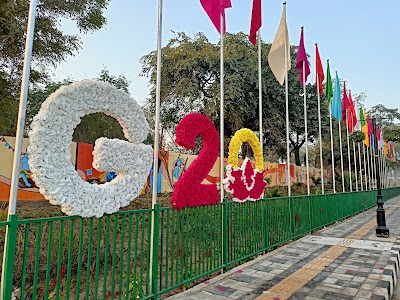
Fatehabad Road
For Travelers seeking comfort, reliable dining, and a buffer from the city's intense street level. The trade-off is a lack of historical character and the need for transport to reach the monuments.
A modern, multi-lane commercial strip lined with upscale international hotels, shopping plazas, and air-conditioned restaurants.
Where to stay — Luxury chain hotels and premium business properties.
03
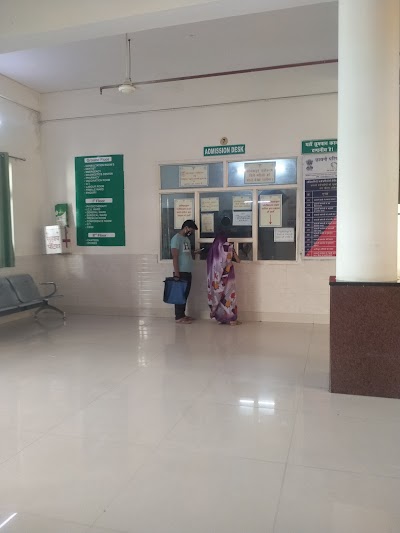
Cantonment (Sadar Bazar)
For Those looking for a peaceful base near the main railway station. The trade-off is the distance from the Taj Mahal, requiring a short drive for sightseeing.
A leafy, well-planned military zone featuring colonial-era bungalows, wide roads, quiet parks, and organized shopping streets.
Where to stay — Heritage hotels and quiet, mid-range boutique properties.
04
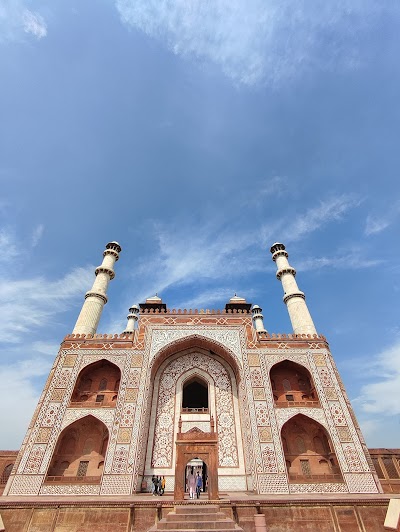
Sikandra
For History enthusiasts focused on Mughal architecture who prefer to stay away from the central tourist hub. The trade-off is heavy highway traffic and a long commute to the Taj Mahal.
A busy suburban area on the highway leading toward Delhi, dominated by the massive tomb complex of Emperor Akbar.
Where to stay — Mid-range transit hotels and budget guesthouses.
05
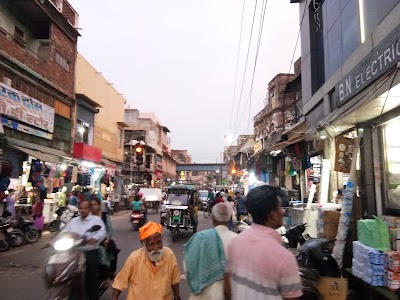
Belanganj & Old City
For Photographers and adventurous travelers seeking authentic local life. The trade-off is extreme noise, crowds, and a lack of modern tourist amenities.
The chaotic, historic commercial heart of Agra near the Yamuna River, filled with wholesale spice markets, old havelis, and narrow lanes.
Where to stay — Not recommended for overnight stays; best visited on daytime excursions.
06
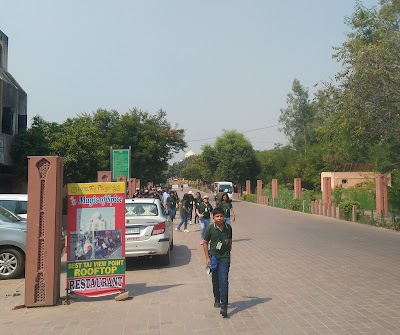
Taj East Gate Road
For Luxury travelers who want immediate, hassle-free access to the monument without sacrificing peace and quiet. The trade-off is premium pricing for accommodation and dining.
A manicured, quiet corridor leading to the eastern entrance of the Taj Mahal, lined with high-end resorts and green buffers.
Where to stay — Five-star luxury resorts and high-end boutique hotels.
Book direct
Book a hotel in Agra
Loading live availability and real-time prices…
Where to eat
Dining
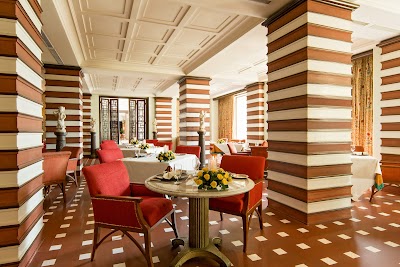
Esphahan
€€€€Taj East Gate Road (Inside The Oberoi Amarvilas)
It offers the most refined Mughlai dining experience in the city, accompanied by live classical sitar music in an intimate, candlelit setting.
Signature — Raan-e-Esphahan (slow-roasted, tender leg of lamb marinated in aromatic spices)
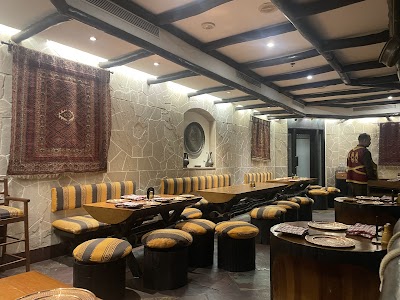
Peshawri
€€€€Fatehabad Road (Inside ITC Mughal)
It serves exceptional, robust tandoori and clay-oven dishes from the Northwest Frontier, prepared in an open kitchen where diners eat with their hands.
Signature — Dal Bukhara (black lentils slow-cooked over charcoal for eighteen hours with tomatoes, ginger, and garlic)
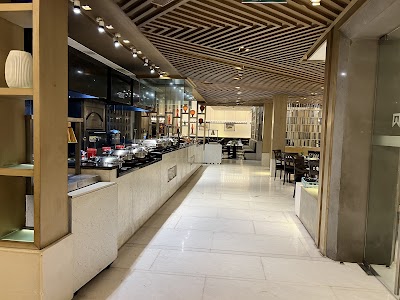
Taj Bano
€€€Fatehabad Road (Inside ITC Mughal)
An elegant dining room that showcases authentic, heritage recipes from the royal kitchens of the Mughal dynasty.
Signature — Murg Korma (chicken slow-cooked in a rich yogurt, nut, and spice gravy)
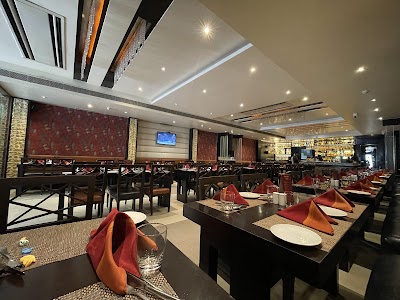
Pinch of Spice
€€Fatehabad Road
A highly popular local institution known for serving consistently excellent, richly spiced North Indian curries in a comfortable, air-conditioned dining room.
Signature — Murg Boti Masala (boneless chicken tikka cooked in a thick, spicy onion and tomato gravy)
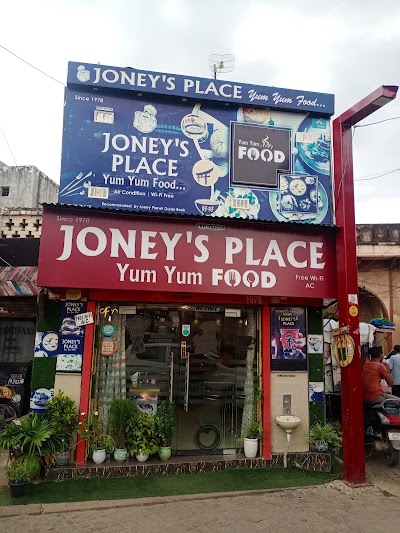
Joney's Place
€Taj Ganj
A legendary, tiny budget diner that has served travelers simple, freshly prepared comfort food since 1978.
Signature — Banana Lassi (a thick, sweet yogurt drink prepared fresh at the counter)
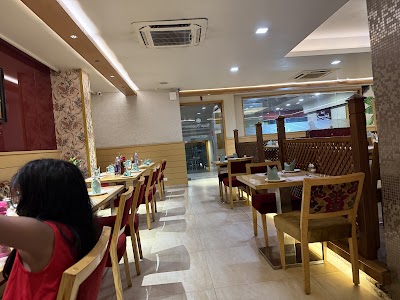
Dasaprakash
€€Gwalior Road
A clean, reliable venue specializing in South Indian vegetarian cuisine, offering a light break from the heavy gravies of Northern India.
Signature — Special Deluxe Dosa (a thin, crispy rice crepe stuffed with spiced potatoes and served with sambar)
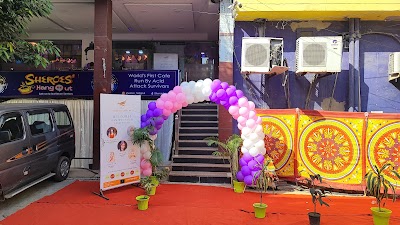
Sheroes Hangout
€Fatehabad Road
A unique, inspiring cafe run entirely by female survivors of acid attacks, serving simple home-style vegetarian food on a pay-as-you-wish basis.
Signature — Lemon Ginger Tea served with fresh vegetable pakoras
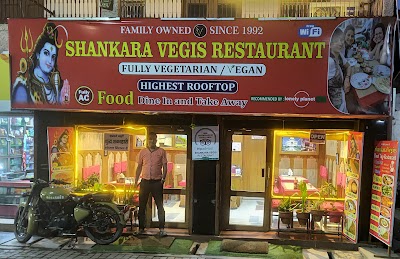
Shankara Vegis
€Taj Ganj
A relaxed rooftop restaurant offering simple, freshly cooked vegetarian thalis with views of the Taj Mahal dome.
Signature — Special Thali (a platter of various curries, lentils, rice, flatbread, and yogurt)
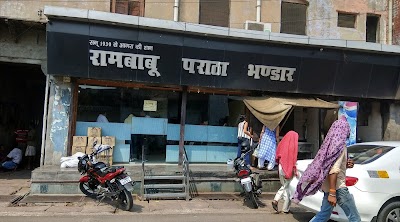
Ram Babu Parantha Bhandar
€Civil Lines
A famous local eatery specializing in massive, shallow-fried flatbreads stuffed with various savory fillings.
Signature — Paneer Parantha (flatbread stuffed with spiced cottage cheese, fried in ghee)
After dark
Nightlife
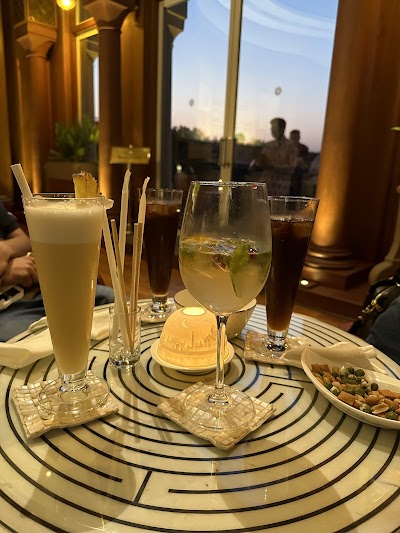
The Bar
Taj East Gate Road (Inside The Oberoi Amarvilas)
It offers the most exclusive drinking experience in Agra, featuring direct, uninterrupted views of the Taj Mahal from classical, wood-paneled interiors.
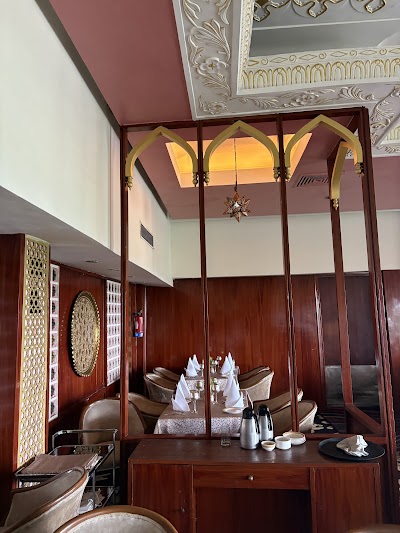
Mughal Bar
Taj Road (Inside Hotel Clarks Shiraz)
A classic rooftop venue that provides elevated views of both the Taj Mahal and Agra Fort in the distance.
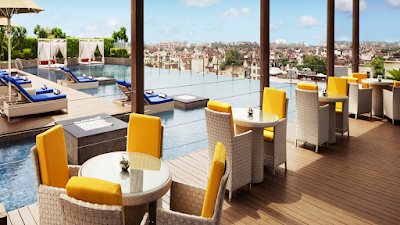
Infini - The Rooftop Bar
Taj East Gate Road (Inside Taj Hotel & Convention Centre)
A modern, stylish rooftop lounge featuring a glass-walled infinity pool and direct views of the Taj Mahal.
Art & history
Culture
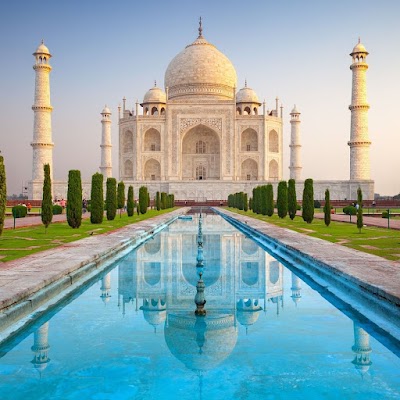
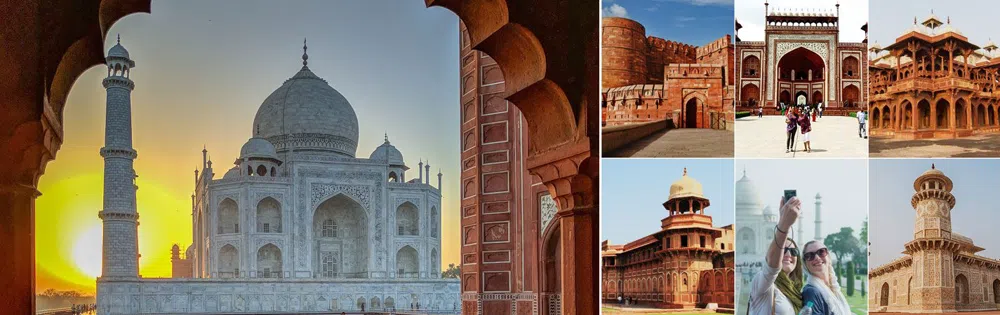
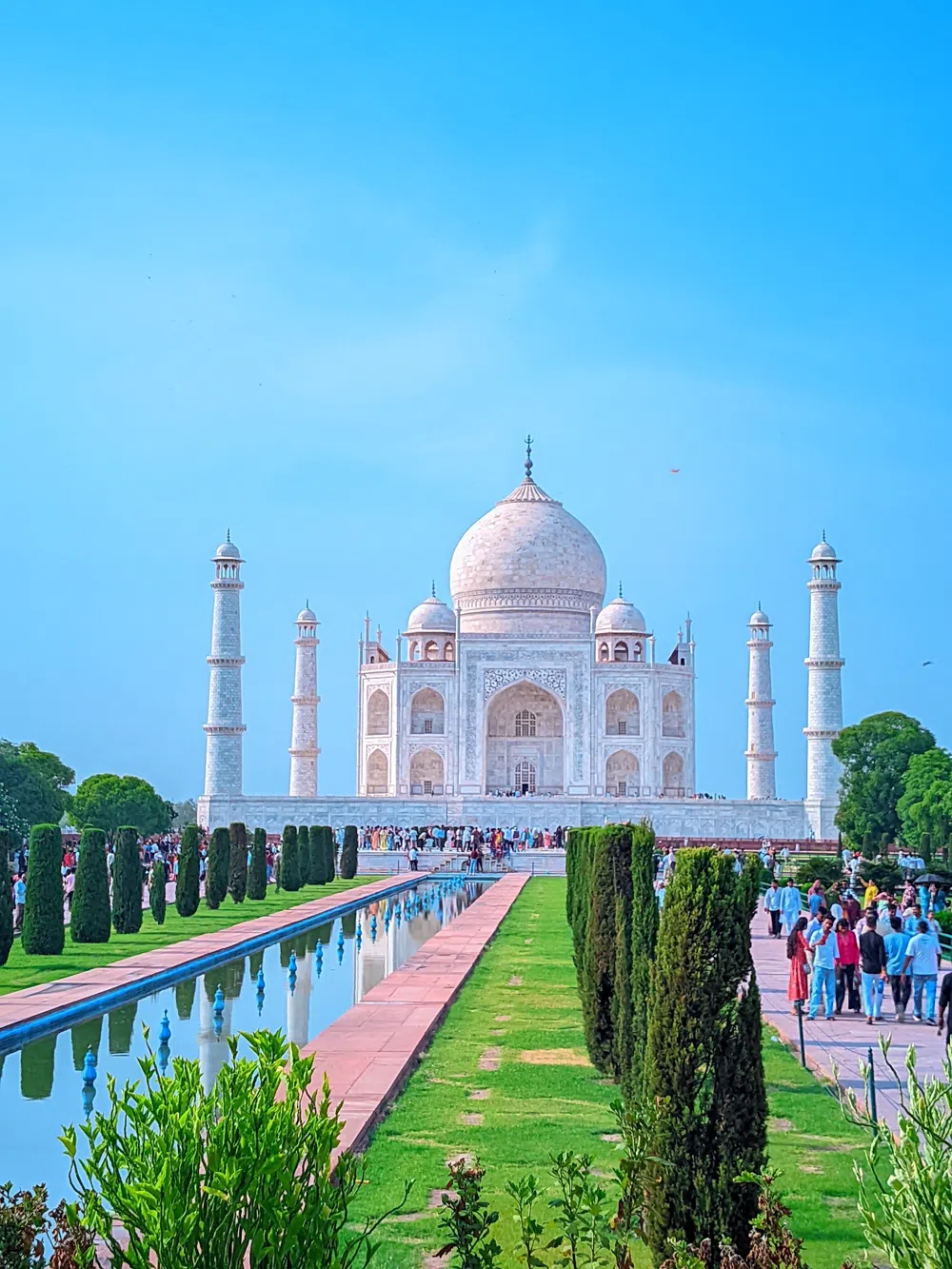
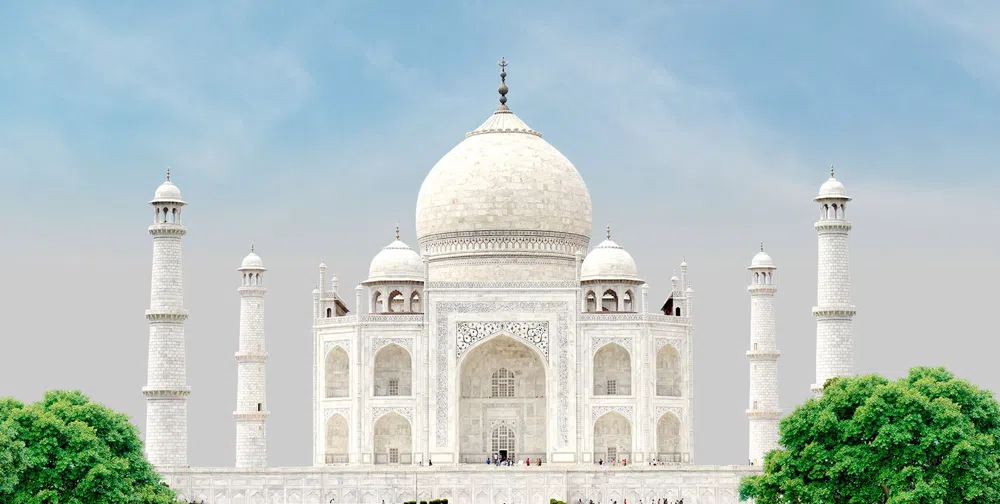
Taj Mahal
Taj Ganj
The world's premier monument to love, constructed from white Makrana marble that changes color depending on the time of day.
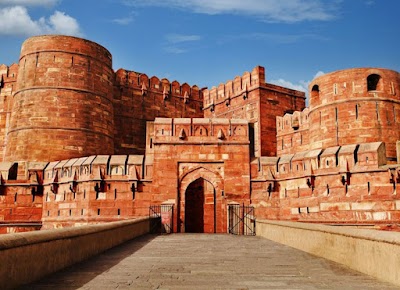
Agra Fort
Rakabganj
A massive, double-walled red sandstone fortress-city containing imperial palaces, audience halls, and mosques.
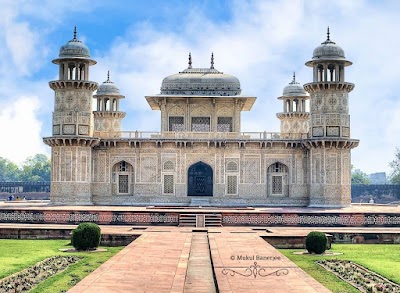
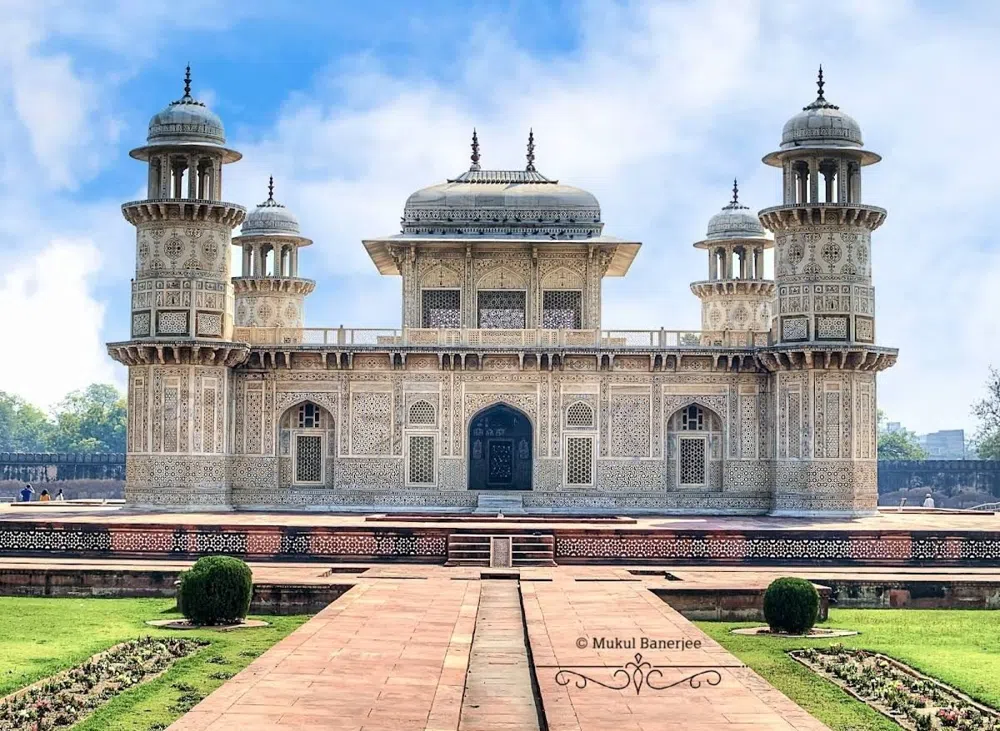
Itimad-ud-Daulah (Baby Taj)
Moti Bagh
The first Mughal structure built entirely of white marble, featuring delicate, precursor inlay work that inspired the Taj Mahal.
Book ahead
Top-rated experiences in Agra

Private Transfer Agra to Delhi
from $48

Delhi Agra Jaipur - 3 Nights 4 Days
from $311

Private Full-Day Sunrise Taj Mahal and Agra City Tour
from $30

Sunrise Taj Mahal Tour With Female Tour Guide
from $160

Saniya's One day tour and Home visiting in Agra
from $107

Taj Mahal & Agra Fort SameDay & Sunrise Tour from Delhi by Car
from $112

All-Inclusive Taj Mahal Sunrise, Agra Fort & Baby Taj Day Tour
from $76

Jodhpur Blue City with Mehrangard Fort Hotel Pickup and Drop
from $40
Prices from Viator; we may earn a commission when you book — at no extra cost to you. Tours are sold and operated by Viator, the merchant of record. Ratings are collected by Viator and Tripadvisor.
Timing
When to visit
Winter (November to February)
Pleasant daytime temperatures make walking viable, though nighttime temperatures drop significantly. Heavy morning fog is common in December and January, occasionally delaying trains and blocking sunrise views of the Taj Mahal.
Summer (March to June)
Punishing heat regularly exceeds 40 degrees Celsius. Sightseeing is only tolerable during the earliest hours of dawn, and dehydration is a constant risk.
Monsoon (July to October)
High humidity and frequent downpours clean the dust from the air and turn the gardens green, but flooded streets make navigation difficult.
What it costs
Budgeting
Logistics
Getting around
From the airport
Kheria Airport is primarily a military base with very limited commercial flights. Most travelers arrive via high-speed trains from Delhi at Agra Cantt Railway Station. Pre-paid taxi booths and auto-rickshaw stands are located directly outside the station exit.
Public transit
Agra lacks a comprehensive metro system. Local transit relies on auto-rickshaws, cycle-rickshaws, and electric rickshaws. Government-run electric buses operate on major arteries but are crowded and challenging for first-time visitors to navigate.
Passes & tickets
There are no unified transit passes. Monument entry tickets are purchased individually, with online bookings offering a minor discount over cash purchases at the gate.
On foot
Low. Outside of the designated vehicle-free zone immediately surrounding the Taj Mahal, streets lack sidewalks, traffic is chaotic, and distances between major sights are too great for walking.
Travel smart
Safety & etiquette
Local etiquette
- •Dress modestly when visiting all monuments and religious sites, ensuring shoulders and knees are covered.
- •Remove your shoes before entering the main mausoleum of the Taj Mahal and any active places of worship.
- •Do not touch or lean against the delicate marble inlay work inside the monuments.
From the ground
Practical tips
1
Buy your Taj Mahal tickets online in advance to bypass the ticket window queues and get a small discount.
2
Enter through the East or West gates at sunrise; the South Gate opens later and is more congested.
3
Hire only official, government-licensed guides who carry photographic ID cards issued by the Ministry of Tourism.
4
Carry a pair of thick socks; you must remove your shoes to walk on the marble plinth of the Taj Mahal, which can get scorching hot or freezing cold.
5
Beware of the 'free taxi' or 'cheap rickshaw' ride that inevitably detours to a high-pressure souvenir shop.
6
Check the train schedule carefully if traveling from Delhi; the Gatimaan Express is the fastest and most reliable option.
Agra FAQs
Is the Taj Mahal closed on any day?
Yes, the Taj Mahal is closed every Friday for general viewing, as it is open only to practicing Muslims attending afternoon prayers.
How many days do I need in Agra?
One to two days is sufficient to see the major monuments, including the Taj Mahal, Agra Fort, and Fatehpur Sikri.
Can I bring a bag inside the Taj Mahal?
Only small clutches or handbags containing essentials are allowed; large backpacks, chargers, tripods, and food are strictly banned and must be left in lockers.
How do I avoid scams in Agra?
Book your monument tickets online, use Uber or Ola for transport, and refuse invitations from guides or drivers to visit 'government-approved' marble emporiums.
Is it safe to drink tap water in Agra?
No, always drink bottled, filtered, or purified water, and avoid ice in budget establishments.