 In this area
The Agra issue
Belanganj & Old City, Agra: where the city still eats and trades before dawn
A walk through Agra’s wholesale belly, where bedai fries by six, spice sacks rise shoulder-high and the old city still runs on trade, not tourism.
By Farhan QureshiTaj marble to Mughal ateliers
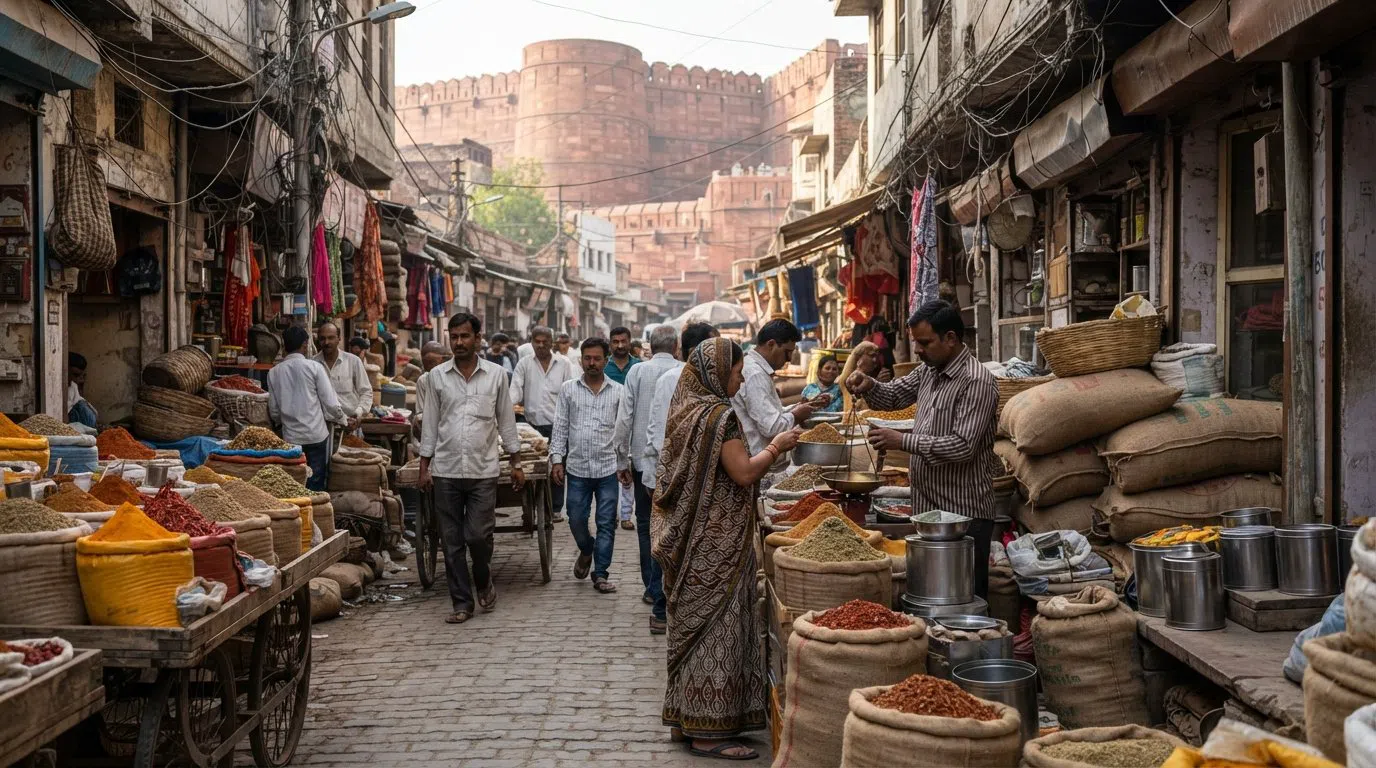
Bhagat Halwai has been frying bedai in the same Belanganj lane since 1795, and that single fact tells you more about this quarter than any polished brochure ever could. The old city here does not perform for visitors. It wakes before them, loud with oil, haggling and temple bells, and gets on with the business of feeding Agra and moving goods through its narrow, stubborn lanes.
What Belanganj & the Old City are known for
This is Agra’s wholesale belly: a place of sacks and scales, of handcarts wedged into impossible gaps, of cycle bells and the hiss of oil from a hundred halwai pans. Belanganj grew up around the railway goods yard — the malgodam where trains once unloaded raw materials and hauled away finished goods — and the trade never really left. That is why the quarter feels less like a heritage district than a working organism, one that still breathes through commerce.
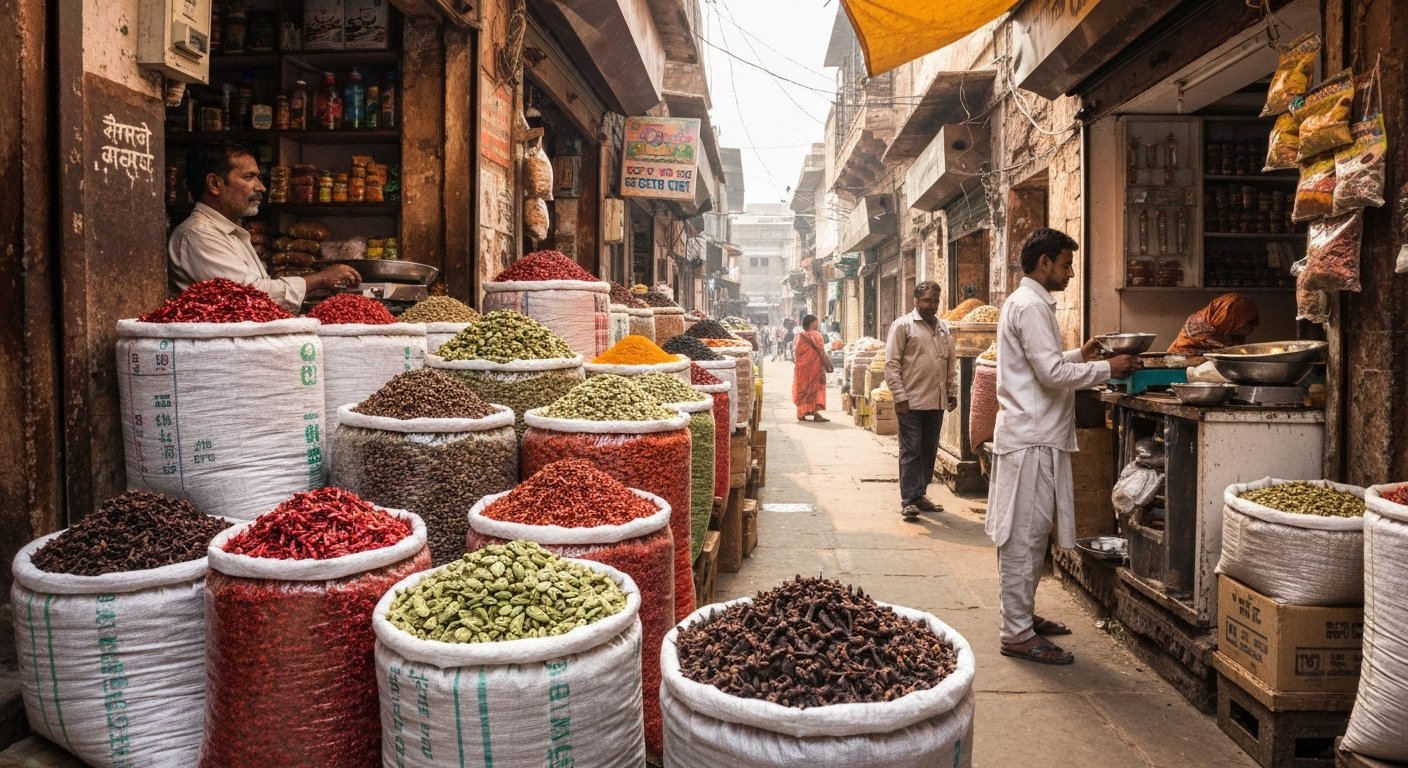
Fan out from Belanganj and the lanes each take on a specialty. Rawatpara is the spice market, where pansari shops pile black pepper, cardamom, cloves, almonds and dried red chilli high enough to look architectural. Hing ki Mandi, once literally the asafoetida market, has long since become India’s largest wholesale shoe hub, all tiny workshops and practical traffic. Behind Jama Masjid, Kinari Bazaar and Subhash Bazaar keep the old wedding economy alive with zardozi, trims, costume jewellery and finery that still moves in bulk. The through-line is simple: people come here to buy and to eat. That is the point. That is the pleasure.
The mood is loud, dense and entirely unbothered by tourists. Mornings are the quarter at full tilt: bedai and jalebi frying by six, spice pansaris weighing out heeng and turmeric, shutters clattering up along Gopal Bazar. By late afternoon the wholesale energy thins, and by nightfall the lanes empty fast. This is a workday district, not an evening one. If you come here looking for a picturesque still life, you will miss the point. If you come for the working city, the one that existed before tour buses learned the route to the Taj, you will get the real thing.
The buildings, too, keep their own counsel. You pass crumbling havelis with carved wooden balconies, and then the pishtaq of Jama Masjid appears framed by wedding-fabric shops. At the edge of it all sits the sandstone bulk of Agra Fort, reminding you that this old commercial quarter was always shadowed by power. It is not pretty in the postcard sense. It is real, and it is the most flavour-packed square kilometre in the city.
Plan your Agra trip
Live prices from our booking partners.
Guests & rooms
Free cancellation on many rooms. We may earn a commission when you book.
Where to eat & drink
Old Agra eats breakfast standing up, and it is glorious. The signature plate is bedai — a crisp, urad-dal-stuffed puri — with fiery aloo sabzi and, crucially, a plate of hot jalebi on the side. The first lesson is to arrive hungry and unhurried. The second is that breakfast here is not a sit-down ritual so much as a street-side choreography: paper plates, quick elbows, tea glasses, another round.
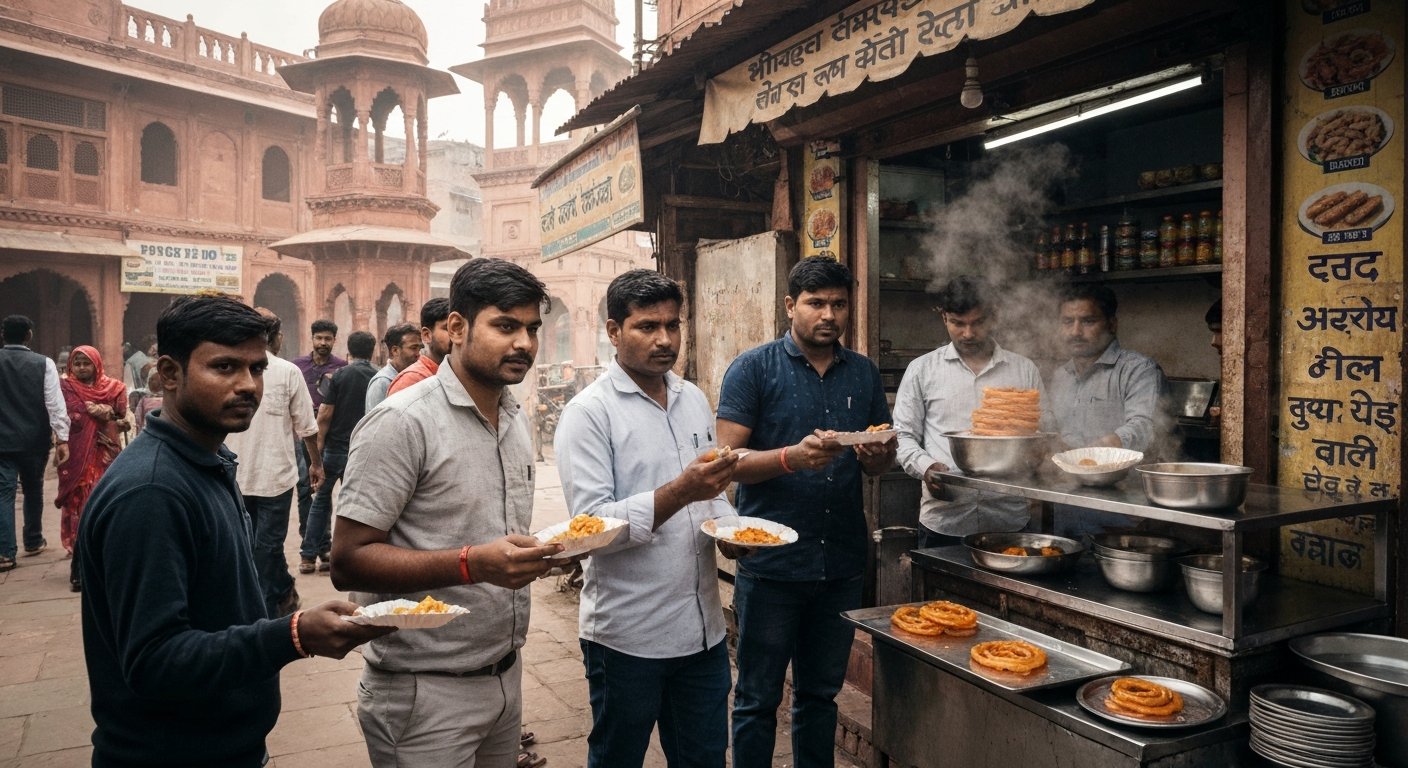
Bhagat Halwai is the oldest name in the game, working a Belanganj corner since 1795, and still drawing a permanent morning scrum for bedai, kachori, rabri and jalebi. There is something deeply satisfying about eating at a place that has outlived empires, railways and branding exercises without losing the basic grammar of a good breakfast. The line outside is part of the experience; so is the smell of hot oil and the speed with which the plates disappear.
A few streets on, Gopaldas Pethe Wale on Gopal Bazar is the local institution for Agra’s other obsessions: petha and dalmoth. The petha here is the translucent ash-gourd sweet the city made famous, while the dalmoth is the black-pepper-forward namkeen that belongs to Agra as surely as the monuments do. Buy a box to take home, or better, two: one for the journey, one for the people you will regret not feeding.
For a heavier sit-down, Ram Babu Paratha Bhandar on Belanganj Road has been frying stuffed parathas in pure ghee since 1930, each served with unlimited dal and sabzi. It is the kind of place where appetite becomes policy. You do not graze here. You commit. The parathas arrive rich and blistered, the accompaniments keep coming, and the room does not care whether you are a local, a pilgrim or a celebrity chef who has made the queue.
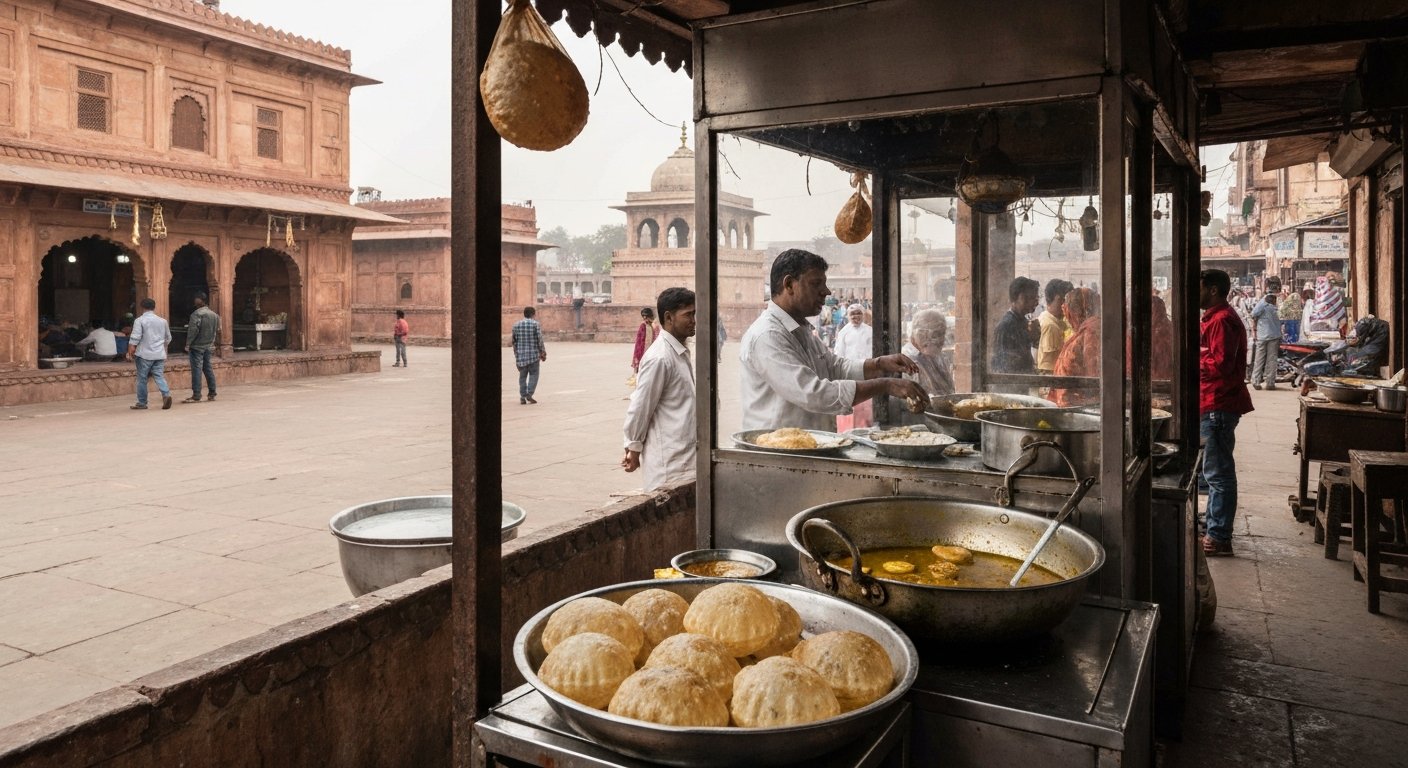
Near Jama Masjid, Chimman Lal Puri Wale has done one thing since 1840: puri with an asafoetida-laced aloo sabzi, fried in real desi ghee, from a shop with room for barely six people. That tiny footprint is part of the charm. So is the fact that it has survived by doing one job very well for generations. It is the sort of counter that makes you understand why old-city food is not a trend here but a continuity.
Panchhi Petha near Noori Darwaza is the original 1926 petha shop, before the branded outlets multiplied across the city. If you want the sweet at source, this is the stop. Deviram Sweets at Pratap Pura is another name locals rate highly for kachori, bedai and hot jalebi. Together, these shops sketch the edible map of the old city: sweet, fried, spiced, always best in the morning, always better with tea.
Drinks here mean sweet chai and lassi, not alcohol. This is a dry-by-nature district, so save the beer for your Tajganj rooftop. In Belanganj and the old city, the beverage of record is whatever helps you make room for one more plate.
Things to do / what to see
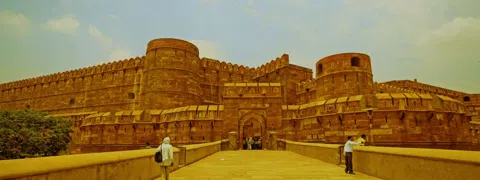
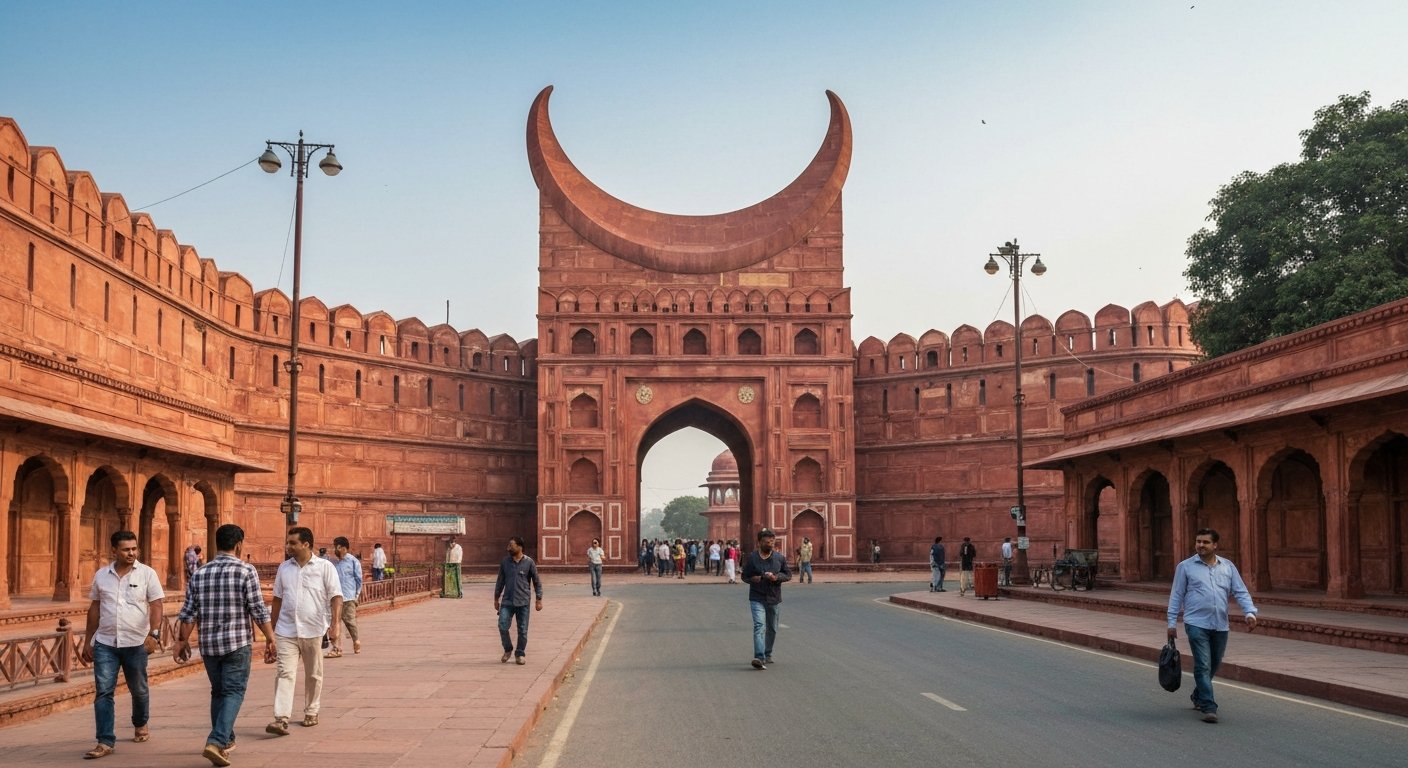
The heavyweight sight at the quarter’s edge is Agra Fort, the crescent-shaped red-sandstone citadel Akbar rebuilt from 1573 and later emperors filled with palaces — Jahangiri Mahal, the Diwan-i-Am and Shah Jahan’s white-marble Moti Masjid. Entry is via the Amar Singh Gate, and the fort opens sunrise to sunset daily. It is a far calmer monument than the Taj, which feels almost like the point: here the city’s imperial history is not stage-managed for the same audience, and you can still feel the scale of it without being swept along by a crowd.
Deeper into the lanes, Jama Masjid deserves your time not just as architecture but as evidence. Built by Shah Jahan’s eldest daughter Jahanara between 1643 and 1648, it stands with three bulbous domes in herringbone red-and-white stone, its Persian inscriptions echoing the Taj. Yet the mosque is now hemmed in by the bazaar rather than the grand Tripolia Chowk that once stood between it and the Fort; the British cleared that in the 1870s to lay the railway and Agra Fort station. That is the old city in one glance: Mughal geometry, colonial interruption, present-day commerce pressing in from all sides.
For a quieter, purely local moment, step into Shri Mankameshwar Mandir at Rawatpara, reckoned Agra’s oldest temple, its Shiva linga capped in silver. It draws a steady stream of devotees, especially on Mondays. The temple does not compete with the surrounding market; it exists inside it, a devotional current running through the same lanes where traders weigh spice and bargain over cloth.
The single best way to take all of this in is a guided old-city heritage or food walk. Several run from around ₹700 to ₹3,000 per person, and the value is not just in access but in translation. These walks string the mosque, the spice lanes, a temple and a run of sweet stops into two or three hours, and more importantly, they give you someone who can read the chaos for you. In a quarter this dense, context is not a luxury. It is the difference between wandering and understanding.
Don’t miss in Belanganj & Old City
Jama Masjid, a striking 17th-century mosque with red and white striped domes
Rawatpara Spice Market, an intense sensory experience of bulk spices
Johri Bazar, the traditional market for jewelry and textiles
Shopping
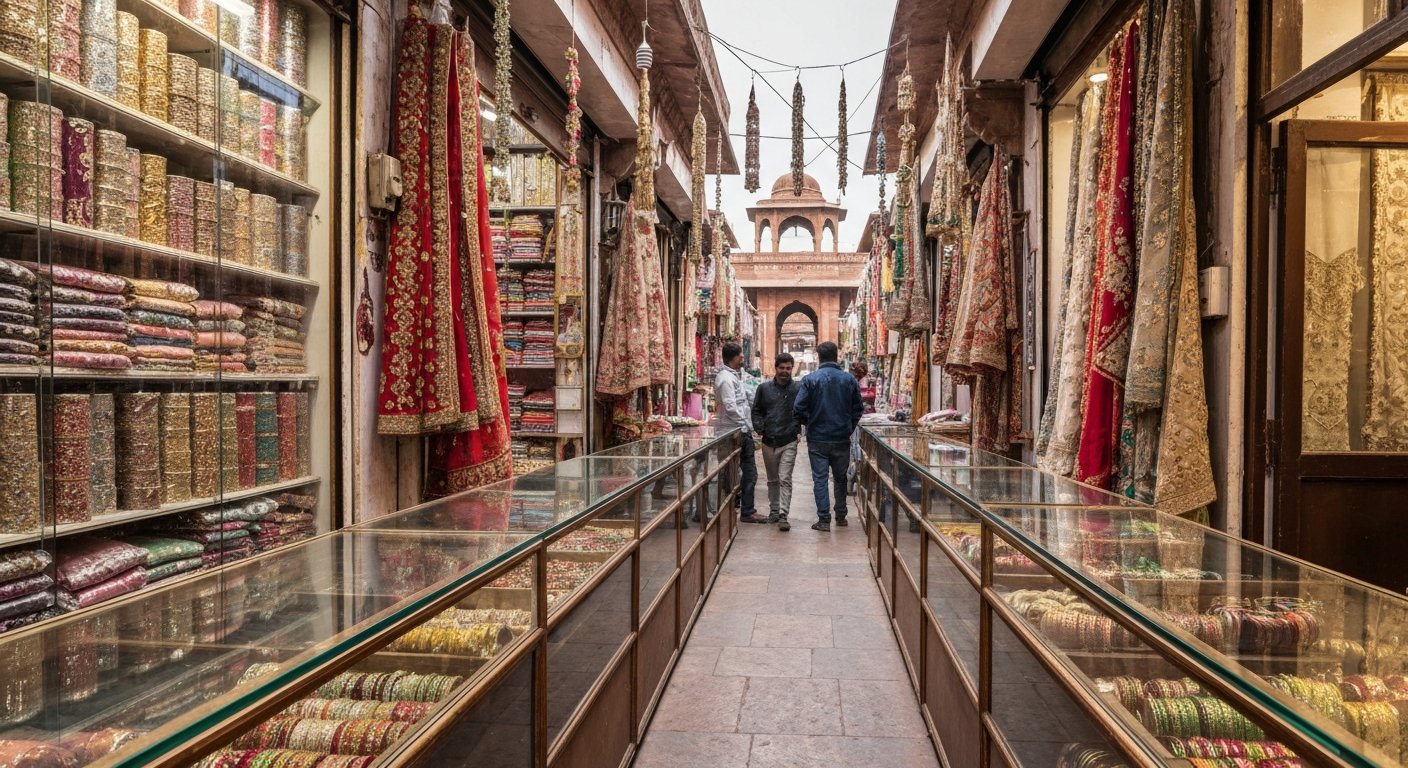
Shopping here is a spectator sport as much as a spending one. Kinari Bazaar, the warren behind Jama Masjid, has traded wedding finery for some 400 years: sarees, lehengas, sherwanis, glittering trims, bangles and costume jewellery. It is a lane system built on sparkle and repetition, on the old logic that celebration requires supply. Subhash Bazaar in Halwai Gali covers silks and zardozi embroidery, keeping the city’s old textile craft alive in a way that still feels practical rather than museum-like.
Rawatpara is where locals stock their kitchens. Whole spices, dried fruit and nuts are sold by weight at the pansari shops, and it is a good place to pick up saffron, cardamom or a masala mix to carry home. Hing ki Mandi is the shoe district, with thousands of workshops and outlets; it is better for a wander and wholesale prices than for one-off tourist buys. For edible souvenirs, the sweet-and-namkeen shops win every time. A box of petha and dalmoth from Gopaldas or Panchhi travels well and beats anything you will find near the Taj gates.
Bargaining is expected in the fabric and jewellery lanes — reckon on knocking off 10 to 20 percent — while in the spice and wholesale markets the margins are thinner, more like 5 to 10 percent or a rounding-down on bulk. Come with small cash; many stalls do not take cards. And go in the morning, when everything is open and freshly stocked, because this district does not linger for browsers.
Where to stay in Belanganj & the Old City
Honest answer: you do not sleep here. Belanganj and the old-city lanes are a workday commercial and residential quarter with no meaningful cluster of tourist hotels, and the noise, crowds and dawn market activity would make for a rough night anyway. Treat it as a place to visit — ideally on a morning food or heritage walk — and base yourself where the beds are.
For walking distance to the Taj at dawn, stay in Tajganj by the South Gate. For comfort, five-stars and reliable restaurants, choose Fatehabad Road or Taj East Gate Road. For something more local without the old-city chaos, the leafy Cantonment (Sadar Bazar) area sits handily between the Fort and the station. Any of these is a short tuk-tuk hop from Belanganj, so you can eat breakfast in the old city and be back in a proper room by mid-morning.
Hotels in Belanganj & Old City
Our best-rated stays in this neighbourhood. Prices are approximate “from” rates — confirmed at the provider when you continue. We may earn a commission if you book through our partners — at no extra cost to you.
In this area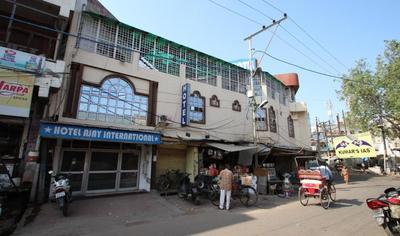 In this area
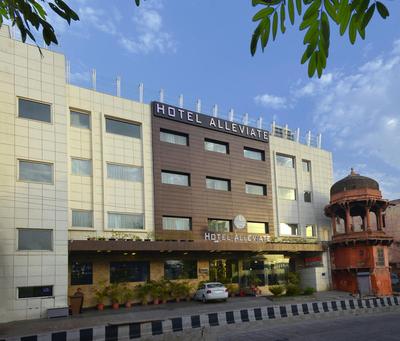 In this area
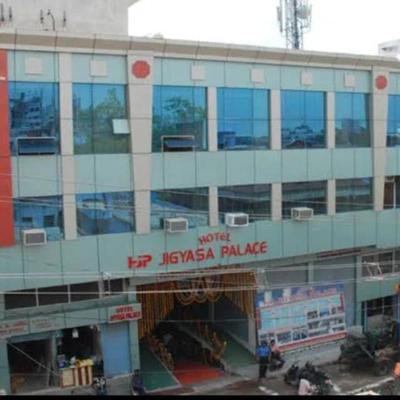 In this area
Belanganj & Old City
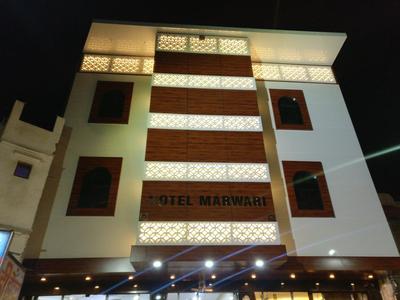
Hotel Jigyasa By Mayda Hospitality Pvt. Ltd.
7.0· 269 reviews
approx. from£18 / nightSee prices
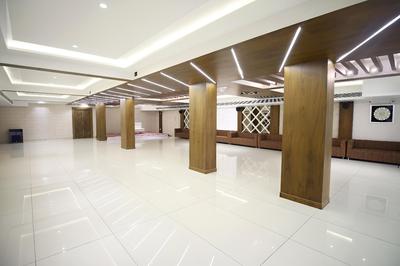 In this area
 In this area
 In this area
Getting around
The old city is best on foot. The lanes are too narrow and too jammed for a car to be anything but a liability, and much of the pleasure is in wandering. Agra Fort railway station sits right on the quarter’s northern edge, so trains drop you almost into it; from Agra Cantt, the main long-distance station, it is a 15 to 20 minute auto-rickshaw ride. Tuk-tuks and e-rickshaws are the sane way in and out: agree the fare before you climb in, ask them to drop you at a landmark — Jama Masjid, the Fort’s Amar Singh Gate, or Belanganj crossing — and then walk.
The Taj Mahal is roughly a 10 to 15 minute ride south. For the airport, Agra’s Kheria or Pandit Deen Dayal Upadhyay airport, with limited flights, budget 30 to 40 minutes. Google Maps helps to the edge of the lanes but gives up inside the warren, which is one more argument for a local guide. In a place like this, navigation is not really about coordinates. It is about reading the market, the crowd and the smell of breakfast before the lane turns.
Gallery
Belanganj & Old City in pictures
Belanganj & Old City — your questions
Is Belanganj & the Old City a good area to stay in Agra?
No. It’s a wholesale market and residential quarter with essentially no tourist hotels, plus crowds, noise and early-morning market activity. Come to eat and explore, then stay in Tajganj, Fatehabad Road, Taj East Gate Road or the Cantonment, all a short tuk-tuk away.
What’s the best thing to eat in Old Agra?
Breakfast: bedai — a crisp urad-dal-stuffed puri — with spicy aloo sabzi and hot jalebi on the side. Bhagat Halwai in Belanganj and Chimman Lal Puri Wale near Jama Masjid are the classic stops, and you should also take home petha and dalmoth from Gopaldas or Panchhi.
Is it safe to walk around Agra’s old city, and should I take a guide?
By day it’s busy but generally safe; keep your bag zipped and your phone secure in the crush, and don’t linger after dark, when the lanes empty out. A guided heritage or food walk is genuinely worth it here, because the lanes are a maze and a guide can read both the history and the best stalls.
What’s the best time to visit Belanganj and the old-city markets?
Go in the morning. That’s when bedai is frying, the spice shops are freshly stocked and the bazaar is at full tilt. By late afternoon the energy thins, and after dark the lanes empty fast.